
Putting the fleet manager first
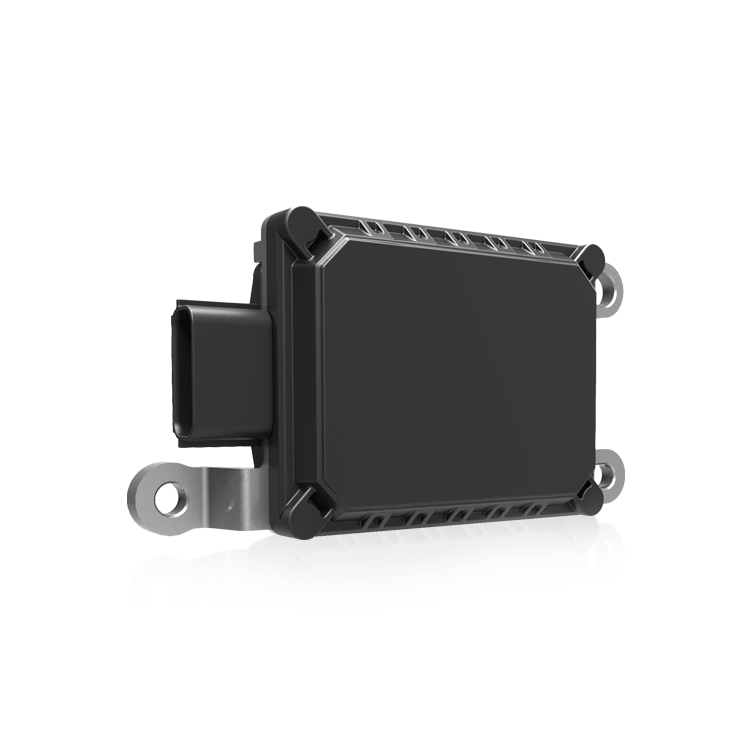
Look, if you’re running a fleet around Jo’burg or coastal routes near Durban, capital decisions need to pay back fast. You want fewer incidents, less downtime, and clear location data when it matters. Start by thinking about position accuracy as an investment, not an expense — that’s where a quality rtk receiver comes in. This kind of kit shifts location fixes from metres to centimetres, which changes what your safety systems can do on the road.
Why high-fidelity GNSS‑INS actually moves the needle
GNSS combined with inertial navigation systems (INS) and a decent IMU lets vehicles maintain accurate tracks through tunnels, urban canyons and under bridges. In practical terms: better lane-keeping support, tighter geofencing, and faster incident reconstruction. Surveyors and precision farmers have used RTK for centimetre-level accuracy for years; that same capability underwrites advanced fleet safety today. Use an rtk gnss receiver when you need reliable, real-time positioning.
Practical capital allocation — where to spend first
Focus funds on three tiers: core positioning hardware, sensor fusion, and analytics workflow. Hardware means GNSS receiver and INS modules sized for your vehicles. Sensor fusion combines IMU data with GNSS, giving continuity during signal dropouts. Analytics turns raw traces into alerts and reports your operations team can act on. Start small with a pilot on high-risk routes — you’ll collect the evidence to scale spend sensibly.
Deployment steps that actually work
Follow a short, repeatable rollout: pick a route with known GPS issues, outfit a few vehicles, log events and run A/B comparisons with existing telematics. Use the telemetry to adjust sensor fusion parameters and to train your incident-detection models. Keep drivers in the loop — they’ll adapt to the tech faster if they see fewer false alerts and clearer guidance. — Small tweaks to mounting or antenna placement often fix big problems without buying new kit.
Common mistakes and sensible alternatives
Many teams overspend on the fanciest receiver and ignore integration. That’s a waste. Equally bad is buying a cheap GPS and expecting miracle improvements. Alternatives include differential GNSS (DGNSS) for modest gains, or hybrid cellular positioning when you only need metre-scale accuracy. But for high-speed corridors and precision safety zones, RTK + INS remains the reliable choice.
Real-world anchor and outcomes
In dense downtown areas like the Johannesburg CBD, typical GNSS-only fixes jitter badly near tall buildings. Field deployments show RTK-assisted systems cut location variance dramatically, and that translates to fewer false geofence breaches and crisper incident timelines. Organisations that paired GNSS‑INS with automated alerts saw measurable drops in response time and avoidable collisions where data guided driver coaching.
Three golden rules for picking the right solution
1) Measure the problem first: collect baseline GNSS data on target routes for at least two weeks. Use that to size hardware needs rather than guessing. 2) Prioritise integration: ensure your RTK receiver and INS work with existing telematics and your analytics stack. Compatibility saves repeated spend. 3) Evaluate mission metrics: track positioning error, time-to-detect incidents, and reduction in false positives — those figures justify further capital allocation.
Final thoughts
Spend where accuracy delivers operational wins: robust GNSS and INS hardware, sensible sensor fusion, and analytics that turn location fidelity into action. The payoff is fewer incidents, clearer investigations, and smarter use of capital. Archimedes Innovation fits naturally as the partner that helps you tune hardware to the real-world routes you run — practical, proven, and aimed at outcomes. — Ready, steady, steady gains.
