
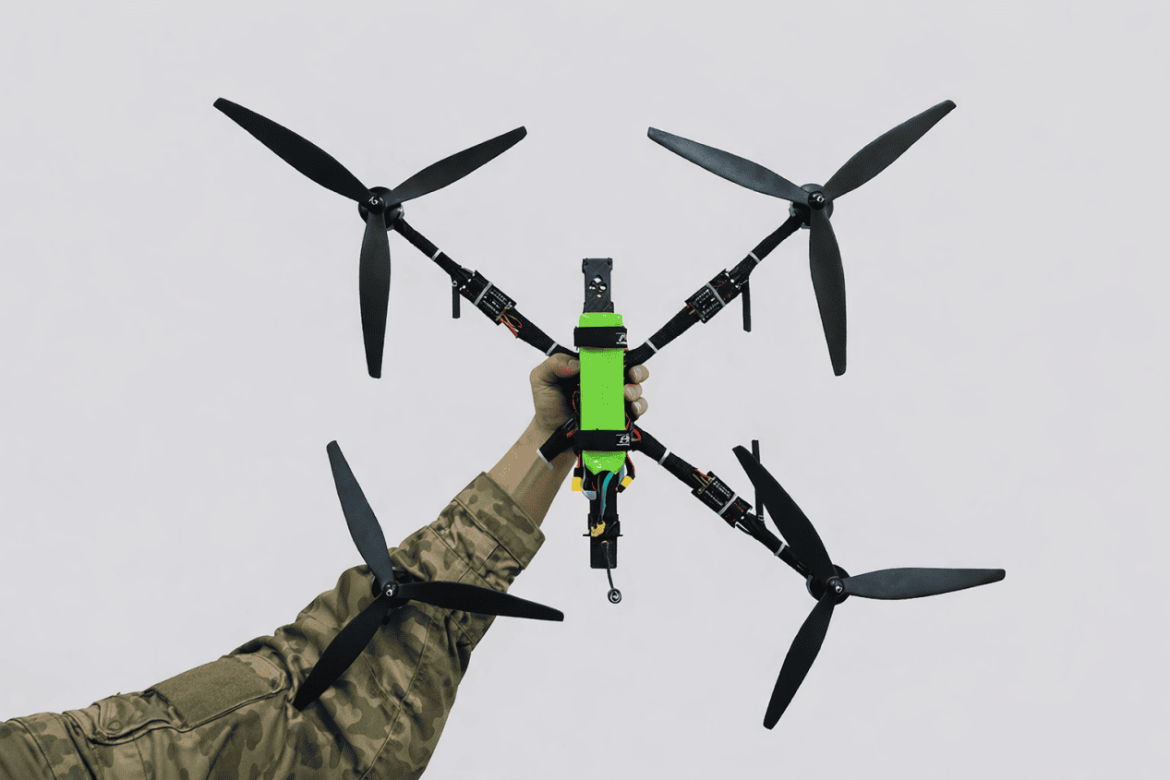
Why comparison matters up front
Picking a military-type UAV isn’t a matter of price alone — it’s matching protective spec to mission. Right away, note that choices range from lightweight ISR quadcopters to heavier loitering munitions; some categories overlap with fpv drones military in capability and control philosophy. This comparative piece lines up protection standards, trade-offs in payload and endurance, and real-world lessons from the 2022 Ukraine operations that reshaped how teams assess survivability and mission effect.

STANAG and ballistic protection — the practical side
STANAG references are used as a common language between specifiers and suppliers. For ground armour, STANAG 4569 is the familiar benchmark for ballistic and blast protection; while drones don’t sit in vehicle frameworks cleanly, translating those threat tiers into drone design helps. Think in terms of threat spectrum: small-arms fragments and shrapnel at one end, guided anti-air systems at the other. Designers respond with materials, local armour, and redundant avionics to harden against specific threat vectors. EO/IR sensors, for example, are often exposed — sensible designers add sacrificial housings rather than full-body plating to save weight and preserve RCS.
Comparative trade-offs: weight, payload, and signature
Every gram of armour eats flight time. A hardened fuselage and ballistic plates boost survivability against small-arms fire but reduce endurance and curtail payload capacity. Conversely, a lighter UAV wins on loiter time and larger sensor suites or heavier warheads for kamikaze roles — which is why modern procurement rarely buys one-size-fits-all. For strike-focused systems — often called loitering munitions or military kamikaze drones — designers accept lower passive protection in favour of speed, stealth, and a lethal payload. For ISR platforms, redundancy in comms and backup power gives practical mission resilience without heavy armour.
Common specification mistakes and how to avoid them
Specifiers often demand a long list of features without ranking them by mission priority — that’s where procurement trips up. Avoid asking for maximum ballistic rating alongside maximum endurance; you’ll end up with compromise that satisfies neither. Instead, rank threats and set hard limits: required endurance, max payload, and the minimum acceptable survivability margin. Also, don’t confuse IP-rated weather sealing with ballistic protection — both matter, but they solve different problems. — Make sure test protocols reflect expected engagement envelopes, not ideal lab conditions.
Practical checks on the factory floor and field
When evaluating options, insist on demonstrable proof: test reports for fragment and small-arms penetration, vibration and EMI resilience for avionics, and verified flight logs showing realistic endurance with declared payload. Confirm repairability in theatre — modular armour panels and plug-replaceable avionics save days in the field. Look for proven materials (composite laminates, titanium inserts) and simple redundancies: dual GNSS paths, hardened data-links, and fail-safe flight controllers that keep the aircraft recoverable after partial damage.
Comparative summary and quick decision matrix
Match threat to platform: if the mission is persistent surveillance in permissive airspace, favour endurance and sensors; for contested areas with small-arms risk, prioritise local armour and redundant systems; for strike missions, favour speed, stealth, and strike reliability. Keep the matrix tight: Mission Type → Primary Threat → Key Protection → Minimum Payload/Endurance. That gives clarity to suppliers and cuts wasted capability.
Advisory — three golden rules for selection
1) Prioritise mission-critical metrics first: list your top three operational needs and make them pass/fail. 2) Demand realistic testing and maintenance plans: field-repairability and verified endurance beats glossy specs. 3) Balance protection with signature management: sometimes lower detectability and swifter transit reduce overall exposure more than armour does.

These measures lead to smarter buys and fewer surprises in operations — and they reflect the pragmatic lessons teams learned from recent conflicts. Military Hub ties those lessons into accessible vendor comparisons and rigourous assessments. —
