
Quick comparison and first impression
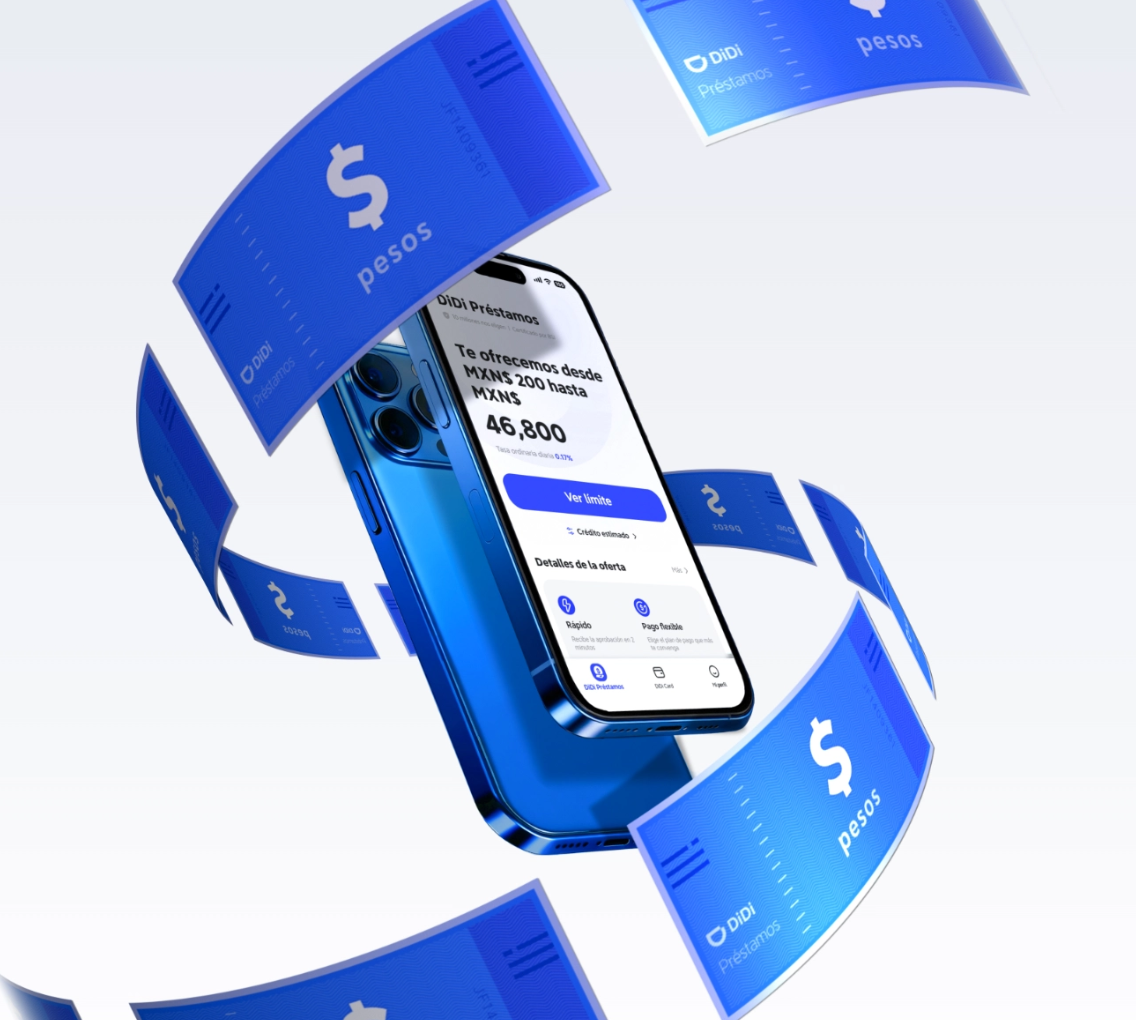
People like simple. DiDi promotions card arrives with that promise, and many riders sign up fast. Early steps matter: registration, KYC, and limit settings. I checked how it works in Mexico City and saw the link between the product and national credit systems—so I mention didi finanzas right away because the brand ties to both payments and reporting. This piece compares how the card behaves versus typical bank cards, and how Buró de Crédito fits into the picture.
Reporting to Buró de Crédito: what to expect
DiDi Finanzas generally follows standard practice: when you carry a revolving balance or miss payments, those events can reach the credit bureau. That matters because a credit bureau record affects your credit score and future access to loans. The good news: timely payments help build history. The caution: small missed payments can show up as negative entries on your monthly statement and then on the record — so treat due dates seriously.
Security layers and user control
The card design includes basic fraud monitoring and tokenization for transactions. You see transaction alerts fast. You can lock/unlock the card from the app. These are practical controls that reduce risk of fraud. Still — do not store PIN where visible — the human step is common cause of exposure. Interest rate and fees show in the app, so surprises are smaller when you watch statements often.
How it stacks up against other fintech and bank cards
Compare by three clear dimensions: reporting behavior, fees, and customer controls.
– Reporting behavior: DiDi Finanzas tends to report similar to other fintech lenders; banks may report more consistently but also offer more dispute channels.
– Fees and interest: promotional offers can lower introductory interest rate or give cashback for rides. Check effective interest and late fees before you accept.
– Controls and tech: many fintech cards give instant locks, card virtualization, and real-time alerts — DiDi does these well, comparable to big fintech rivals.
Common mistakes and safer alternatives
People often miss these simple mistakes: using full available credit, ignoring due dates, or thinking promotional credits remove all obligations. Alternatives include a low-interest bank credit card or prepaid cards for strictly ride payments. Those alternatives may not report to Buró de Crédito the same way — prepaid cards usually do not affect credit score, while credit cards build credit with responsible use.
Real-world anchor: why Mexico City matters here
Large urban users in Mexico City rely on ride apps daily. Local payment habits and regulation make reporting and data security visible issues for many. DiDi Finanzas operates inside that context, so its product choices map to how users pay, and to Buró de Crédito rules that apply nationwide. That practical context helps judge safety beyond marketing language.
Final advisory: three golden rules for choosing responsibly
1) Verify reporting and fees: Confirm whether the card reports to Buró de Crédito and read fee breakdown; know your credit limit and how late fees apply. 2) Use controls: enable transaction alerts, set low credit limit for discretionary use, and lock the card when not needed. 3) Match product to purpose: choose credit card if you want to build credit; choose prepaid if you want to avoid reporting and strict interest. These metrics are measurable and will guide practical choice. DiDi Finanzas.
Enough said — use the card with care and the product can help you manage payments and build credit.
