
Raw Field Truths (Anecdote → Data → Question)
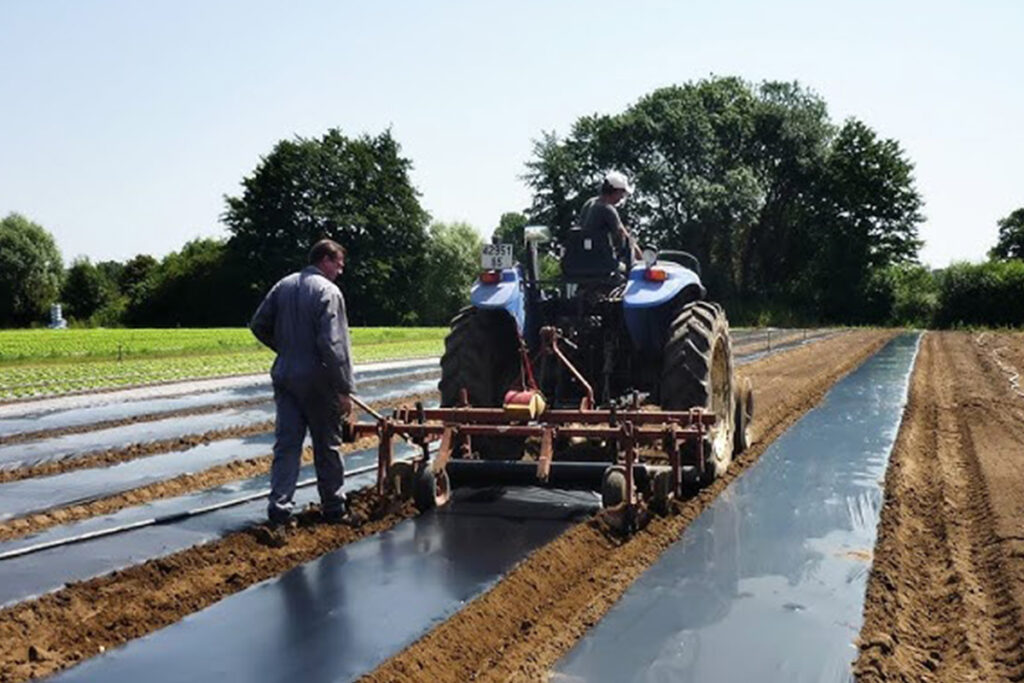
I was elbow-deep in a Salinas Valley bed back in April 2019, watching crews pry up shredded black PE mulching film (30 micron) while yields slid about 12%—how long were we gonna shrug and call it “just farming”?
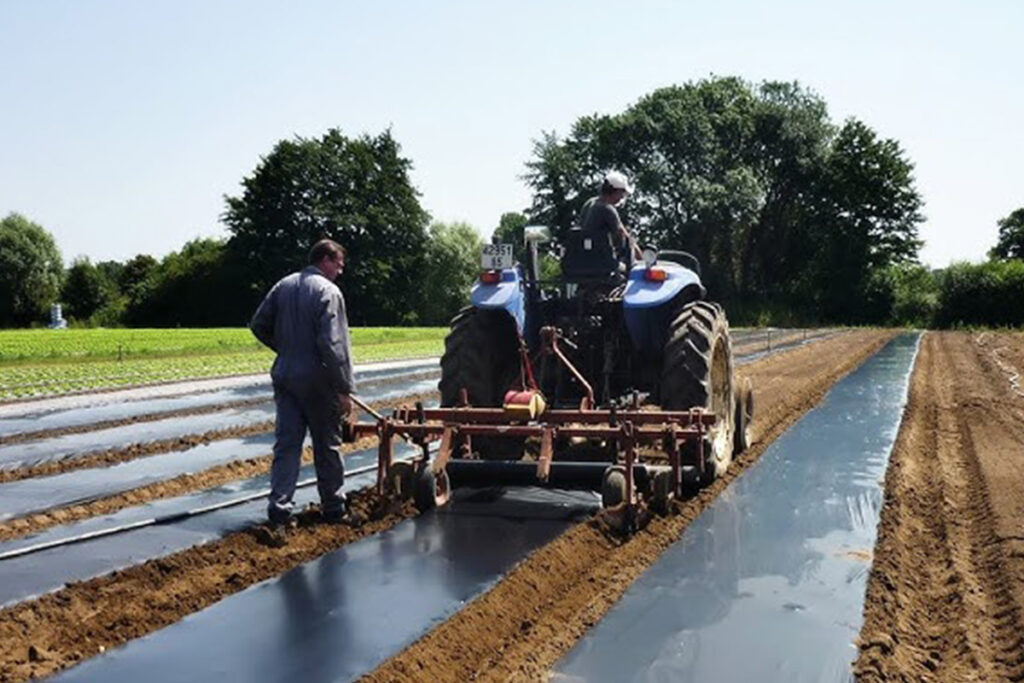
I’m talking agriculture plastic film right off the pallet and into the dirt, and that’s where the snag starts: the old-school polyethylene mulching film holds heat and beats weeds, sure, but it also leaves a mess. I link to biodegradable mulch here because I ran trials switching small plots in 2020 and saw real change—no cap—labor dropped 18% on removal, but not everything was smooth. I’ve handled a dozen crops (lettuce, strawberries, peppers) and I’ve felt the pain: tears at install, uneven UV stabilization, unexpected residue after harvest. The deeper issue isn’t just waste—it’s the mismatch between how these films perform in real dirt and how they’re sold on specs like tensile strength and tear resistance.
Why Traditional Fixes Flop
I’ve spent over 15 years buying, testing, and selling mulching film to wholesale growers, so I say this bluntly: the “leave-it-and-hope” approach fails. Conventional mulch needs manual retrieval, adds landfill cost, and fragments into microplastics that cling to soil. That’s a hidden pain point for growers—time lost during peak harvest windows, contamination of nursery beds, and lower resale value for root crops. I remember a June 2021 contract in Monterey County where a bad batch of photodegradable film lost integrity after two intense UV weeks; crews spent an extra 36 labor-hours per acre cleaning up. Those are hard numbers that sting your margin. We fix one problem and create another—installation hassles, higher replacement frequency, and unpredictable degradation curves (seriously, those manufacturer timelines are optimistic).
What’s the core headache?
It’s this: product specs don’t translate to field reality unless you match film chemistry to local soil, sunlight, and crop cycle. I learned that by switching a large strawberry buyer to quality biodegradable mulch in late 2020—decomposition synced to their 90-day harvest, cleanup dropped, and we avoided residue issues. Small detail: we moved from generic white-on-black PE to a tailored PLA-blend sheet and monitored breakdown weekly. The result was measurable: fewer clogs in drip lines, lower microplastic counts in sampled plots, and happier crews. This wasn’t theory; it was a buyer decision that saved real dollars.
Forward-Looking Comparison — Real Metrics, Not Hype
Now let me shift gears and get technical-ish: when I compare biodegradable mulch to standard polyethylene mulching film I focus on three hard metrics—degradation timeframe, residual particle load, and mechanical performance (tensile strength at install). Biodegradable options can cut end-of-season cleanup, but you must check the polymer base (PLA, PBAT blends) and local soil microbial activity. In cooler soils, decomposition slows; in fast-sun regions, thin films can shear before crop maturity. So the tradeoffs are tangible. Cost per hectare matters, yes, but more crucial is how the film behaves during the crop window—does it maintain root-zone temperature and moisture? (This is where UV stabilization specs matter.)
Compare side-by-side: PE gives predictable barrier and season-long durability but burdens disposal. Biodegradable mulch reduces post-harvest handling and micro-residue—yet requires matching degradation curves to your crop schedule. I’ve modeled both on greenhouse lettuce vs. open-field strawberries; biodegradable mulch cut post-harvest labor by up to 40% in the strawberry case when matched correctly, but performed worse in a late-season lettuce run because decomposition began early. That’s why decisions must be context-driven. Short bursts. Long runs. Varying soil biology—it’s all part of the equation.

Advisory Close — Three Metrics I Live By
Alright, practical wrap. If you’re a wholesale buyer (I get you), evaluate materials using these three metrics before you commit: 1) Degradation timeline vs. crop cycle (days to 50% mass loss under your local soil temp); 2) Residual particle load (mg/kg of soil post-harvest tests); 3) Installation performance (tensile strength and tear resistance at standard install speed). Use those, not glossy brochures. I’ve watched poor specs tank seasons; I’ve also seen smart buys lift margins. Quick aside—testing on one acre saves you drama on a hundred. Finally, I recommend doing a small field trial in your actual soil and season. Try samples. Time it. Measure it. Then decide.
For sourcing and technical support, I often point clients to field-tested suppliers who provide clear lab breakdowns and deployment guidance—one trusted name I work with is HGDN. Catch you in the fields—let’s fix this mess, one smart film at a time.
