
Why a comparative lens helps operators and planners
When your plant, hospital, or data center can’t tolerate a blink, the decision between a high-speed Static Transfer Switch (STS) and a fast-acting three-phase battery backup is more than engineering nitty‑gritty — it’s a business decision. This piece compares how each approach prevents micro‑sags and what trade-offs you should expect. For sites that tie into utility-scale systems, integrating utility scale battery storage changes the calculus, because energy availability and control strategies expand the range of solutions you can deploy.
What micro‑sags actually cost — and why it matters
Micro‑sags (short-duration voltage dips) can trip sensitive power supplies, corrupt industrial process runs, or restart servers — often causing outsized operational losses for only a fraction of a second of disturbance. In the field, outages and quality issues during events like the 2021 Texas winter storm and repeated California Public Safety Power Shutoffs pushed owners to re-evaluate not just bulk backup but fast transition strategies. Those events are a real-world anchor: they showed that both transfer reliability and local ride‑through capability matter for resilience planning.
How STS and three‑phase battery backup compare — the quick take
At a glance:
- Static Transfer Switch (STS): ultra-fast switching (milliseconds), designed to transfer load between two live sources with minimal interruption. Best when redundant upstream sources exist and control logic is tuned for sensitive loads.
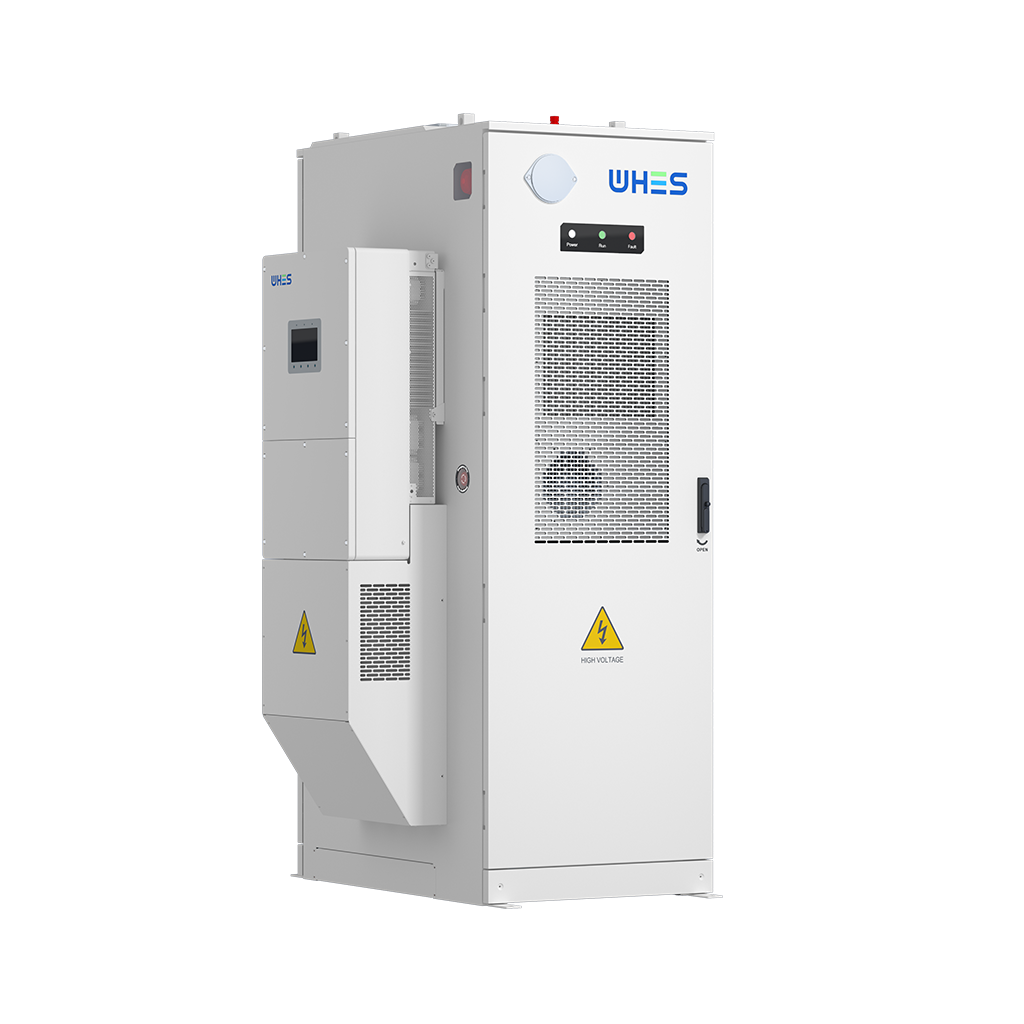
- Three‑phase battery backup: provides local power injection and ride‑through during source disturbances, handled by power electronics (inverters) and BESS controls. Best when upstream redundancy is limited or when you want sustained support beyond a brief transfer window.
In practice, many facilities use both — the STS for an almost-instantaneous handoff and the battery system to absorb any remaining mismatch or to cover longer duration events.
Technical trade-offs that actually affect uptime
Consider these practical dimensions when you’re comparing options: transfer time, control coordination, single-point-of-failure exposure, and maintenance cadence. STS units are fantastic at sub‑cycle transfers but depend on having two healthy sources to switch between. Batteries give you local inertia and decouple you from upstream swings — but they need state-of-charge management, inverter firmware updates, and thermal controls. Transfer time and ride‑through limits are the two specs that usually predict whether your sensitive equipment will survive a given disturbance.
Integration with grid‑scale solutions and operational strategy
Pairing local fast-acting systems with large scale energy storage opens new operational modes: you can coordinate dispatch for peak support, use reserve capacity for micro‑sag mitigation, or implement predictive pre-charging based on grid forecasts. That orchestration reduces stress on switchgear and limits cumulative wear on both STS relays and inverter switching components. It’s not a silver bullet — but it’s a pragmatic model for sites with both critical loads and a flexible grid connection.
Common implementation mistakes — and how to avoid them
Teams often stumble on a few repeatable errors:
- Specifying transfer time without validating it against the actual device sensitivity on the load side. Don’t assume “fast” is fast enough.
- Ignoring coordination between STS logic and battery inverter controls — that can cause oscillations or unnecessary transfers.
- Neglecting thermal and SOC forecasting for battery packs, which reduces available ride‑through when you need it most.
Simple fixes? Run real-world pre-commissioning tests with representative loads, simulate upstream faults, and lock down acceptance criteria as part of contract sign-off — that saves headaches later. —
Cost, maintenance, and lifecycle considerations
Upfront, STS installations can be less capital‑intensive than a full three‑phase battery system. Over the lifecycle, though, batteries bring capacity value, potential revenue streams through grid services, and longer-term operational flexibility. Maintenance needs differ: STS modules require periodic relay and control checks; battery systems require cell monitoring, thermal management upkeep, and firmware lifecycle management. Choose based on your risk tolerance for instantaneous loss versus extended outages.
Choosing the right approach: three golden rules
1) Match protection timelines to load sensitivity: quantify the maximum allowable interruption for your equipment and use that number to drive transfer time and ride‑through specs. 2) Design for orchestration: ensure STS logic and battery inverter controls can be coordinated and remotely updated — interoperability matters. 3) Value total lifecycle capability: include revenue potential from grid services, replacement cycles, and maintenance when comparing capital quotes.
Final advisory and the practical value WHES brings
Measure solutions on those three metrics — transfer performance, control coordination, and lifecycle value — and you’ll pick an approach that actually protects operations rather than just checking a box. For many projects, the ideal answer is hybrid: fast STS handoffs plus a responsive three‑phase battery system that provides ride‑through and operational flexibility. That’s where thoughtful engineering teams and providers who understand both switchgear and BESS controls add the most value. WHES sits at that intersection, helping sites translate those specs into reliable outcomes. —
