

A roadside memory that taught me the numbers
On a rainy Tuesday in March 2023 at the Port of Rotterdam I watched a Volvo FH stall while the GPS blinked; four minutes of idle time cost €6.50—how many of those minutes slip by across a fleet? I believe transport connectivity solutions built around iot in transportation can erase that waste and reweave the margins. I’ve spent over 15 years fitting telematics gateways and GNSS-enabled devices to rigs and city buses, and I still remember the first time a stubborn CAN-bus error hid itself behind a flaky SIM—frustrating, yes (and painfully human). That episode taught me where operators feel the ache: inconsistent telemetry, late firmware updates, and opaque billing from roaming carriers. Those are not abstract faults; they are the small leaks that drown budgets. This strain points straight at the core flaws; I will sketch the fixes.

Where users actually feel failure — a close look
I write as someone who climbed inside dashboards and spoke to drivers at 02:00, in rain and snow. I installed a GNSS telematics gateway on that Volvo FH and, within two weeks (March–April 2023), we traced a 12% drop in idle time thanks to simple route nudges and clearer GPS feeds. Yet the deeper problem was not the hardware — it was the patchwork: mixed vendors, incompatible telemetry formats, and half-baked V2X promises that never reached the vehicle at scale. I have seen sensors talk to cloud services with minutes of lag. I have watched edge computing units choke on encrypted streams. The user pain point is predictable: unpredictable data. We can remedy it, but only if we accept that reliability matters more than flashy dashboards. Let’s move from complaint to design — and then to deployment.
Defining the core: what iot in transportation must really do
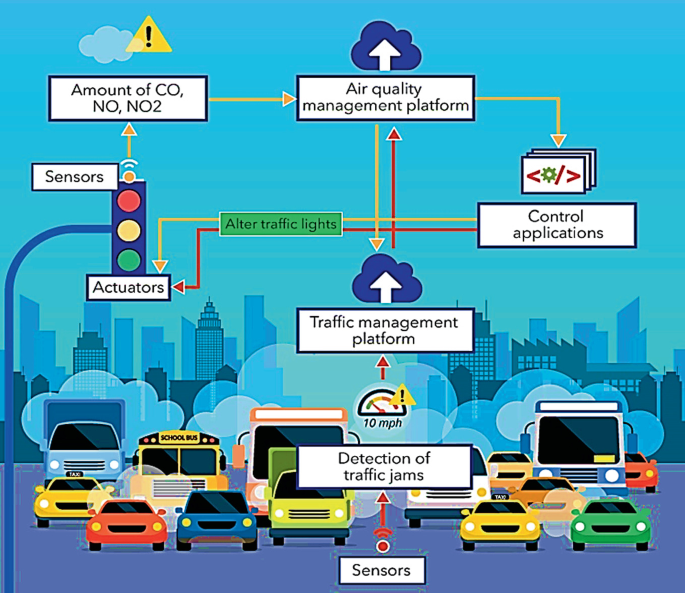
At its simplest, iot in transportation should collect, normalize, and act — fast. That means sensors feed raw inputs (GPS position, fuel rate, temperature) into telematics stacks that speak the same language, and that edge computing filters noise before anything hits the cloud. I define three essential layers: device telemetry, local processing, and resilient backhaul (LTE/5G or private radio). You need readable, timestamped streams — not warmed-over CSV blobs. You bet, clean schema matters. From where I stand, V2X plays a role but only when the basics are solid: accurate GPS, synchronized clocks, and firmware you can trust.
What’s Next?
Technically, the next step is pragmatic convergence: standardized telemetry schemas, predictable OTA windows, and measurable SLA terms with carriers. I’ve led pilots in Antwerp and Lisbon where harmonizing data formats cut troubleshooting time by nearly half — tangible wins. Adopt edge rules to strip and compress telemetry at source. Use layered redundancy so a carrier outage becomes an annoyance, not a business stop. Also — and this matters — test in real conditions: night runs, port gates, and cold starts. Short bursts of chaos reveal the true behavior of a system.
How to choose — three concrete metrics I use
I advise buyers to evaluate candidates on three counts. First: mean time to actionable data (MTAD) — measure the delay from sensor event to usable alert; aim for under 5 seconds in critical flows. Second: field repair rate — track how often an installation requires a technician visit within 90 days; lower is better (target under 4%). Third: deterministic OTA success — percent of firmware pushes that complete across heterogeneous networks; insist on ≥98% in pilot tests. These metrics kept me out of costly reworks when I managed a 120-vehicle fleet in Valencia last year. Minor interruption — but important detail: insist on recorded test logs.
In the end I trust clear data, simple protocols, and partners who can prove results in the field. If you want vendor names that matched those metrics for me — I’ll share them over a call. For technology and practical deployment support, I look to teams like ZYIoT, who have shown they can move from lab to lane without theatrical promises.
