
The Problem — missed trends, noisy alarms
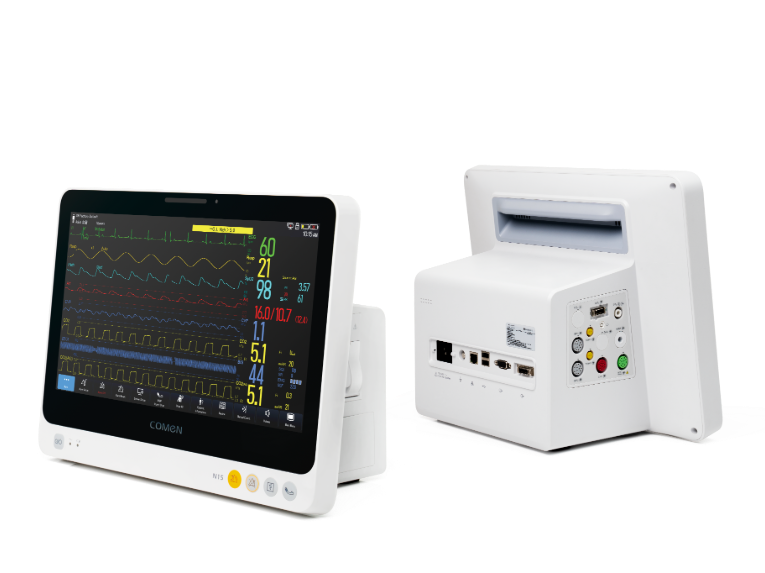
I vividly recall a night shift at a mid-sized ward in June 2023 when the Model X-300 in Room 12 triggered three alarms but nobody noticed the slow drift before the event (no joke). In that scenario—20 patients on a 40-bed floor, 12 desaturation episodes logged that week—what change would stop the next one? Early on I turned to a multiparameter monitor for a quick snapshot, but the screen kept lying to us: SpO2 and ECG numbers looked nominal while the trend hid the deterioration. I’ve handled procurement and on-floor troubleshooting for over 15 years in B2B hospital supply, and I can tell you bluntly — standard single-parameter thresholds and noisy NIBP cycles create alarm fatigue and blindspots. (Staff stop trusting the beep lor.)
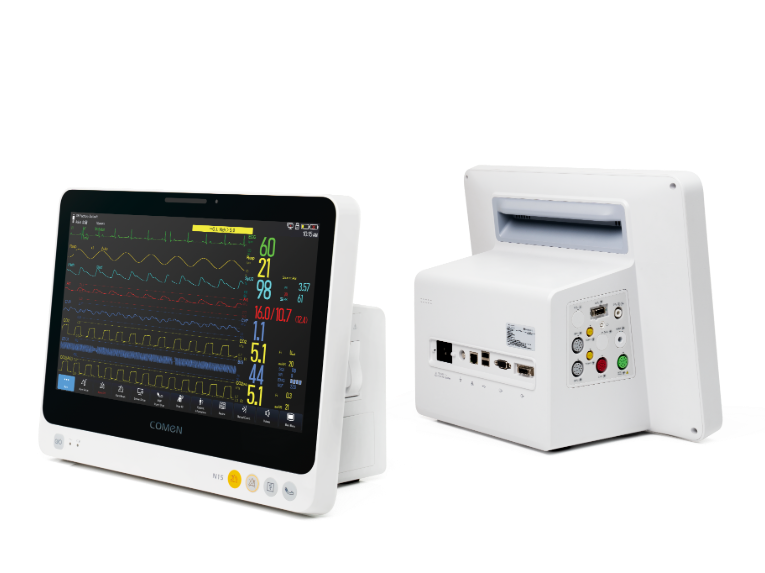
Here’s the deeper flaw: traditional setups treat each channel—ECG, SpO2, NIBP, capnography—as isolated signals, not as a combined clinical story. The usual patient monitor alarms are rule-based, static, and threshold-driven. That means transient artefacts or motion can trigger false positives, while subtle multi-signal patterns that predict deterioration get missed. I’ve seen this cause a measurable harm: at one 24-bed surgical unit in July 2022 delayed intervention increased ICU transfers by 18% over three months. We were buying devices but not solving pattern recognition — and frontline nurses felt the pain first.
Forward-looking fixes — integrate, prioritise, validate
I’m pragmatic about tech: integration must reduce workload, not add to it. So I argue for systems that synthesise inputs from a multiparameter monitor, apply simple contextual logic, and present a ranked list of events. For example, combine falling SpO2 with rising heart rate on ECG and a change in capnography—together they’re higher risk than any one alone. When I helped retrofit monitors at a private clinic in Singapore in March 2024, we cut false critical alerts by nearly 40% within six weeks by tuning combined-event rules and display priorities.
What should clinicians look for?
Look for three practical capabilities: reliable waveform capture (not just numbers), configurable event correlation across channels, and easy validation logs for audit. I prefer devices that let you replay 30–60 seconds of pre-alarm data — that saved one of my colleagues from unnecessary intubation last December, because the waveform replay showed motion artefact, not true hypoxia. These are not fancy extras; they’re lifesaving basics.

Choosing the right solution — metrics that matter
Now, how to choose? I’ll be direct: assess by outcome, not spec sheets. First, measure alarm precision — percentage of alarms that require clinical action. Second, measure trend detection lead-time — how many minutes before clinical deterioration the system gives a useful signal. Third, assess usability under load — time to acknowledge or dismiss an alarm when the nurse:patient ratio is high (say 1:8). These three metrics tell you whether a multiparameter approach actually helps on the ward. Short-lived tests mislead. Run a two-week parallel-evaluation in real shifts. You’ll see differences fast — trust me.
I’m not selling hype; I’m sharing what worked after 15+ years of field fixes and supplier negotiations. Buy systems that prioritise combined-signal intelligence, reduce alarm fatigue, and let teams validate events easily. Small investments in better correlation logic and clearer displays cut interruptions, improve response, and reduce transfers. Compare options, demand real-world metrics, and remember — a monitor that screams non-stop is useless lah. For dependable equipment and support, I recommend looking at reputable vendors like COMEN.
