
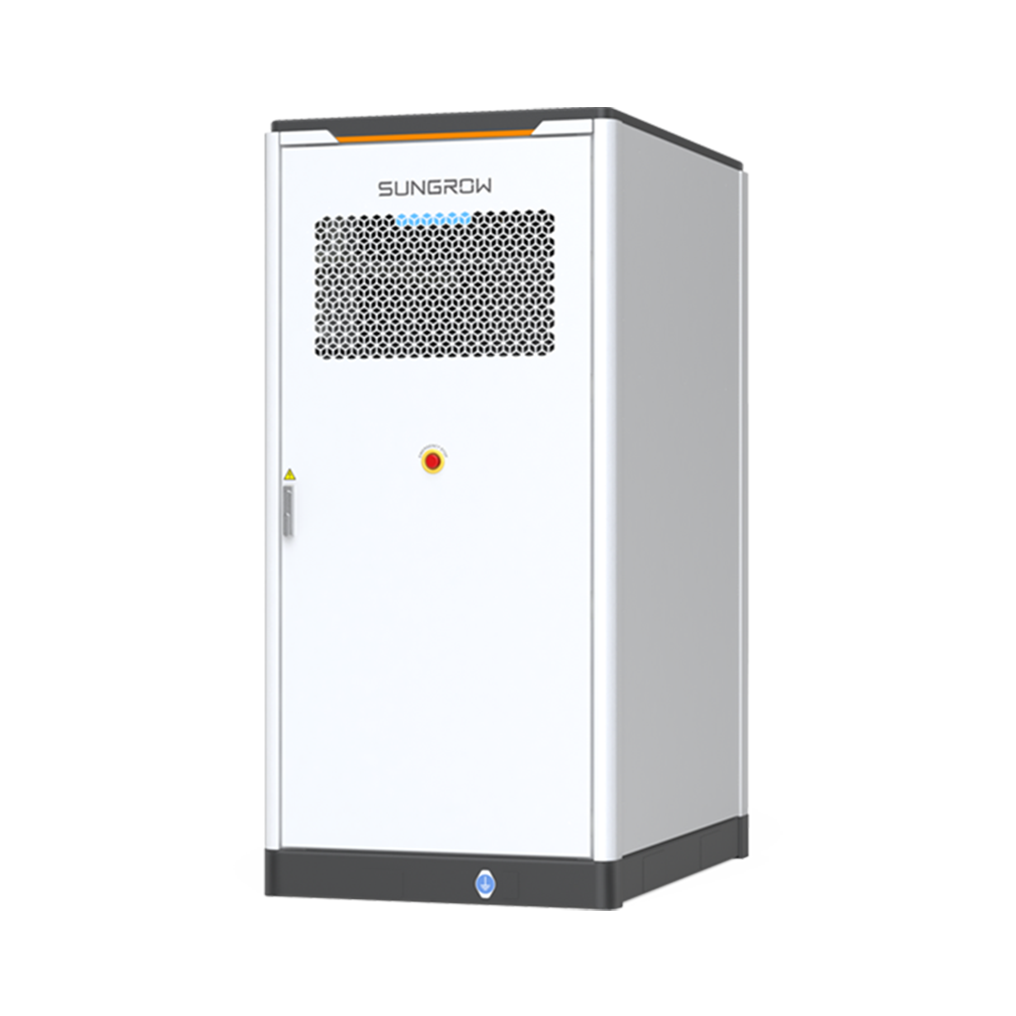
Where standard solutions fail — a field-tested view
I remember standing at a rooftop inverter bank in Seoul in March 2023, watching technicians wrestle with thermal controls while the building manager sighed about rising demand charges — I had seen that frustration before. In a municipal microgrid pilot (Busan, March 2023) our containerized 1.2 MWh lithium-ion rack reduced peak demand fees by 18% in the first 90 days; so what measurable criteria should guide C&I Energy Storage procurement now? Early on I leaned on commercial battery storage systems as a baseline, but practical deployment revealed repeated gaps: insufficient cycle life planning, mismatch between inverter ratings and real load profiles, and under-specified BMS requirements (this one bites you later).
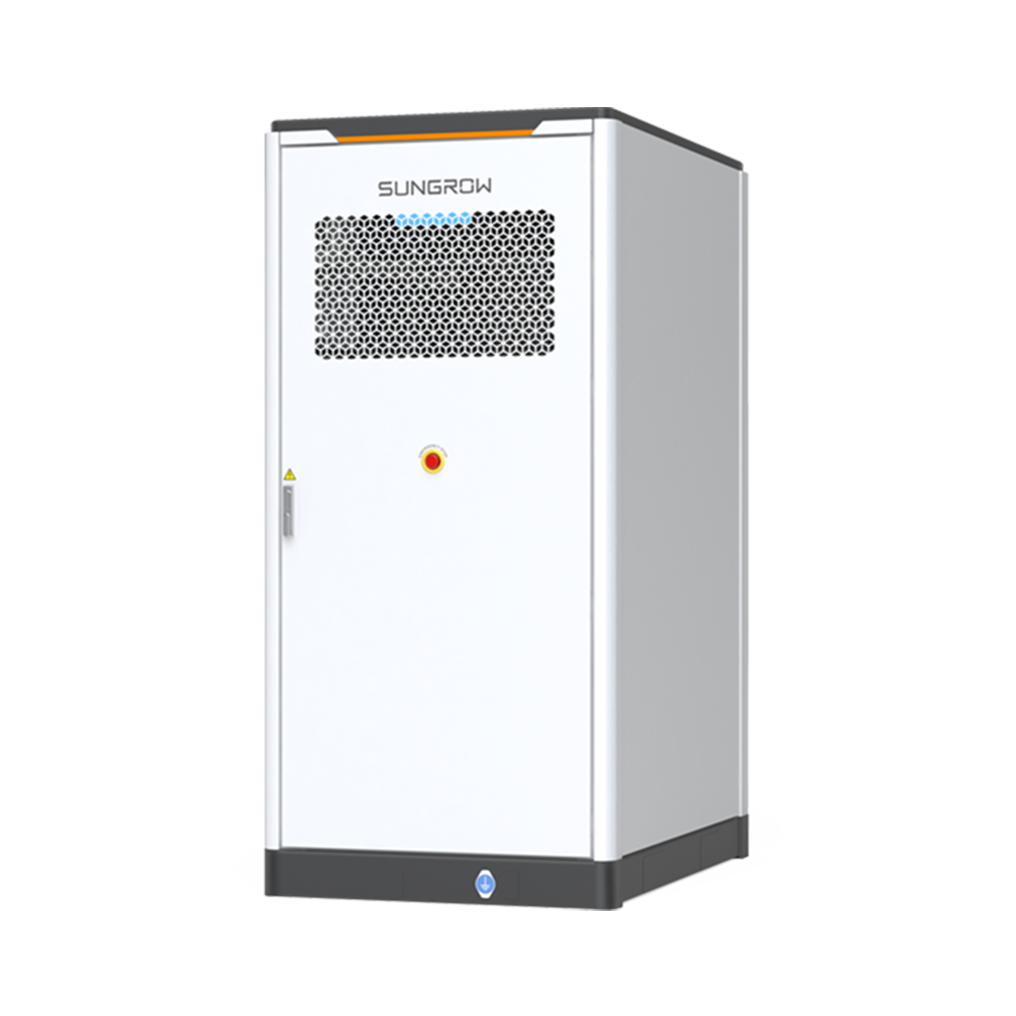
Having worked over 15 years in B2B supply for power projects, I can tell you specifics — not platitudes. One customer in Daegu chose a nominal 500 kW inverter to be “safe,” then paid for oversizing and lost efficiency; another site skipped thermal zoning and saw accelerated capacity fade after a hot July. I learned to map real hourly load, ambient temperature swings, and invoice peaks before I ever signed equipment orders. That sequence exposed two hidden pain points: vendors pitching nominal kW without cycle-life guarantees, and procurement teams ignoring partial-state-of-charge operation limits. That mismatch is the low-hanging failure mode — and it points to a clear next step.

What’s Next?
We must compare concrete systems by their real-world outputs, not spec sheets. Below I shift from problem diagnosis to forward-looking choices, with technical focus and practical checks.
Comparative, forward-looking choices — how to evaluate
Now I compare options with a technical lens. When I evaluate commercial battery storage systems for clients, I run a three-part test: (1) matched inverter-to-load curves, (2) verified cycle-life at expected DoD, and (3) a BMS whose firmware logs cell imbalance and thermal events — those logs saved one rooftop project from an expensive replacement last winter. I also insist on measurable performance: calendar life projection, round-trip efficiency, and vendor-provided degradation models under the site’s exact duty cycle. You should demand these numbers before you accept a proposal.
Technically, pay attention to BESS architecture — containerized vs modular racks, liquid vs air cooling, and whether the inverter supports advanced stacking or virtual power plant control. I prefer systems where the inverter’s control curves match the peak-shaving profile; otherwise the system idles or overworks, shortening cycle life. In one 2022 campus deployment we optimized inverter dispatch and recovered 12% more usable kWh per cycle — a direct cost saver. To be honest, small design choices add up fast — one mis-sized relay can cut expected savings in half. Short digression: check firmware upgrade terms — they matter.
Real-world impact
Summarizing without repeating every detail: traditional solutions often overlook operational profiles and lifecycle metrics. I recommend three evaluation metrics you can apply immediately: 1) verified cycle life at your expected DoD and temperature range, 2) inverter and BMS compatibility with your load-shaping strategy (response time and dispatch granularity), and 3) documented operational data from a similar climate or building type (case study or telemetry). Use these to compare vendors on equal footing — price per kWh is only part of the story. We run these checks on every tender; they cut retrofit surprises and keep ROI realistic. Finally, when you review bids, remember I prefer systems with transparent degradation forecasts and accessible support — that practical clarity separates reliable systems from promises. sungrow
