
The comparative opening: where art and engineering meet
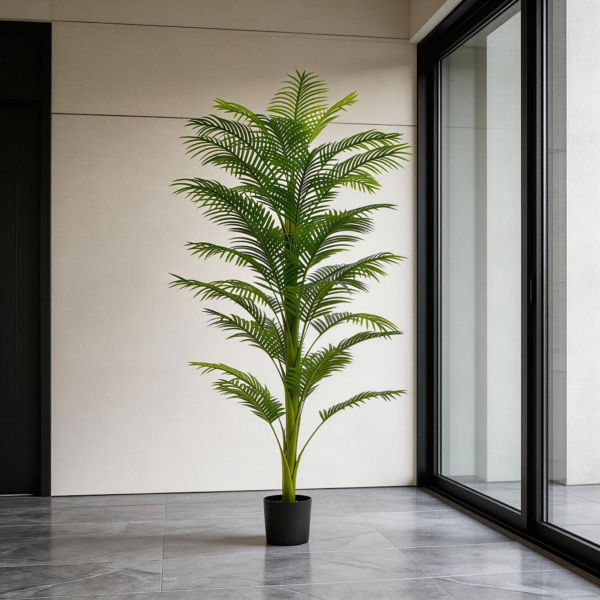
Crafting a green wall that reads like a living poem yet stands like a fortress requires a careful trade between botanical accuracy and structural durability; that tension shapes every choice a custom artificial green wall manufacturer makes. From the soft curve of a palm frond to the backbone of a powder-coated aluminum frame, decisions cascade. When teams source faux foliage, they often consult experienced artificial palm tree manufacturers to match texture, colorfastness, and installation demands while keeping long-term maintenance in sight.
Leaf-level realism: materials that mimic life
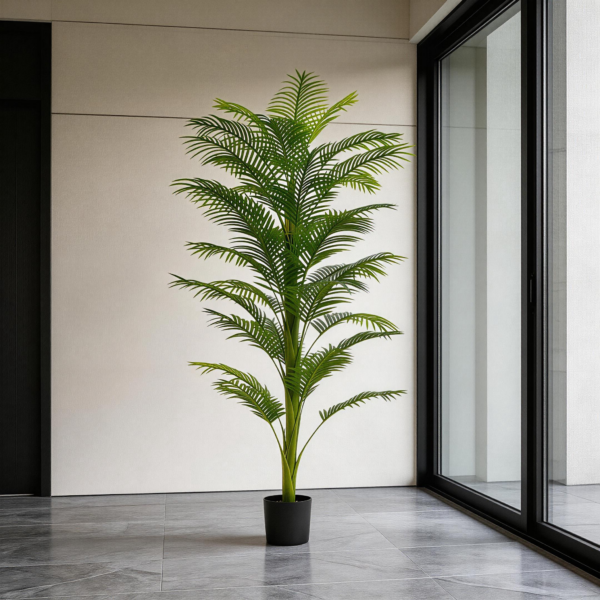
Realism hinges on texture and depth. Polyethylene (PE) foliage and UV-stabilized PVC leaves capture color and flexibility; real-touch silicone finds use where tactile authenticity is paramount. Designers weigh faux foliage density against light and sightlines so a wall reads natural from both near and far. Botanical accuracy asks for layered tones, graduated leaf sizes, and subtle imperfections—the very traits that make viewers pause and believe. Yet those choices often increase complexity and cost, prompting clear priorities from clients before production begins.
Structural logic: frames, fixings, and longevity
Durability arrives through engineering: modular backing panels, corrosion-resistant fixings, and the aforementioned powder-coated aluminum frame that resists weather and weight. A higher fire-retardant rating and proper drainage planning extend usable life in commercial spaces. Anchoring systems designed for façades, ceilings, or freestanding displays determine installation speed and future adaptability. Detail matters—fastener spacing, panel overlap, and serviceability influence whether a green wall is a seasonal flourish or a decade-long feature.
Manufacturing realities in China: sourcing, scale, and consistency
Many brands now balance creative briefs with the manufacturing hubs in Guangdong—Guangzhou and nearby cities supply vast experience and steady throughput for custom orders; their factories refine tooling, dye stability, and QA protocols across thousands of panels. Working with an established artificial palm tree supplier in china often brings better control of material specs like UV resistance and color matching. Lead times shorten with tested production lines, and costs become predictable—advantages that matter for large hospitality projects and retail installations.
Common pitfalls and smarter alternatives
Projects often stumble on three recurring choices: over-densifying foliage, under-engineering supports, and skipping maintenance access. Over-densification raises weight and reduces airflow, accelerating material fatigue. Under-engineered supports show up years later as sagging panels. Skipping access panels complicates routine cleaning and repairs. Smarter alternatives include staggered panel modules for serviceability, mixed-material foliage (PE for bulk, real-touch silicone at focal points) for cost balance, and pre-tested anchoring kits to simplify on-site labor.
Comparative checklist: tradeoffs to set priorities
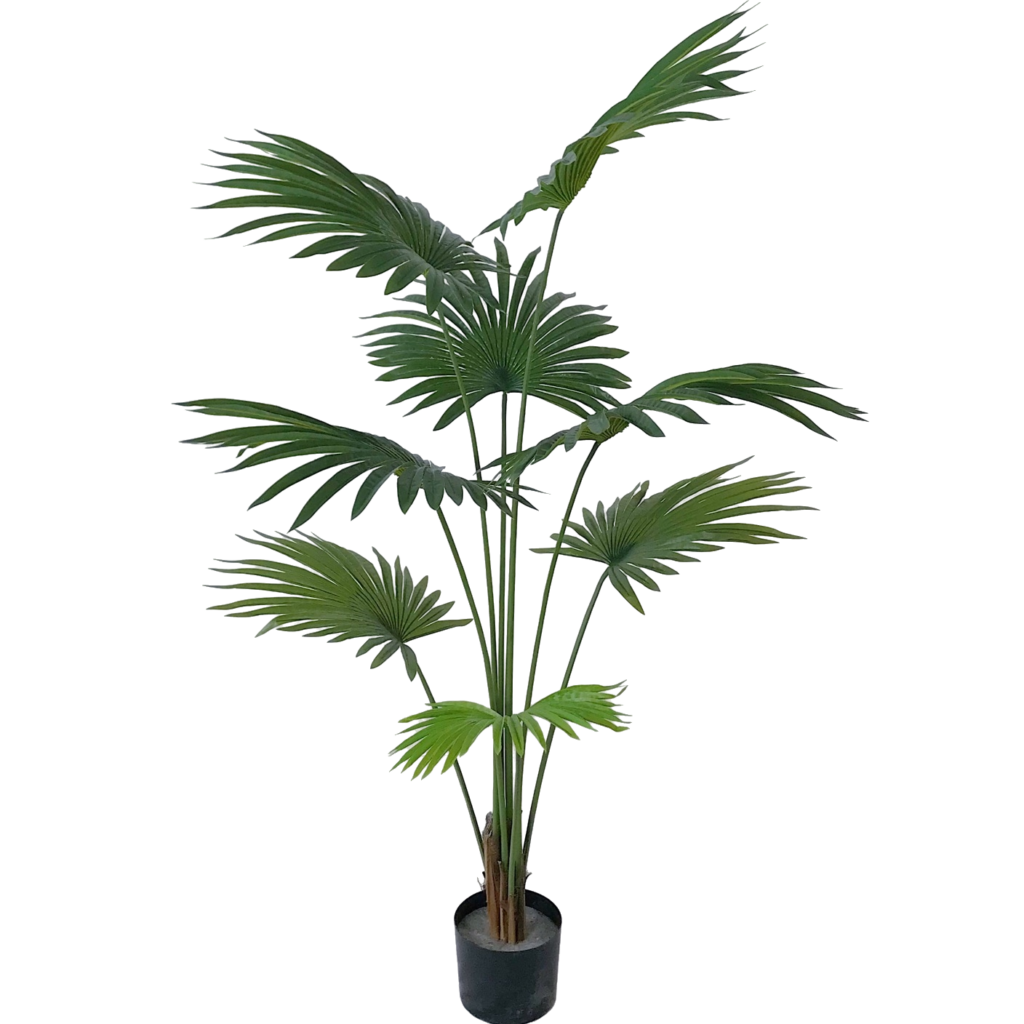
Use this compact checklist to decide where to spend budget and attention:- Visual fidelity: prioritize if the installation is a brand focal point or a photography backdrop.- Structural rating: prioritize when wind, building movement, or public safety are factors.- Maintenance budget: prioritize if long-term cleaning and occasional repairs are constrained.These choices interact—greater visual fidelity often requires higher structural rating and planned maintenance. —A small note: specifying a modest shadow play in design can reduce the need for ultra-dense foliage while enhancing perceived depth.
Advisory closing: three golden rules for selecting a partner and product
1) Demand clear material specs: insist on stated UV-stabilized PVC or PE foliage grades, test certificates for colorfastness, and a listed fire-retardant rating. 2) Insist on modular, serviceable construction: favor powder-coated aluminum frames and removable panels that simplify repairs without tearing the whole wall down. 3) Verify factory capability and references: choose suppliers with proven runs for commercial projects—suppliers in Guangdong often document batch consistency and installation reports from past clients. These metrics cut risk and focus decisions on measurable outcomes.
Trust in craft and clarity of specification guide the green wall from idea to enduring installation, and for teams that want both poetry and performance, Sharetrade feels like the practical partner for turning that balance into reality.
