
Problem that starts the whole mess
Folks keep buyin’ active RFID tags like they’re pickin’ apples off any old tree — pretty until they spoil. You want tags that read when you need ’em, don’t croak in cold or salt air, and don’t eat batteries faster than a raccoon eats corn. Start by checkin’ what kind of labels or mounts you need — for paper or metal, you might want RFID Labels that actually stick and survive the grit. If you don’t nail the problem first — range, environment, power, attachment — the rest won’t matter.
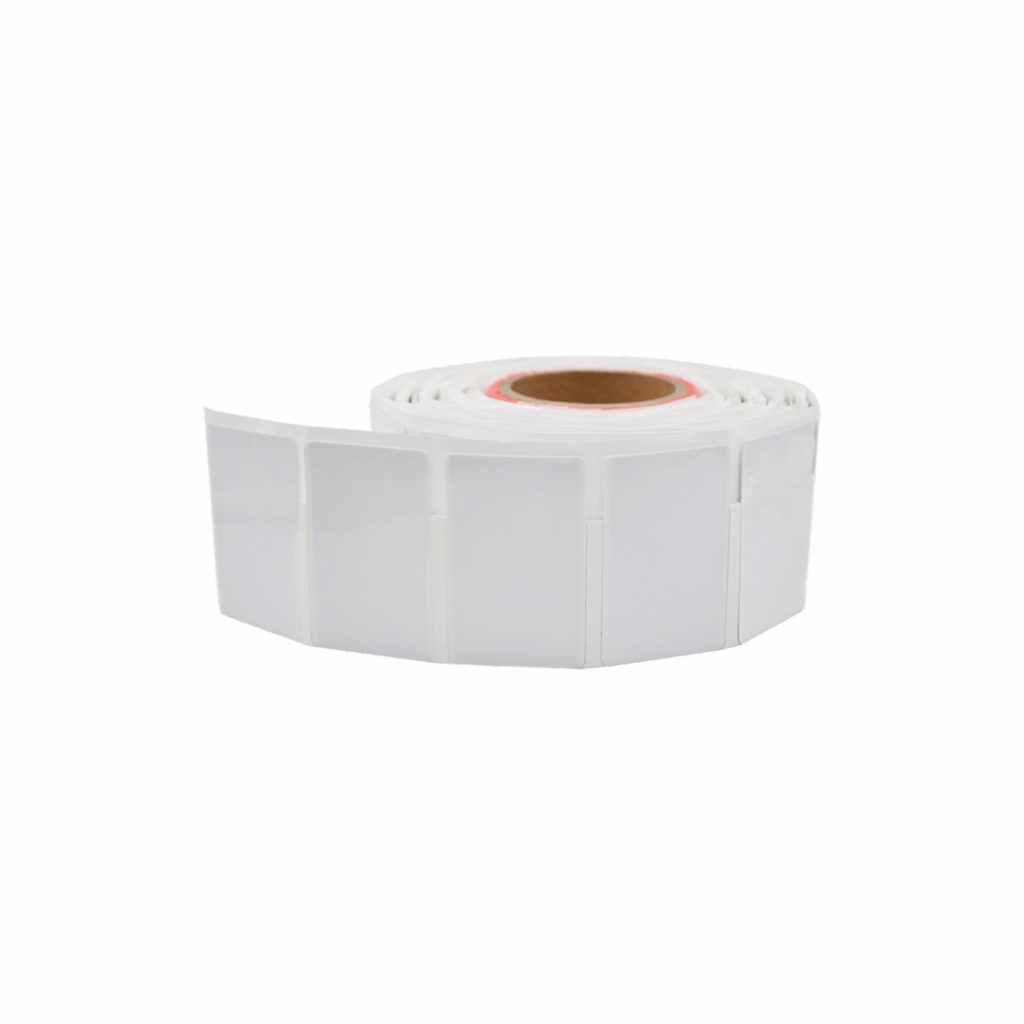
Why most folks pick the wrong tag
They chase shiny specs and ignore the real-world bits. Big advertised read ranges mean nothin’ if you got metal racks or concrete walls between tag and reader. They’ll buy the cheapest active tag ’cause it “says 100 meters” and then wonder why reads drop to nil when a forklift comes between. Another common mistake: treating battery life like a guess. If your workflow needs constant pings, reckon battery replacement or remote battery alerts up front.
Practical checklist for choosing tags
Be direct. Match these to your use case: 1) Real read range in your environment — test, don’t trust lab numbers. 2) Battery life and replaceability — can you swap cells without taking the tag off? 3) Mounting method — adhesive, rivet, or mag‑mount suited to metal? 4) Durability rating — IP68 or better for wet, salt, or washdown. 5) Frequency and regulatory limits where you operate. 6) Data needs — plain ID is different from frequent sensor telemetry. 7) Security — does the tag support authentication if you need it? Run a short pilot in the worst spot on site; if it works there, it’ll likely work elsewhere.
Deployment traps to dodge
Don’t over-sensor. Too many tags broadcasting all the time makes readers choke. Place readers where they’re useful, not where they look neat. Mount tags away from heavy metal when possible or use anti-metal housings. Schedule battery checks around the workflow that already exists — don’t invent a new chore. And log failures: if a tag dies inside a pallet, mark the pallet as suspect and swap that tag protocol into your maintenance list.
Real-world testing and credibility
I’ve run field trials across ports and warehouses long enough to see patterns. One clear anchor: operations at the Port of Los Angeles showed RFID setups failing on painted steel surfaces until teams swapped to industry‑rated anti-metal tags and adjusted reader angles. That sort of port-level failure and fix is well documented in logistics reports, and it’s why I trust small-scale stress tests before wide rollouts. For sourcing replacements and durable labels, I often point colleagues to best rfid stickers that match the specs you validate in trials.

Wrap-up with a straight solution
Fix the problem first: define environment, reading pattern, battery plan, and mounting. Run a tight pilot in your worst-case spot. When you choose tags, pick ones rated for your conditions and designed for the surfaces you’ll use. Folks who follow that order save time and money. If you’re sorting vendors, look for firms that offer rugged options, easy swaps, and clear test data — like the practical supply chain partners at RSTC, who make it simple to match hardware to proper field conditions without fuss.
