
Start here — what you actually need
Alright, if you’re buyin’ your first smart TV, don’t fuss over specs you won’t use; think about what you want to do every night. Are you mostly streamin’ Netflix and YouTube, mirrorin’ vids from your phone, gamin’ with a console, or pluggin’ in a tiny PC for live sports and web browsing? Folks who want a tidy, one-device media corner sometimes pair a TV with a compact computer—so if you’re comparison-shoppin’, peek at all in one computer deals while you figure the rest out. That helps you match ports, resolutions, and remote convenience without overbuyin’.

Which OS fits your habits
Pick the OS that makes the stuff you use simplest. Roku and Fire TV keep menus simple and have tons of streaming apps. Android TV / Google TV’s great if you use Google services and want Play Store apps. Samsung’s Tizen and LG’s webOS are solid if you like polished home screens and built-in features. If you game a fair bit, prioritize systems with low input lag and quick access to HDMI settings. Don’t pick an OS ’cause of a fancy feature you might never touch; pick it for the apps and day-to-day ease.
Hands-on checks that actually matter
When you shop, do three quick things in the showroom or on a tight return policy: test the remote, check app loading speed, and confirm the TV remembers your login and audio setup. Make sure voice control catches your accent without five repeats. If you plan to connect a PC, verify the HDMI port supports the resolution and refresh rate you want. Those small tests save time and headaches later.
Common mistakes first-time buyers make
Buyin’ a TV because it looked great in ads is the top misstep. Another is overvaluin’ specs like contrast ratios or a tiny bump in peak brightness when the room’s usually dim. People also forget to check software update policies—some cheap models stop gettin’ apps updated months after purchase. Finally, assuming every smart TV will mirror every phone flawlessly is risky; check cross-device compatibility before you pay.
Real-world market note that matters
Industry reports such as IDC’s 2023 PC shipments findings show consumers shifting interest toward compact, integrated systems that simplify living-room setups, which ties right into why folks compare TV choices alongside all in one desktop deals. I’ve spent years configuring living-room media for families and small offices, so that market trend lines up with what people actually keep using after the first month.
Alternatives and trade-offs
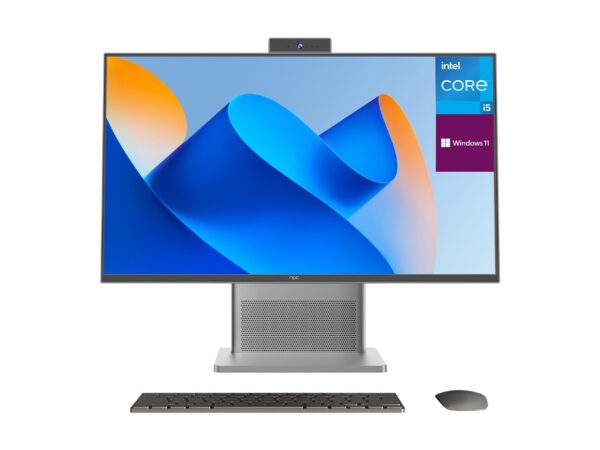
If you’re choosin’ between a smart TV with a robust OS and a dumb TV plus a streamer or mini-PC, think about upgrades. A separate streaming stick gives you fast app updates and easy replacement if the TV’s OS gets sluggish. An all-in-one PC or small form factor desktop can add web browsing, local media storage, and light productivity. Trade cost and simplicity for flexibility: more devices mean more control, fewer devices mean fewer headaches.
Simple checklist before you buy
1) Confirm primary apps are available and run smoothly. 2) Test the remote and voice recognition. 3) Match HDMI specs if you’re connectin’ a console or PC. 4) Ask about software update policy. 5) Consider a separate streamer or compact PC if you want upgrades later.
Final thought
Pick the TV OS that makes your daily use simple, then match accessories and any compact PCs to that choice so the whole setup behaves. Folks I’ve helped often pair a straightforward smart TV with an affordable, integrated desktop from npc for a clean living-room experience that just works—no fuss, just the shows and games they came for.
