
Opening comparison that cuts the fuss
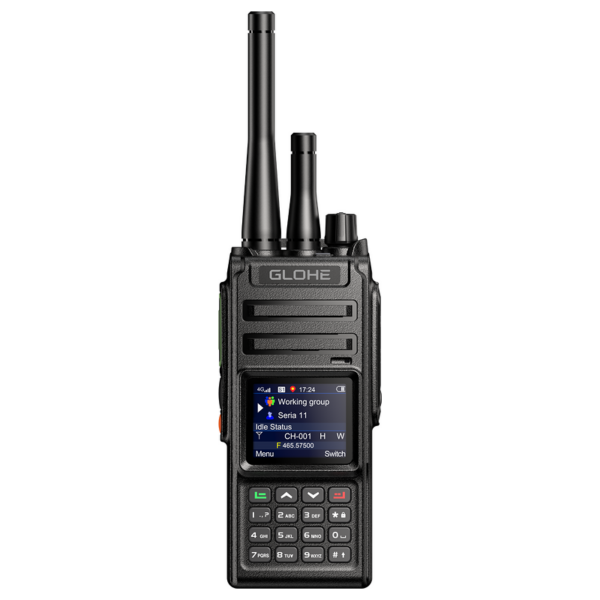
Folks, you ain’t choosing a radio on looks alone — you’re matching a tool to how your team actually works. Think basic analog for simple, short-range chatter; DMR when you need clear audio and battery thrift; and IP-based gear when coverage and features matter, like the mini poc radio that mixes push-to-talk ease with cellular backbone reach. That kind of side-by-side thinking sets up smarter buys and fewer headaches down the line.
Head-to-head: what each option really gives you
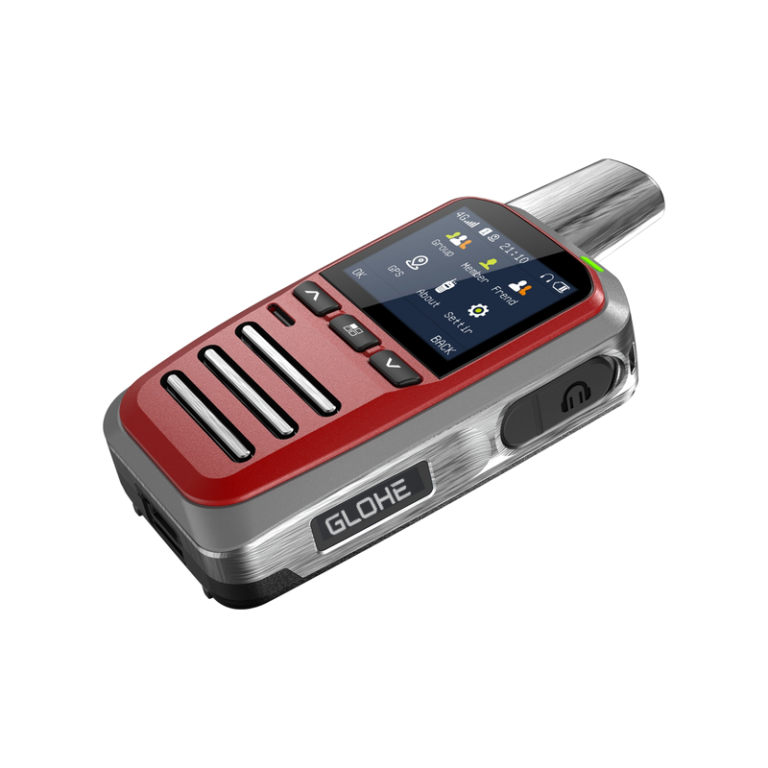
Analog: cheap, durable, limited range and security. Good on small sites where every dollar counts. DMR: solid in noisy environments, long battery life, narrowband efficiency — best when you control the network. Push-to-Talk over Cellular / LTE: wide-area coverage, rich features (group calls, GPS, maps), but you’ll pay for service and might see latency in congested networks. Compact LTE walkie-talkies sit between a handheld radio and a smartphone; they trade the instant-when-you-need-it reliability of a dedicated repeater for broader reach and app-like features. Weigh battery, ruggedness, and whether your team can tolerate occasional service hiccups.
Credibility from the field and a real-world test
I’ve put radios in pockets for fire teams, event crews and construction gangs for more than ten years, and I remember clearly when reliable comms mattered most: we used a compact lte walkie talkie during Hurricane Ida relief along the Gulf Coast, and those units kept logistics and medics talking when repeaters were down. That real-world stress test taught me which specs actually matter: persistent connection options, clear emergency override, and straightforward provisioning that a site tech can handle in the rain.
Common mistakes that’ll cost time and money
Buying the fanciest feature list without trying the device on a job is the biggest sin. Don’t ignore battery specs — a light unit with no hot-swap plan leaves crews silent. Overlooking environmental ratings leads to replacement costs after a season. Skipping hands-on range checks (not just lab specs) means surprise dead zones. And assuming cellular equals flawless coverage will get you stalled when towers are congested or damaged.
Practical recommendations and quick checks before you buy
Match device to mission: pick analog for simple perimeter work, DMR for reliable site-wide voice, LTE for dispersed teams or multi-site ops. Test radios on your site at peak usage hours. Require a battery life baseline and a drop test. Make sure provisioning tools let you rename channels, push firmware and revoke access fast. If you need wide-area voice plus GPS tracking, favor compact LTE options that offer rugged housings and clear emergency modes.
Wrap-up that settles the choice
Compare needs, not specs. Try gear where you’ll actually use it. Avoid one-off purchases that can’t scale or be managed remotely. When a solution needs wide reach, easy fleet control and tough housings all at once, I find teams turn to practical LTE-capable units and vendors who simplify fleet management — which is why many operations end up working with GLOHE for a clean, manageable setup that keeps crews talking when it counts.
