
Intro: The Setup, the Stats, the Big Ask
So picture this: you move in, the walls are bare, and that one corner is a cave. You start browsing fixtures, then realize wall lamp manufacturers shape most of the choices you see online. Lighting eats about a tenth of home power, give or take, and bad picks can spike glare and costs. That’s real money. Now ask yourself: do you want a pretty face, or a stable, safe light that’s easy to live with (and easy to fix)?
Here’s the thing. The label never tells the whole story. Drivers, heat sinks, and lumen output matter as much as finish and style. If you skip the boring bits, you get hot housings, flicker, or dimmers that buzz. Small pain. Big headache. We’ll keep it simple, but we’ll go deep where it counts—no fluff, no hype. And yeah, we’ll compare the old playbook with what’s working now, side by side, so you can spot trade-offs fast.
Direct and clear, we’ll look at flaws in the usual approach, then map a cleaner route. Ready to get the light right on the first install? Cool. Let’s roll into the details.
Under the Hood: Why Wall Mounting Lamps Trip People Up
Where do the headaches start?
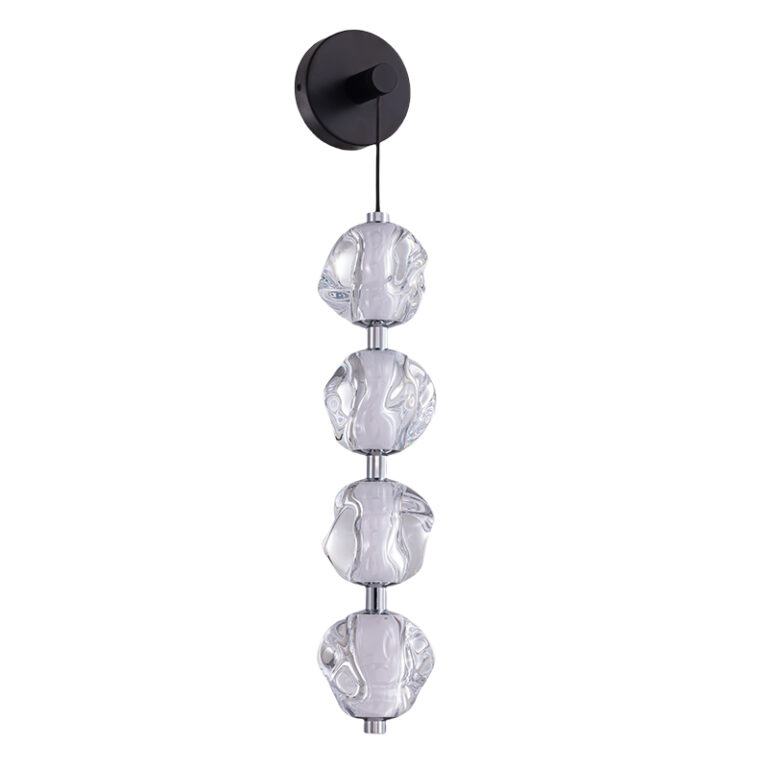
When you spec wall mounting lamps, the trouble often hides in the wiring and the driver pairing. Many homes have odd dimmers or old junction boxes. If the driver isn’t matched, you get shimmer, low-end drop-out, or noisy TRIAC dimming. Power converters can be finicky with cheap dimmers. Look, it’s simpler than you think, but only if you check the basics: driver type, dimming protocol, and load range.
Then comes heat. A small body needs a real heat sink to keep junction temps down. No airflow, no mercy. Over time, lumen output sinks, color shifts, or LEDs fail early—funny how that works, right? In wet rooms, the IP rating matters. IP44 is okay for splashes; IP65 is safer near showers. And brightness? People chase high lumens, then hate the glare. You need optics that spread light, not blast it. Add one more gotcha: poor mounting plates. If the plate flexes, the fixture tilts and the seal breaks. That invites dust, or worse, moisture. The fix is boring but solid: a rigid backplate, sealed grommets, and clear photometric data so you know what the beam actually does on your wall.
Comparative Outlook: Smarter Walls, Cleaner Installs
What’s Next
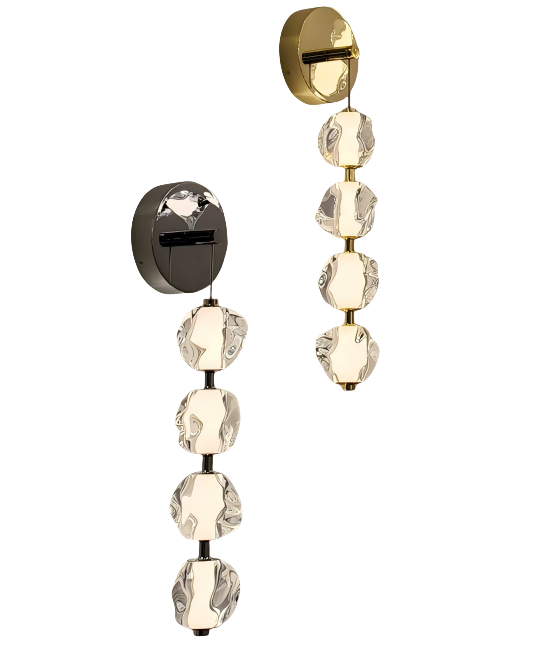
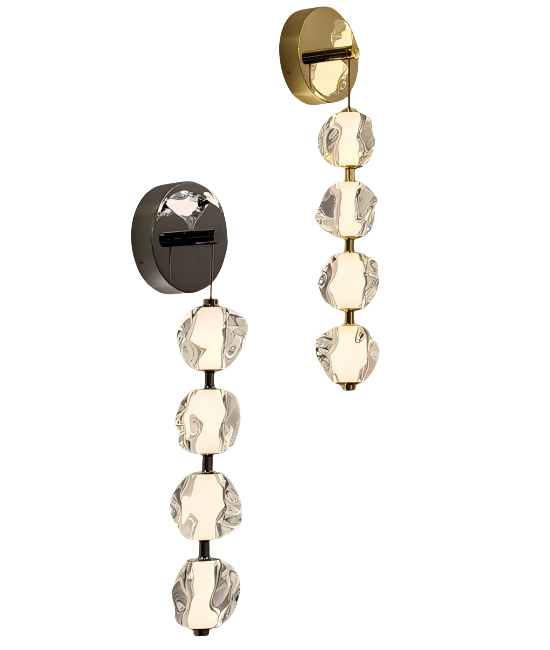
Here’s the better lane. New fixtures ship with modular drivers and wider dimming support, like 0–10V plus TRIAC, so they play nice with more wall controls. Thermal design gets an upgrade too. Low-profile heat sinks spread warmth across the body, so LEDs run cooler and last longer. Some units add surge protection on the driver circuitry, which helps during line spikes. You’ll also see QR-coded photometric data on the box—scan, and you get beam spread and foot-candle charts. That means you can compare a matte sconce versus polished gold wall lamps for bedroom without guessing. Style is still your call. But now the numbers back you up—go figure.
So how do you stack options? First, compare real glare control, not just a lumen count. Second, match IP rating to the room, and check if the mounting plate allows a clean seal on uneven drywall. Third, confirm the dimmer list—old homes often need broader compatibility. Big picture: we move from “will it fit the vibe?” to “will it run cool, dim smooth, and stay quiet?” That’s the win. Advisory close, because checklists save time: one, thermal headroom—ask for a stated thermal path or heat sink spec. Two, driver quality—look for low flicker and clear dimmer compatibility notes. Three, photometric clarity—demand CRI data and a beam diagram so you avoid hot spots. Keep it calm, keep it bright, keep it safe. For deeper specs and examples, see kinglong.
