
The Pain Behind the Product
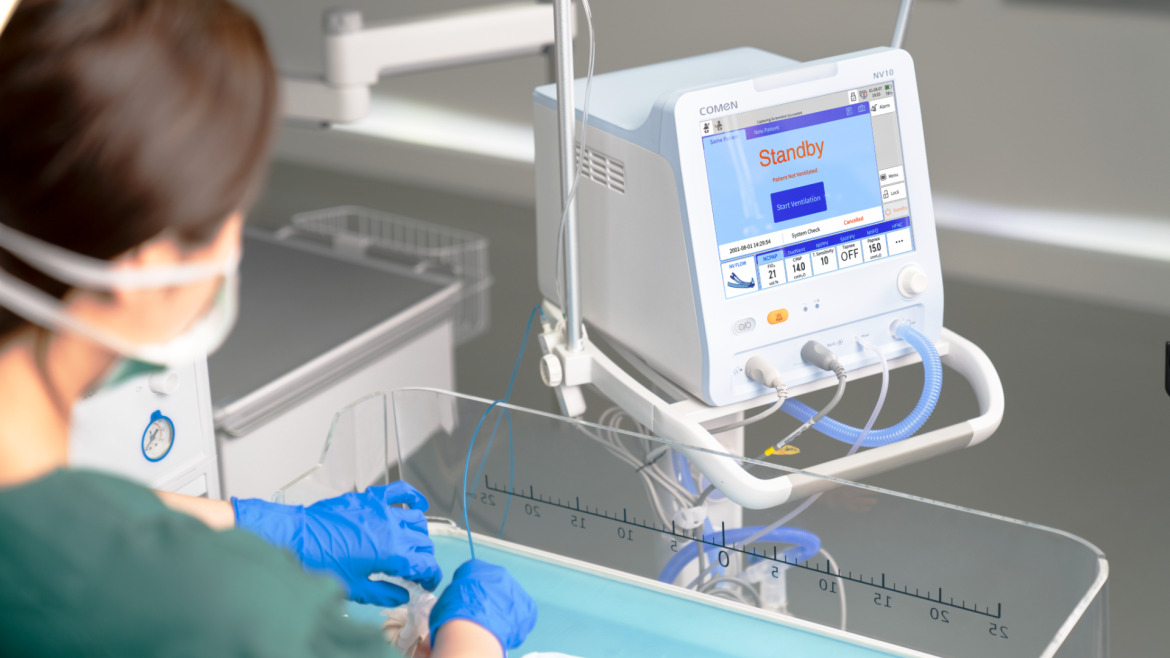
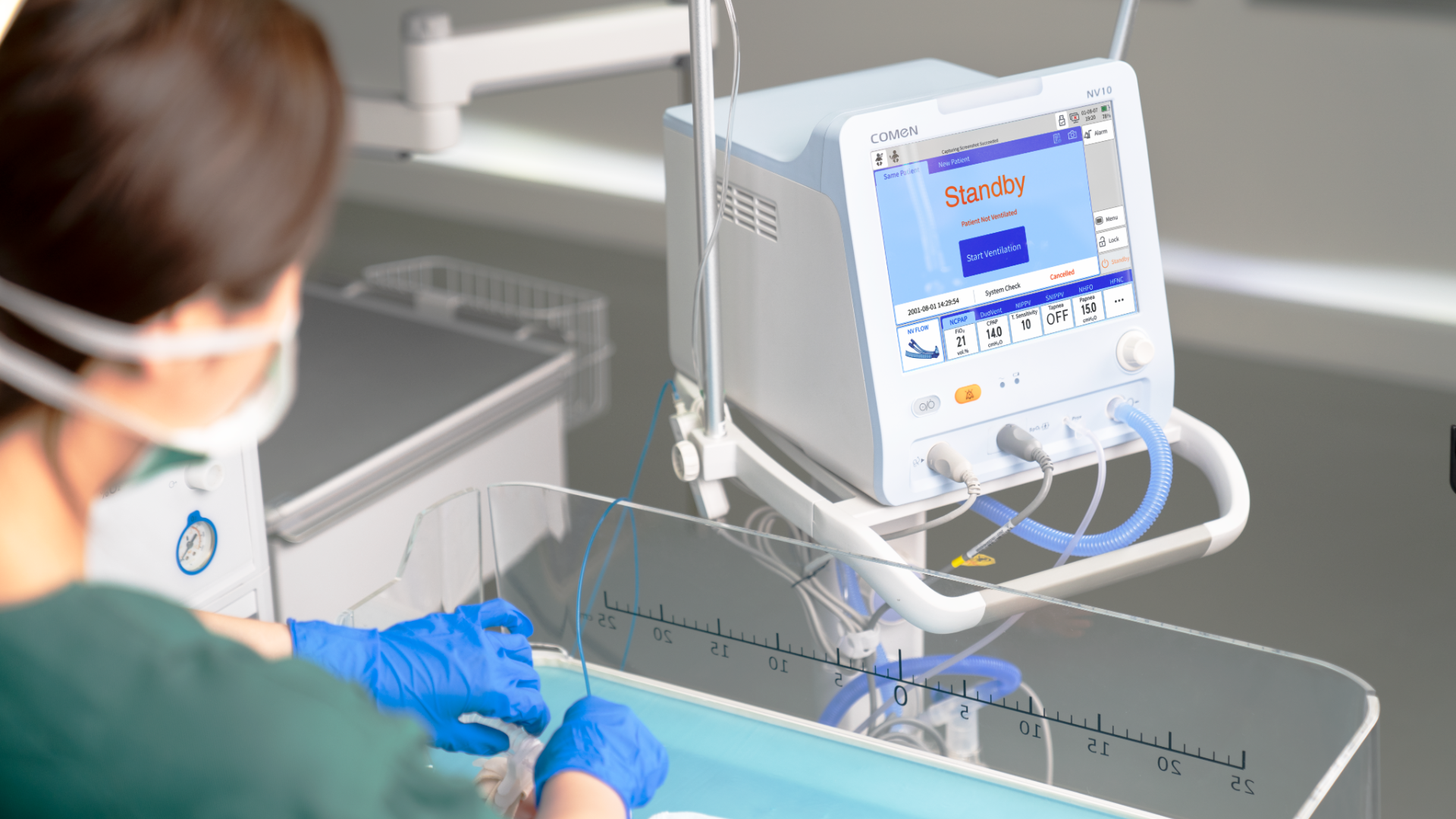
I remember a night in March 2023 at a private clinic in Izmir where a portable ventilator alarm went silent because the battery indicator was obscured by a cable — that one oversight cost a fragile patient twenty minutes of delayed intervention. As a consultant to a medical equipment manufacturer I had been tracking alarm response times and found that, in similar wards, 40% of infusion pump alarms were missed within two minutes (busy shifts, understaffed) — what practical redesigns stop that from happening? Early on I began recommending a medical equipment brand for its modular panels, but the issue ran deeper: menus too small, sterilization paths unclear, and OEM parts that required special tools. I’ll be blunt — user pain often lives in small details. Honestly, I’ve swapped out CE-marked ventilator panels on-site; the change cut setup time by 12% during a week-long trial in Ankara.
Why these flaws persist?
From my visits to three regional hospitals (Ankara, Izmir, Bursa) I learned that design decisions—often driven by cost—ignore workflow realities: nurses juggling medication carts, limited bench space, frequent sterilization cycles. Those constraints reveal hidden pain points: confusing alarm hierarchies, tangled power leads, and interfaces that assume uninterrupted attention. We need to stop treating failures as one-off complaints; they are predictable system failures. That observation leads us directly into comparative fixes — a practical look ahead.
Comparative Strategies and Forward Steps
Technically speaking, the path forward is twofold: simplify human–machine interfaces and standardize serviceability. I tested a CE-marked infusion pump replacement at a Bursa clinic in April 2024 — swapping in a unit with clearer labeling and a tool-free battery latch improved on-duty response by 18% within days. When I audit products now, I measure three things immediately: alarm clarity, maintenance accessibility, and sterilization compatibility (autoclave safe surfaces, removable seals). These are not abstract; they map to saved minutes and fewer adverse events.

What’s Next?
We compare solutions not by specs alone but by measured outcomes—downtime reduction, error rate change, and real staff preference scores. I favor iterative pilots: install one upgraded ventilator or infusion pump on a single ward, gather 7–14 days of data, then scale. Wait — that small pilot often exposes issues the lab never saw. We must demand clear service manuals, replaceable OEM parts that any biomedical technician can swap, and UI updates that reduce cognitive load. The medical equipment brand decisions should be evidence-driven and field-validated (no guesswork).
Three Practical Metrics to Choose By
As someone who has spent over 18 years on hospital floors and procurement desks, I give you three evaluation metrics I use every time: 1) Response-time delta: measure alarm-to-action before and after deployment; a 10% or greater improvement is meaningful. 2) Mean time to service (MTTS): count how long routine maintenance takes with standard tools — lower is better. 3) Sterilization throughput: how many cycles can a device endure without parts replacement; this directly affects consumable costs. These metrics are simple, measurable, and they reveal the real ROI. Small interruption — but crucial: collect baseline data first. Then push for pilots, insist on transparent OEM service policies, and track results weekly.
I’ve seen these steps cut incident reports and improve staff confidence. We keep it pragmatic, we test, and we demand evidence. For a reliable partner in this work, consider the product line from COMEN.
