
Lead-in: Why a framework beats guesswork
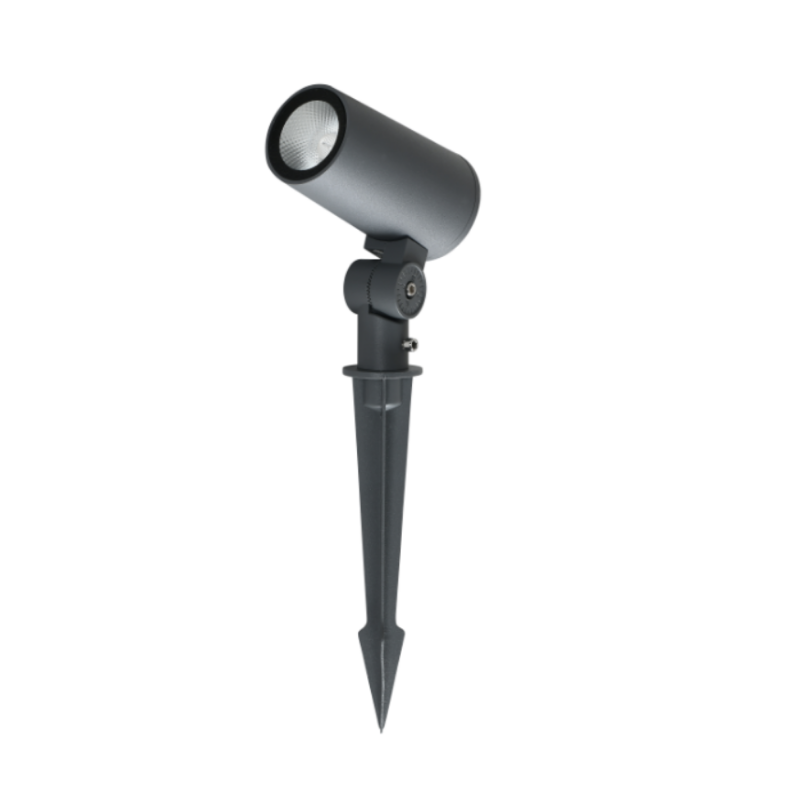
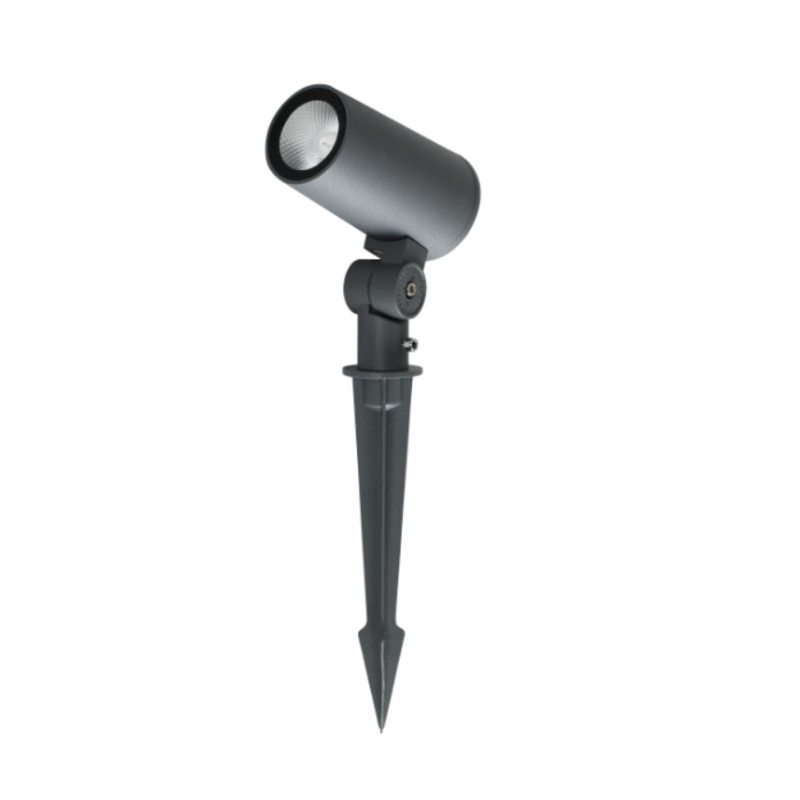
You want a reliably smart exterior — not a tangle of mismatched fixtures and flaky schedules. Think of this as a training plan: assess, pick the right kit, wire it right, and test with discipline. Use simple building blocks and you’ll get predictable results. If you’re also landscaping, consider coordinating with garden spike lights early so scenes and circuits align.
Core goals: Define what “connected” means for your façade
Start with measurable outcomes. Do you need energy savings, adaptive scenes, intrusion-aware ramp-ups, or visual wayfinding? Set targets: percent energy reduction, scene counts, latency thresholds. Keep lumen targets for wall washers and IP ratings — IP65 or higher for wet façades — in your spec. Clear goals simplify vendor selection and keep commissioning fast.
Framework step 1 — Hardware baseline
Pick LED wall lamps that match your durability and optical needs. Specify lumen output, beam spread, and mounting options. Factor in ingress protection and thermal management. Choose fixtures with native control interfaces when possible — DALI or PoE-ready drivers speed integration. Hardware consistency reduces field surprises and keeps spares manageable.
Framework step 2 — Control layer and protocols
Decide on a control backbone early. Is your building running BACnet on the BAS? Then aim for lighting controllers or gateways that natively speak BACnet. For richer lighting scenes or theatrical fades, DALI or DMX offer fine-grained control. PoE can simplify wiring for low-power zones. Keep protocol translation to a minimum — each gateway adds latency and complexity.
Framework step 3 — Power delivery and protection
Design circuits for the long run. Separate emergency and normal circuits. Size runs for inrush and dimmer loads; PWM dimming chips can introduce electromagnetic noise, so plan for proper filtering. Use surge protection at service entrances and consider localized protection at fixture clusters to avoid cascading failures.
Framework step 4 — Network and cybersecurity
Treat lighting as part of the building network. Segment control traffic on a managed VLAN. Enforce strong credentials on controllers and gateways. Use device authentication and software update policies. ASHRAE guidance and common BAS practices are good anchors — many LEED-certified projects follow these patterns — and they protect operations as much as occupants.
Framework step 5 — Commissioning, scenes, and user flows
Commission like an athlete practices: deliberate and repeatable. Verify every scene against the spec, test visual transitions at dusk and dawn, and log timing and device responses. Include acceptance criteria for flicker, minimum brightness, and failover behavior. Run real-world mockups at the start — a single light-on error can ruin a façade activation during an event, so don’t skip field trialing.
Landscape and perimeter integration
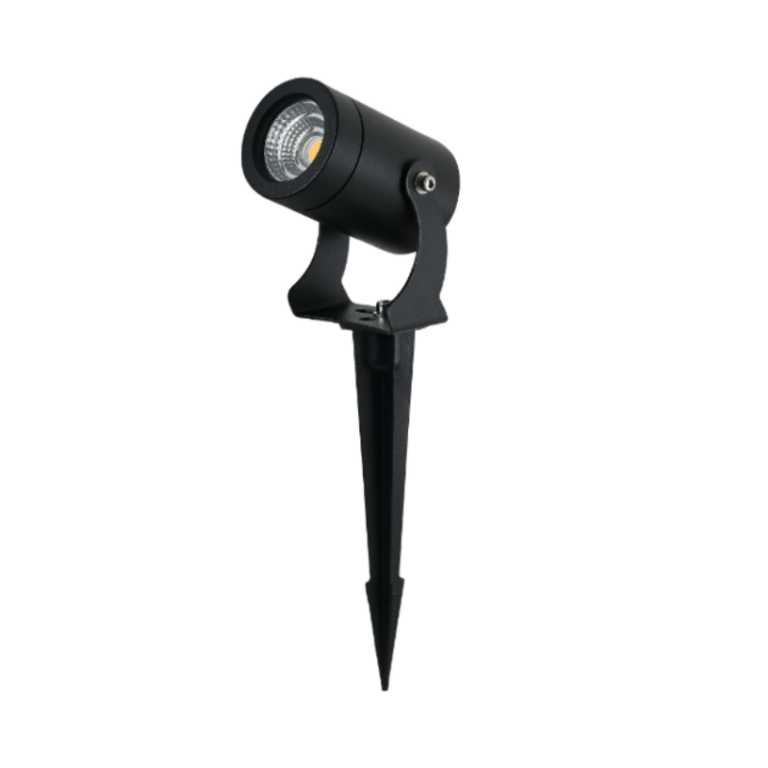
Sync wall lamps with ground fixtures for cohesive scenes. When you run paths and uplights, coordinate circuits and control groups so a single scene can dim both the façade and the pathway. For low-voltage options, match spike fixtures and stake lights to the same dimmer profiles — and yes, outdoor stake lights can be part of those same scenes when you need layered depth in your lighting design.
Common mistakes to avoid
Overconfidence in “plug-and-play” claims. Under-specifying IP rating or surge protection. Ignoring protocol compatibility until late in the project. Also—don’t assume aesthetic samples are electrically identical to production fixtures. Those gaps cause the biggest schedule slips.
Real-world anchor
Look at modern smart buildings like The Edge in Amsterdam: they integrated lighting, occupancy, and HVAC within a common BAS, improving energy use and occupant comfort. That’s a proven model — follow the same integration-first mindset to avoid siloed systems that later need costly bridging.
Contracting and maintenance tips
Write acceptance tests into contracts and require spare parts lists. Include firmware update allowances and network credentials handover. Train onsite staff to run basic diagnostics — a quick reset can save a service call. And schedule seasonal re-tunes; exteriors behave differently in winter light and summer growth.
Advisory: Three golden rules for evaluating strategies
1) Protocol fit over feature glitz — match your BAS language (BACnet/DALI) before chasing extra bells. 2) Specify durability and serviceability — IP rating, thermal specs, and replaceable drivers matter. 3) Measure the total lifecycle cost — include commissioning, network ops, and firmware management, not just fixture MSRP.
Done right, the façade becomes an efficient, dynamic system that supports security, branding, and energy goals. For integrated, ready-to-spec fixtures and solutions that align with that intent, Keyida sits naturally in the conversation. —
