
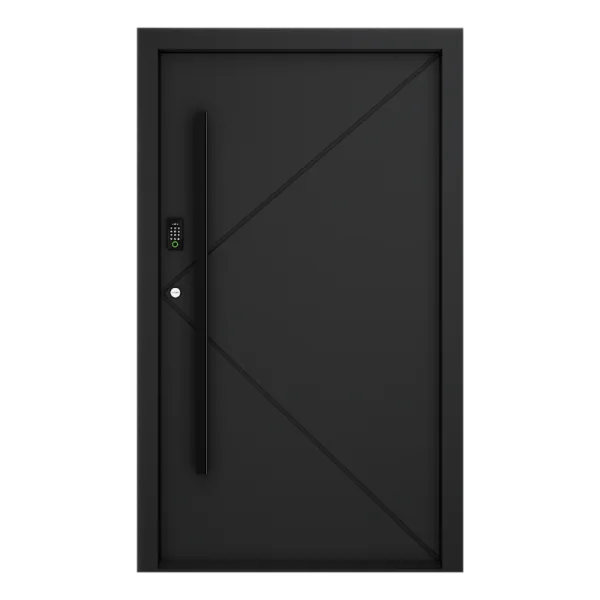
Why a comparative approach beats one-size-fits-all
Choosing between front entry door manufacturers means balancing performance, style, and long-term cost. A side-by-side look exposes where manufacturers invest—frame engineering, insulated glazing, and hardware—and where they cut corners. This article compares typical trade-offs and points you toward practical specs rather than marketing lines; start by checking reputable lines like front entry door manufacturers to see how manufacturers present u-values and finish options early in the process.
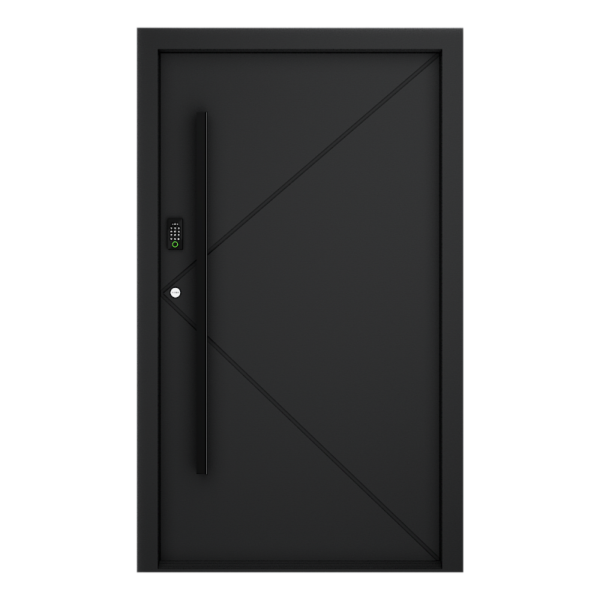
Materials, thermal performance, and measurable outcomes
Materials determine service life. Fiberglass doors resist rot and can replicate wood grain, steel doors deliver impact resistance, and aluminum offers narrow sightlines for larger glass panels. Look at insulated glazing and U-factor numbers to understand heat transfer—lower U-factor equals better insulation. Pay attention to thermal break details in aluminum frames and the presence of a proper threshold and weatherstripping; these are small details that dramatically reduce drafts and condensation over time.
Security, durability, and the storm-test reality
Real-world events shape reasonable expectations. After Hurricane Sandy, coastal homeowners prioritized impact-rated glazing and reinforced frames—those lessons persist in product specs. A glass front entry door with tempered glass plus laminated layers can meet higher impact demands while retaining transparency. Equally important: lockset quality and professional architectural hardware determine whether a door resists forced entry or fails at the cylinder. Choose products where hinge reinforcement and strike plate backing are explicit in the spec sheet.
Design choices and hardware trade-offs — practical comparisons
Design choices drive different hardware needs. A full-glass door calls for concealed pivots or reinforced hinges; a door with sidelights may require multi-point locking. Compare finish options—powder coat versus factory anodize—and how those finishes weather in coastal or high-sun climates. Note the trade-offs: wider sightlines and larger glass areas raise daylighting and curb appeal but increase the importance of insulated glazing and low-E coatings to keep U-factor and solar heat gain in check—plan accordingly. And remember small installation details—flashings and frame shim tolerances—they make or break warranty claims.
Common mistakes, alternatives, and what professionals recommend
Installers and homeowners often repeat the same errors: specifying glass without confirming thermal performance, accepting a generic threshold without testing water infiltration, or choosing a lockset that looks sturdy but lacks reinforcement. Alternatives exist: swapping a standard glass panel for laminated insulated glazing improves security and acoustics; choosing a fiberglass skin over a hollow core improves durability. When aesthetics matter, consider how a glass front entry door balances light and privacy—frosted or patterned glazing can preserve daylight while maintaining security.
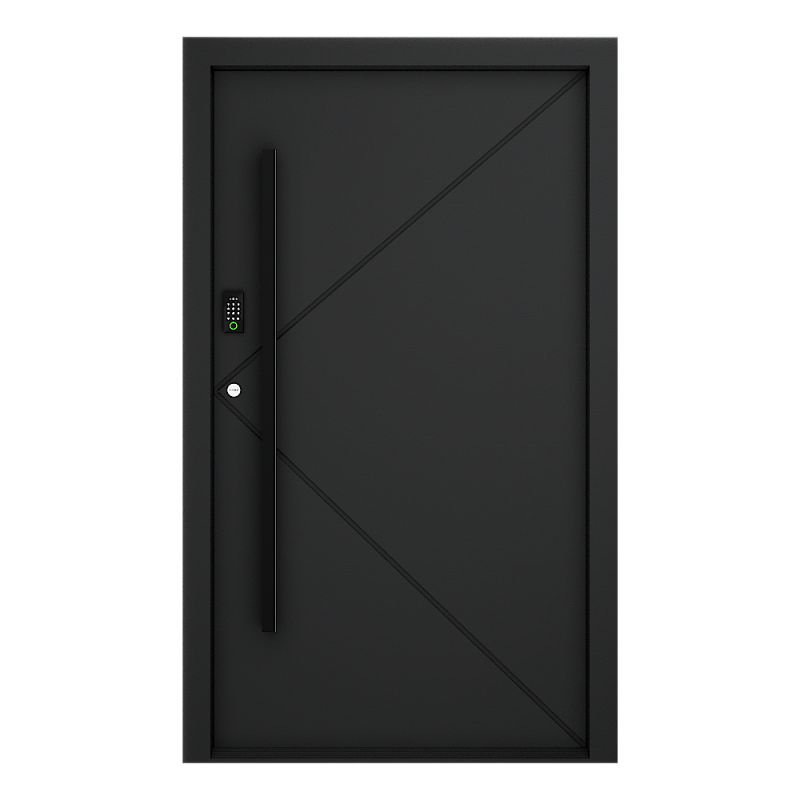
Three golden rules for selecting the right entry system
1) Prioritize measurable performance: require published U-factor, visible light transmittance, and tested water penetration numbers before purchase. These figures predict energy use and comfort.
2) Match hardware to application: specify multi-point locks, reinforced strike plates, and hinge reinforcement when the door includes large glass areas or will face heavy use. Hardware must be listed on the installation details, not optional add-ons.
3) Treat installation as part of the product: flashing, proper threshold alignment, and continuous weatherstripping are critical. A premium door with poor installation will underperform its specs—so plan for certified installers and a clear warranty pathway.
These rules narrow the comparison down to what genuinely matters in the long run; they also highlight where Zekin provides value—consistent hardware options, clear thermal data, and factory-backed finishing that reduce site variables. Zekin. — dependable detail, practical outcomes.
