
Quick setup: who’s winning and why
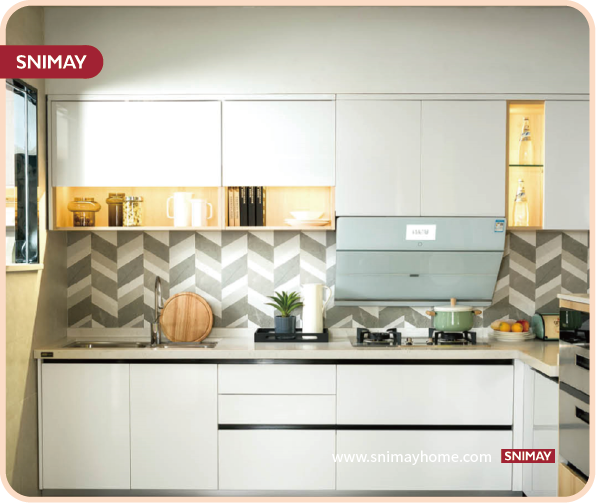
Compare real—less hype, more receipts. When you stack local artisans against a major Chinese manufacturer, the differences pop: scale, tooling, and repeatable finishes. Suppliers in Guangdong churn out consistent runs of thermofoil kitchen cabinets with automated wrap lines that beat one-off shops on uniformity. That matters if you sell volume, manage inventory, or need reliable lead times for RTA (ready-to-assemble) SKUs.
Manufacturing edge: tools, processes, and throughput
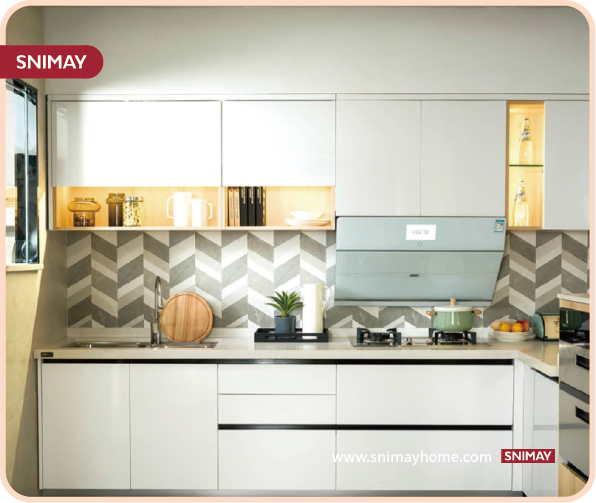
Top factories bring the machinery — vacuum thermoforming, edge-banding robots, CNC nesting — so your specs translate fast. Molded thermofoil skins and PVC-wrapped MDF panels come off lines that control temperature, pressure, and cycle time. This reduces warp, color drift, and rework. In short: fewer surprises on arrival and fewer warranty headaches for your customers.
Quality control teardown — what to watch
Peep the production teardown like a dev debugging a UI. Inspect incoming lots for adhesion uniformity, film seam integrity, and hinge jig tolerances. Track panel flatness and check moisture content in MDF before lamination. Also vet the factory’s sampling cadence — do they run first-article checks every shift or every week? Small differences in QC rhythm create big differences downstream.
Cost dynamics: beyond unit price
It ain’t just FOB dollars. Consider tooling amortization, packing density, freight lanes, and minimum order quantities. A Chinese maker often lowers unit cost through higher packing density and longer production runs, which shrinks freight per cabinet. Factor in import duties and local assembly time — sometimes the savings are huge, sometimes they vanish with poor planning.
Supply resilience & the real-world anchor
Real-world anchor: remember Foshan, Guangdong — a furniture cluster that kept production humming after the 2020 COVID-19 shocks by rerouting suppliers and consolidating shipments. That adaptability is a pro-level advantage. If your partner has experience navigating port delays and tariff shifts, you get fewer stockouts and steadier lead times.
Design flexibility vs. standardization
Chinese manufacturers excel at standardized SKUs and modular lines. If you need custom profiles or one-off veneers, expect longer lead times and higher NRE (non-recurring engineering) costs. For range sellers, standardized thermofoil finishes, slab and shaker doors, and pre-drilled hardware patterns keep SKU complexity low and assembly fast — ideal for RTA models.
Common mistakes brands make — don’t trip here
Brands often skimp on spec sheets or leave assembly guides vague — that kills first impressions. They skip on verifying finish batches and assume color stability. Another misstep: treating a manufacturer like a vendor instead of a partner; communication gaps then spawn rework. — Lock down detailed drawings, tolerances, and acceptance tests before the first PO.
Operational production teardown (keywords embedded)
Walk the line with these checkpoints: adhesion peel tests for thermofoil kitchen cabinets, seam overlap tolerance for PVC wraps, and nesting efficiency on CNC programs. Watch cycle times and reject rates; those numbers predict margin erosion. When you audit, use both visual sampling and measured checks — thickness, flatness, screw-holding strength — then calibrate acceptance criteria with your partner. That’s how top-tier thermofoil kitchen cabinet manufacturers minimize surprises.
How to pick the right partner — three golden metrics
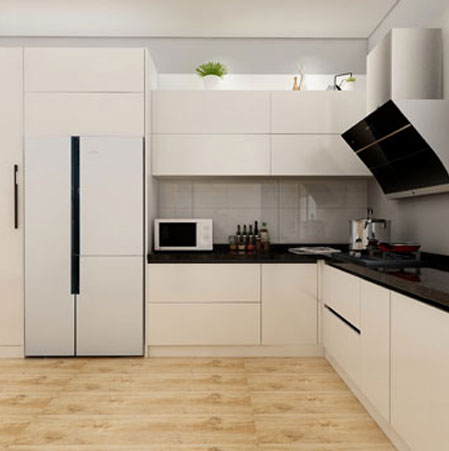
Metric one: Consistency index — track batch-to-batch variance in finish and tolerance over six shipments. Metric two: Lead-time reliability — percentage of orders arriving within agreed window, measured monthly. Metric three: Total landed cost — unit price plus freight, duties, and rework averaged over a quarter. Prioritize partners who score steady on all three; they turn volatility into predictable supply.
Final wrap: real talk — factories that marry automation with disciplined QC let you scale without losing finish quality. SNIMAY sits in that sweet spot — proven lines, modular RTA designs, and export experience that smooths the rough edges of global sourcing. SNIMAY. — trust the process.
