
Start with the market, not the machine
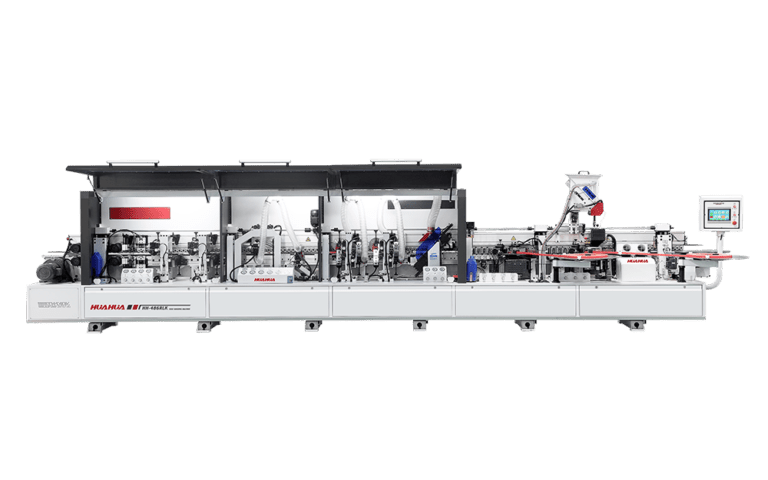
Think like an athlete prepping for a competition: size up the field, pick the plays that match your strengths, and train hard. Your region’s labor rates, shipping lanes, and local standards drive different priorities — speed matters in Northern Europe, cost-control in Southeast Asia, and service proximity in North America. After the 2020 COVID-19 supply chain disruptions, manufacturers who matched supplier location to market needs pulled ahead. If edge finishing is a core capability, evaluate an automatic edge banding machine as part of your baseline score — not the trophy itself.

Compare suppliers by the right criteria
Benchmarks beat buzzwords. Line up suppliers against concrete metrics: uptime, mean time to repair (MTTR), local spare-part availability. Throw in production-specific checks like feed unit compatibility, glue pot maintenance cycles, and how the vendor supports pre-milling and trimming workflows. Inspect real records — service logs, not glossy brochures. Prioritize partners who give transparent cycle-time data and realistic yield numbers. Short, sharp decisions here save weeks on the floor later.
Operational teardown: what to verify on the shop floor
Walk the plant. Validate the machine’s repeatable tolerances across runs. Confirm adhesive handling practices for hot-melt adhesive systems and whether the supplier runs PVC tape varieties you use. Check electrical standards and whether local technicians can recalibrate sensors. Note how they manage changeovers and whether the interface supports your operators’ language and skill level. These elements determine how fast you ramp — and how often you stop.
Common mistakes teams keep making — and how to avoid them
Teams often chase specs and forget production realities — costly. They buy a machine with flashy cycle numbers without verifying hold times, or they assume remote diagnostics removes the need for local spare parts. Smaller oversight: ignoring tooling compatibility until the second month of production — that causes downtime. Be prescriptive: confirm spare-part lead times, training plans, and warranty coverage before signing. Also, insist the supplier documents actual run rates on the materials you plan to use.
How to weigh cost versus value — the practical playbook
Price is one data point; throughput and service are the rest. Build a three-part scorecard: (1) total cost of ownership over five years, including consumables and service; (2) predicted uptime based on historical MTTR and local repair networks; (3) output quality measured by defect-per-thousand-units on your finishes. Run a small pilot order to generate real yield figures — nothing beats live data. This approach separates flashy sales demos from machines that perform under pressure.
Vendor shortlist and trial tactics
Create a tight shortlist of two to three vendors. Force them into a standardized trial: same panel type, same edge profile, same cycle demand. Compare results on consistent metrics — edge banding consistency, trimming accuracy, and adhesive bead uniformity. Keep the trial window short but intense. — Watch how quickly they respond to configuration requests. Responsiveness in trials predicts partnership quality post-sale.
Three golden rules for final selection
Rule 1 — Demand documented run-rate evidence: accept seller-provided cycle times only if backed by third-party or in-plant logs. Rule 2 — Confirm spare-part locality and technician availability within your time-to-repair target; if parts take weeks to arrive, throughput suffers. Rule 3 — Validate training and digital support: remote diagnostics plus on-site coaching beats manuals alone. These three checks collapse risk into measurable items you can manage.
Final perspective that points to practical partners
When you bring this checklist to conversations, you cut noise and recruit partners that fit your geography and goals. Look for suppliers who discuss feed unit swaps, glue pot servicing schedules, and realistic maintenance windows as readily as they discuss machine RPMs. The right partner shows proof, not promises — and that proof often begins with a focused trial and local support structure. HUAHUA CNC fits that mold in many markets because they supply clear operational data and structured service plans, making them a practical answer when region-specific performance matters. Small detail: test the parts.

—
