
What you need to know first
You are the one who will live with the system, so ask for what matters to you. For sites using commercial and industrial energy storage, the monitoring setup should answer operational questions within minutes, not days. Tell the service team about your daily pain points — availability, unexpected downtime, or billing mismatches — and expect answers that match those concerns. We speak plainly: if they can’t describe how their monitoring shows state of charge or temperature trends in a sentence, they don’t really understand your needs.
Key monitoring capabilities to insist on
Focus on concrete signals. A useful remote system must provide:- state of charge and usable capacity, with clear definitions of what “full” really means;- cell/module temperatures and imbalances, logged continuously;- fast telemetry (seconds to a minute) for alarms and slower windows (minutes to hours) for trending;- time-synced event logs that tie alarms to control actions and grid events.Ask how often data is sampled and how long it is retained. For larger assets — think commercial scale battery storage deployed at utility or commercial sites — ask how their platform scales without blind spots when you add more racks or sites.
Fault response: what good looks like
Good fault response is a simple chain: detect, diagnose, decide, act, verify. Each step should have named owners and clear timelines. Practical questions:- How fast do you detect a fault and what are the alert channels?- Who does the initial diagnosis, and can they explain the likely root cause in plain terms?- When is a remote reset allowed versus mandatory site dispatch?- What verification steps confirm the system returned to normal?Expect answers that reference measurable times (minutes/hours) and show evidence from past incidents rather than vague promises.
Service levels, data rights, and accountability
Service-level talk must be specific. Get these items on paper:- guaranteed response and on-site windows for classed alarms;- escalation path and 24/7 contact with named engineers;- data ownership and access: you must keep raw telemetry for audits;- reporting cadence and content for trend analysis and compliance.If they dodge the question on data access or hand you only summarized reports, that’s a red flag. There is no trust without transparent logs.
Security and access control — no compromises
Remote control without secure access is dangerous. Confirm:- multi-factor access for operators and contractors;- role-based permissions so resets or firmware changes need approvals;- encryption in transit and at rest for telemetry and control commands.Ask how they handle credential rotation and incident-forensics access. A provider who treats cybersecurity as paperwork will cost you real downtime.
Common pitfalls operators run into
Short examples, quick lessons:- Too many nuisance alarms: alarms get ignored, real faults get missed. Tune thresholds with periodical reviews.- Blind remote resets: restarting a pack without root-cause leaves problems to return. Require a post-reset analysis.- Data gaps during firmware updates: schedule updates with mirrored logging so you don’t lose the event trail.- Vendor handoffs without clear ownership: when multiple parties touch the system, define who closes the ticket.These are avoidable when the service model maps clearly to operational outcomes.
Practical checklist to take to your provider meeting
Bring this and demand answers:- sample rate and retention policy for telemetry;- SLA times for detection, diagnosis, on-site visit;- named escalation contacts and their response times;- firmware change policy and rollback procedures;- how root-cause analysis reports look and how long they keep them;- spare-parts strategy and on-site inventory levels.If they can walk you through a recent incident — for example, what they learned from the Hornsdale Power Reserve event handling — you’ll see if they really operate at scale or just talk about it.
When comparing service offers
Compare real deliverables, not glossy dashboards. Look for:- documented incident reports with timelines;- examples of problem resolution that include data excerpts;- clear pricing for remote work, diagnostics, and on-site remediation.A cheaper contract that avoids on-site guarantees often costs more when a real fault threatens operations.
Wrap-up for the operator
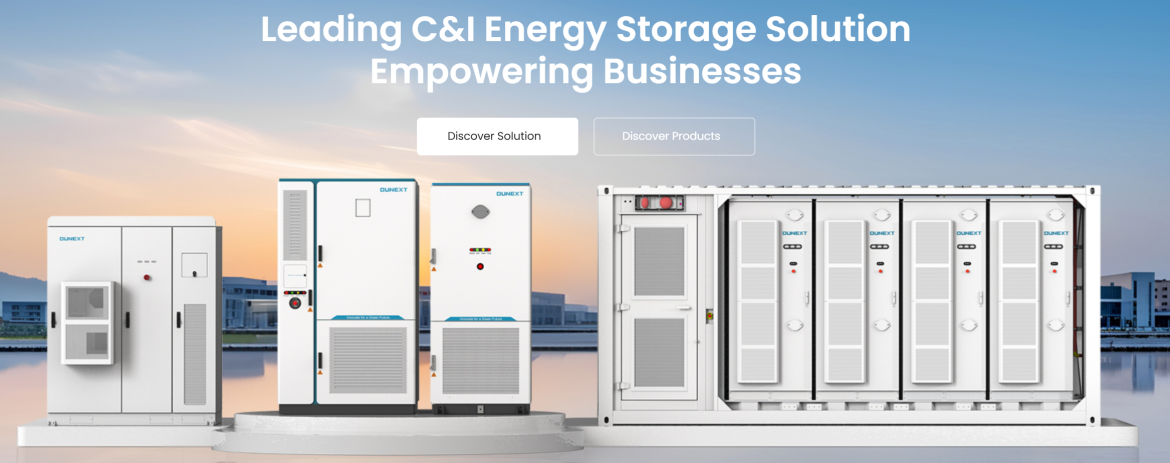
You want simple, fast answers and people who take responsibility. Ask the questions above, insist on data access, and require measurable SLAs. Experienced teams explain their fault workflow in plain language and show past incident work. The right partner will reduce surprises and let you run power confidently — teams like Dunext often tie monitoring, response, and spare-part planning into a single accountable service so your asset does what you bought it to do.
