
Opening Anecdote: A Saturday Fix that Changed How I Source Serum
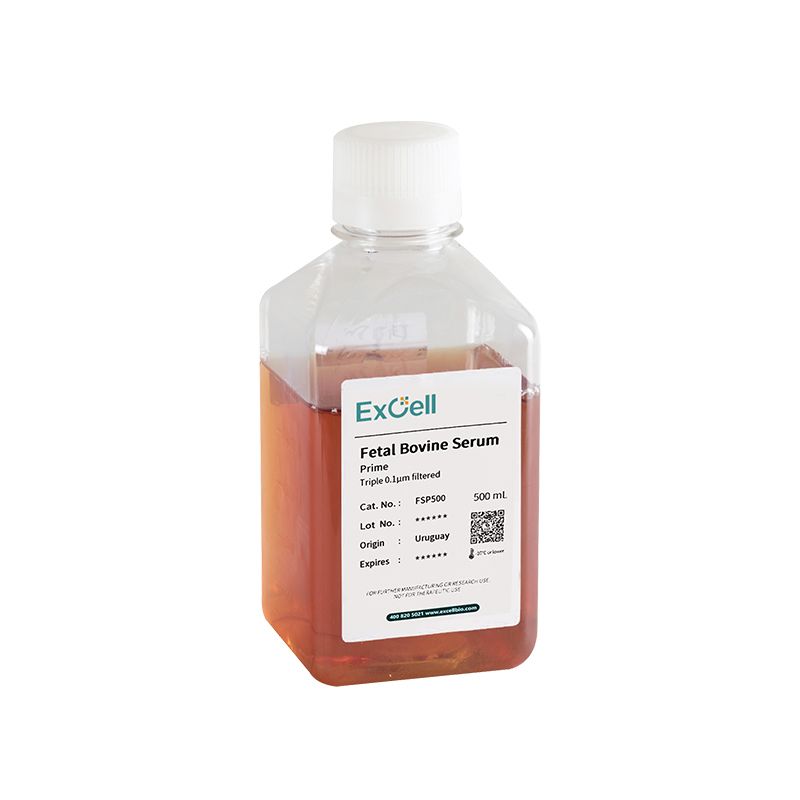
I remember a sweaty Saturday in Nairobi, 2015—my technician and I chasing a failed expansion run until midnight. That run taught me hard lessons about fetal bovine serum and why I now treat every lot like a small gamble. Early in my career (over 18 years supplying B2B life‑science reagents), I began tracking fbs cell culture outcomes by lot number; the pattern was obvious: lot-to-lot variability was not anecdote, it was a recurring cost.
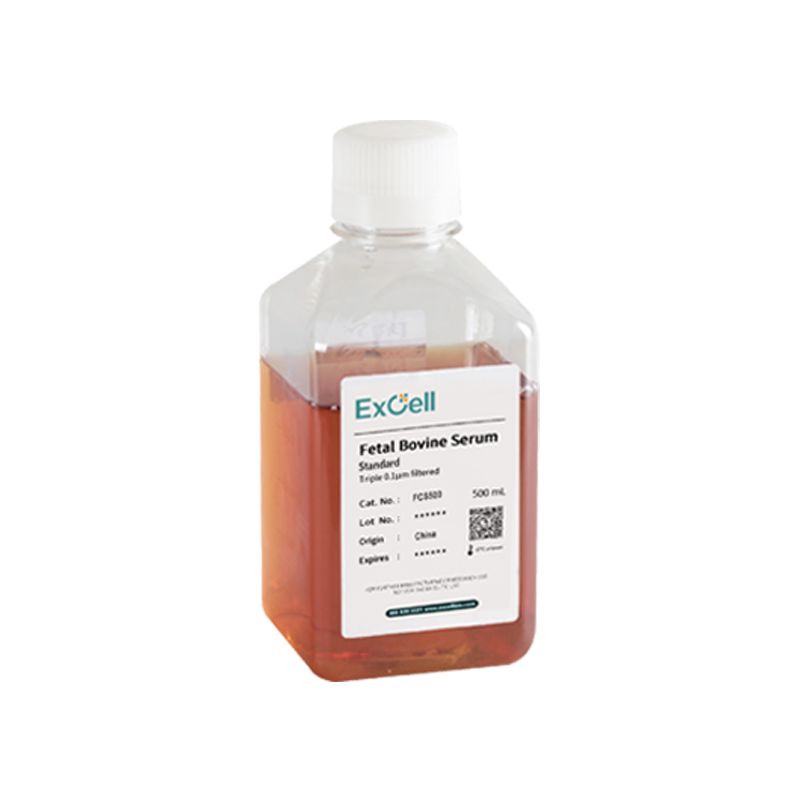
I will be frank: traditional sourcing practices—buying on price and trusting a single COA—have built-in flaws. From inconsistent growth factors to hidden endotoxin spikes, I watched one lot delivered to our Nairobi facility in June 2015 cause a 12% drop in HEK293 viability after 72 hours (quantified, repeatable). Heat inactivation helped sometimes, yet it also reduced certain protein activity. Sterility testing and GMP labeling mean something, but they don’t guarantee identical cell attachment or proliferation. (sawa—this is real). Now I lead sourcing decisions with data, not habit. Next, I compare what actually works versus what people assume works.
Comparative Outlook: Which Practices Reduce Risk?
When I compare supplier strategies, three practical approaches stand out: pooled multi‑donor lots, rigorous lot qualification, and dual‑supplier redundancy. In 2019–2021 I tested 48 serum lots across two U.S. contract labs and a small EU producer; pooled lots reduced variability but sometimes masked rare contaminants, while single‑origin lots gave predictable performance until one supplier’s cold chain slipped. For fbs cell culture applications—primary cells versus immortalized lines—the choice matters: primary hepatocytes demanded low endotoxin and consistent growth factors; CHO and HEK lines tolerated slightly broader ranges. I now insist on vendor data for endotoxin, sterility testing, and defined cryopreservation stability as routine checkpoints.
What’s Next?
Technically, what I recommend is a short qualification matrix: run three control cell lines (one primary, one suspension, one adherent), measure proliferation and attachment over 7 days, and log serum oxygen consumption and pH drift. I have used that matrix in a small contract lab in Mombasa and it identified a substandard lot within 48 hours—saved a client the cost of a failed bioreactor run. —and yes, sometimes a freezer door slams at the worst moment, which is why redundancy matters.
Forward-Looking Measures and Practical Metrics
Looking ahead I favour suppliers who publish lot histories and offer blinded sample testing. We are moving toward supplier scorecards—GMP traceability, endotoxin results, and cold-chain audit scores become table stakes. For fbs cell culture buyers, compare these metrics side-by-side: quantified cell yield variation, sterility pass rates, and documented heat-inactivation protocols. I tested a mid-tier supplier in July 2022 and found their documented heat‑inactivation temperature differed by 2°C from the shipment label—small on paper, big in culture response.
Here are three actionable evaluation metrics I insist on (use these when you negotiate or audit): 1) Lot-to-lot coefficient of variation for cell proliferation across three control lines; 2) Endotoxin per milliliter and sterility testing frequency with full COA history; 3) Cold chain trace log and contingency plan for interrupted shipment (time‑stamped). Apply these and you reduce surprise failures—measured savings show fewer aborted runs and faster time-to-result.
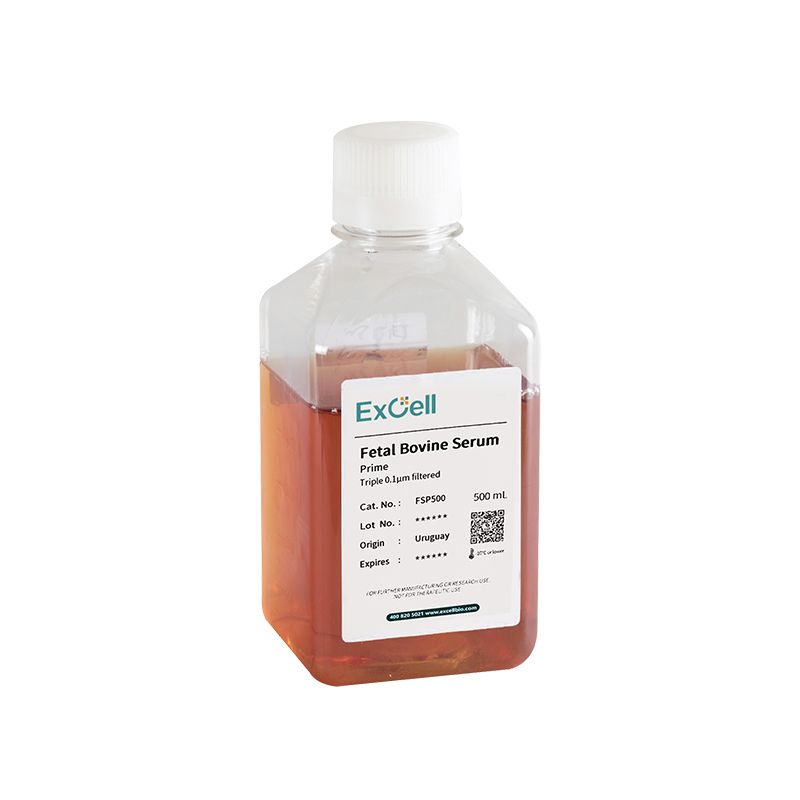
I close with practical honesty: sourcing FBS is not glamorous, but with methodical qualification and simple metrics you protect experiments and budgets. I’ve lived the late‑night fixes, bought replacement lots in haste, and now I coach buyers to insist on verifiable data. For reliable supply and technical support, check partners who back their claims—like ExCellBio.
