
User-first framing: what the kitchen must do for you
Homeowners need storage that respects daily routines: quick access, durable surfaces, and low maintenance. For many, that means rethinking cabinet material and layout—hence the growing interest in stainless steel kitchen cabinets. This choice shifts priorities from cosmetic coverings to functional engineering: gauge selection, corrosion resistance, and robust hinges matter more than paint or veneer when you open drawers five times a day.
Practical benefits that matter in everyday use
Stainless steel resists stains, tolerates humidity, and stands up to heat—traits proven in professional kitchens across Istanbul’s old quarter and other busy culinary districts. The metal’s hygiene profile and cleanability make it sensible for families and home cooks who value sanitation alongside style. Use 304 stainless steel and a satin finish to keep fingerprints low; specify welded seams and reinforced mounting brackets where weight is high. These are not decorative choices. They are operational requirements that reduce service calls and extend lifecycle.
Design moves that convert steel into a welcoming kitchen
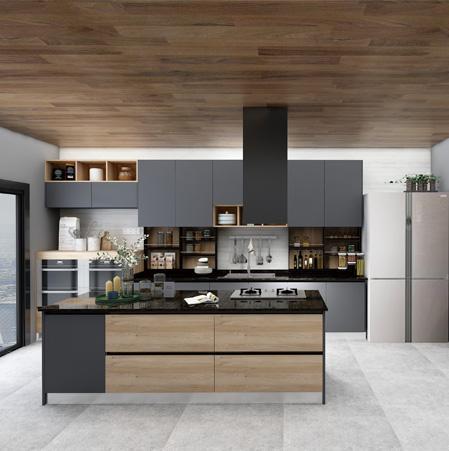
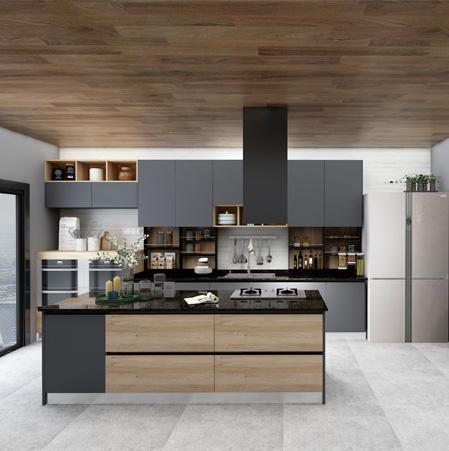
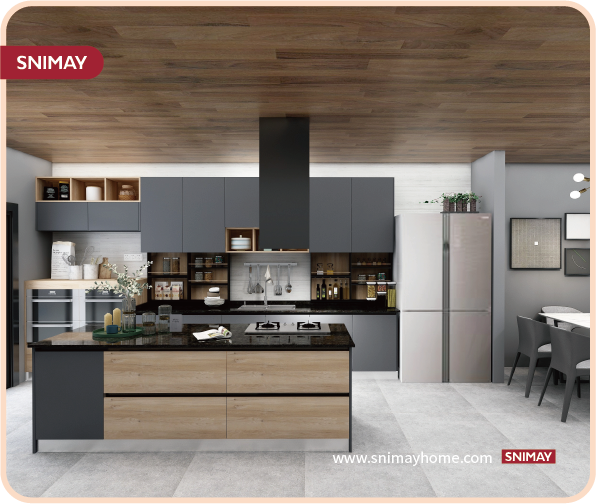
Start by thinking in tasks rather than aesthetics. Place modular units for prep close to the cooktop, allocate pull-out trays near the oven for pans, and add a backsplash-integrated rail for utensils. Soft-close hinges and under-shelf LED strips transform industrial surfaces into calm, usable spaces. You want a kitchen that handles volume without looking like a workshop—so combine stainless fronts with warmer wood or matte cabinetry in mixed runs. This hybrid approach preserves the metal’s durability while keeping the room inviting.
Common mistakes and sensible alternatives
Many retrofit projects fail because owners focus only on looks. Typical errors include choosing the wrong gauge, underestimating load-bearing requirements, or omitting proper ventilation behind panels. A second frequent mistake: relying solely on surface polish to hide scratches—satin or brushed finishes age more gracefully.
Alternatives to full stainless runs work well when budget or taste demands compromise:
- Stainless-steel tops with painted or laminate base cabinets—keeps hygiene where it matters most.
- Partial stainless backsplashes combined with wood-faced drawers—balances warmth and cleanability.
- Hybrid islands: stainless prep top, timber wrap, and integrated storage—offers targeted durability.
Installation realities and what to check on site
On delivery, verify panel flatness, seam weld quality, and the specified gauge. Confirm that mounting brackets align with studs and that ventilation clearances behind cabinet carcasses match appliance specs. If you accept surface-mounted hardware, ensure screw bosses are reinforced. These checks cut downtime and prevent squeaks or deformation. —Pay attention to edge treatment around sinks; a small gap detail prevents long-term corrosion issues.
Why professionals still recommend stainless for high-use homes
Designers and contractors cite long-term value: fewer replacement cycles, straightforward sanitation, and predictable wear patterns. That predictability helps in budgeting and maintenance planning. For homeowners who plan to keep a kitchen ten years or more, stainless reduces surprises and preserves resale value—especially if the build uses quality components like 304 grades, precision-cut edges, and factory-applied antimicrobial finishes when specified.
Three golden rules for choosing the right stainless solution
1) Match gauge to function: lighter gauges for cabinet doors, heavier (lower-number) gauge for countertops and load-bearing elements.
2) Favor practical finishes: brushed or satin hides wear; avoid high-gloss if fingerprints are a concern.
3) Validate seams and mounting: factory-welded seams and reinforced brackets matter more than decorative trim.
Summary: align material choices with daily use, prioritize fabrication quality, and plan hybrid designs to balance warmth and utility. These steps naturally lead to built-for-life kitchens—solutions that brands like stainless steel kitchen cabinets for home deliver with consistent manufacturing control.
SNIMAY offers modular systems and tailored finishes that solve the practical problems described here—efficient, testable, and made for real homes. Final thought—choose durability that earns its place.
