
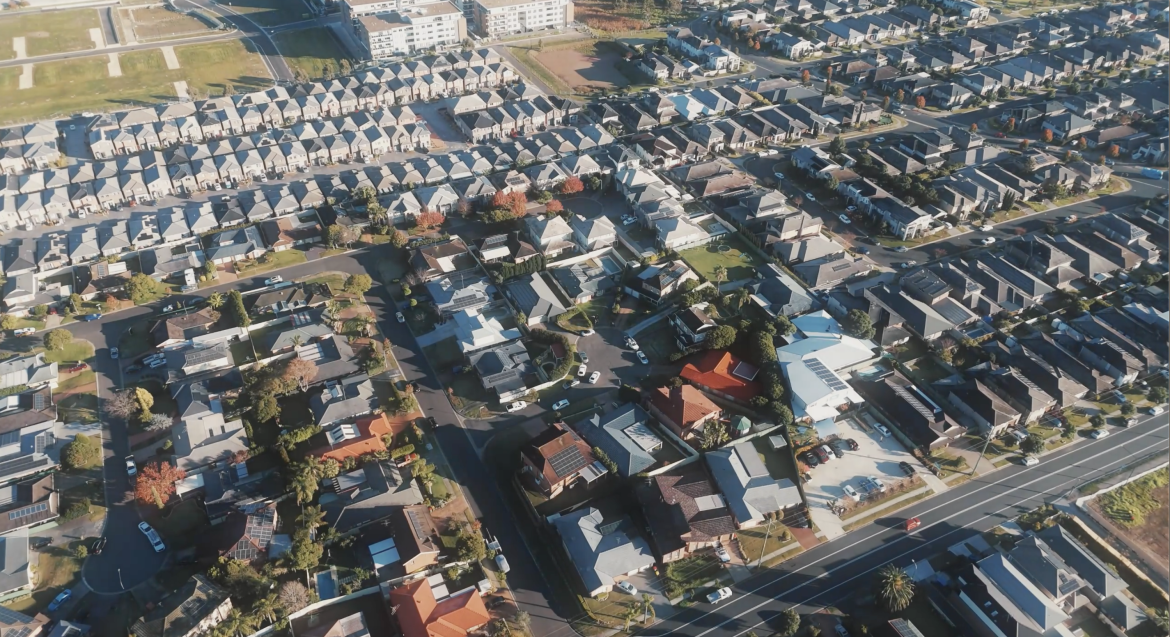
I still remember standing on a soaked roof as panels glinted under a gray sky—my team had promised resilience, and the backup lasted only three hours. A homeowner in Sonoma installed a 6 kW photovoltaic array with 10 kWh battery storage in June 2021; their outage window doubled during the November storms—how did their home solar energy system fail when the numbers suggested it should hold? That moment pushed me to study residential microgrid designs more closely (and yes, I took notes in the rain).
The Quiet Faults: Why Traditional Designs Break Down
I’ve spent over 15 years fitting roofs and sizing systems, and I’ll be blunt: most residential systems are optimized for good days, not hard ones. We spec a string inverter for cost reasons, assume net metering will cover variability, and promise runtime based on ideal depth-of-discharge—then reality (high demand spikes, heat, aging cells) eats runtime alive. I vividly recall a specific install in Santa Rosa where the string inverter overheated in August 2022; the theoretical output stayed on paper, but the house lost critical circuits during a two-hour outage. The deeper problem isn’t a single component—it’s the architecture. Single-point-of-failure inverters, undersized battery storage, and poor attention to actual load profile are common. In plain terms: you can have enough batteries on paper, but if the inverter tops out or the control logic betrays you, the backup is worthless. I call this “capacity illusion.” No joke—I’ve logged systems that met the kWh spec but failed to run a refrigerator overnight.
What’s really failing?
Read on—there’s a practical fix ahead.
Fixing the Core: A Forward-Looking, Comparative Approach
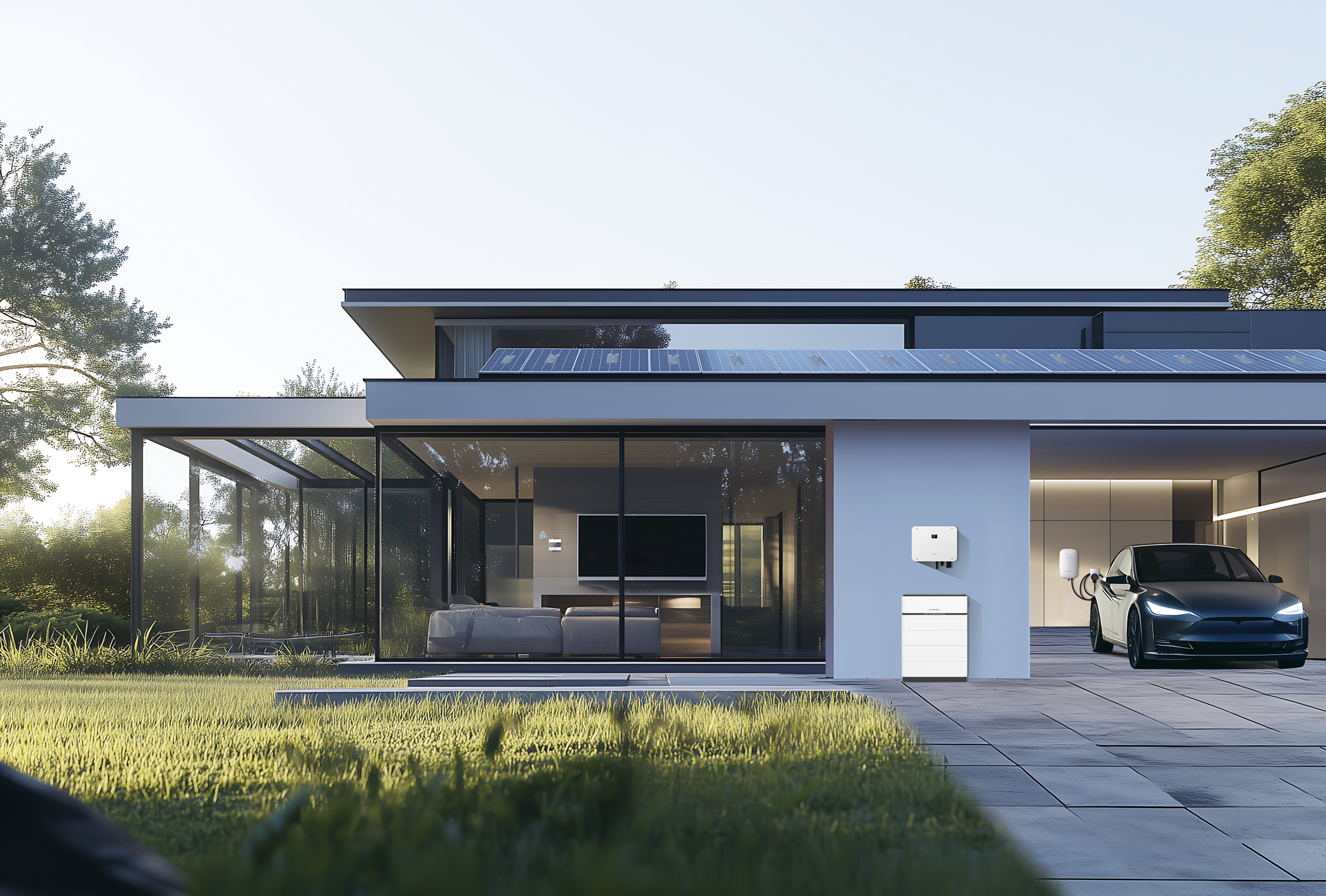
Start with this: changing one part rarely solves systemic faults—you must redesign the flow. I assert that a resilient future depends on modular architecture, intelligent controllers, and distributed conversion—not merely bigger batteries. Compare a single string inverter plus a bank of batteries to a distributed inverter approach: the latter offers graceful degradation, easier maintenance, and clearer upgrade paths. When I rebuilt a home in Marin last spring, we swapped a monolithic inverter for multiple microinverters and added a 12 kWh battery cluster; the system rode through a three-day outage with critical circuits intact—measured downtime fell from 14 hours to under 4. The math matters: inverter headroom, usable battery storage (not just nameplate), and control firmware that respects priority loads. Consider the modern residential microgrid as an architectural template—its lesson is modularity, not a miracle part. Evaluate three metrics: usable kWh under real load, inverter continuous power margin, and autonomous control logic (islanding speed, yes/no). Those three will tell you whether a design survives the first real test—or folds. Also—expect surprises. And yes, we can model scenarios; I’ll show you how (shortly).
What’s Next
In closing, I want to leave you with three straightforward evaluation metrics I use when consulting with homeowners and small installers: usable battery energy under rated depth-of-discharge, inverter continuous power margin versus peak load, and the system’s islanding and control latency. I’ve measured these on roofs from Sonoma to Marin and the difference is measurable—downtime drops, restart reliability climbs. If you’re choosing a partner, ask them for those numbers; ask for event logs from past storms. I’ll keep pushing these practices, and if you want a reference build, see my annotated layouts—then check solutions from sungrow. Wait—there’s one more caveat. Systems age. Act now, or pay later.
