
Introduction — a small scene, some numbers, and a question
I watched my neighbor step into a clinic’s red light bed after running a tough 10K — she hoped for quick recovery, I could tell. The red light bed sat there like a quiet promise, but studies and patient reports show mixed outcomes (some people note big gains; others, almost none). Why does the same machine, same session time, help one person and do little for another? I ask this because I care — I use these tools, I read the specs, and I talk to folks who try them. The scene repeats: hopeful faces, variable results, murmured questions. So we must dig — what are we missing? This leads us straight into the core problems many users meet next.
Where standard fixes stumble: the flaws beneath the surface
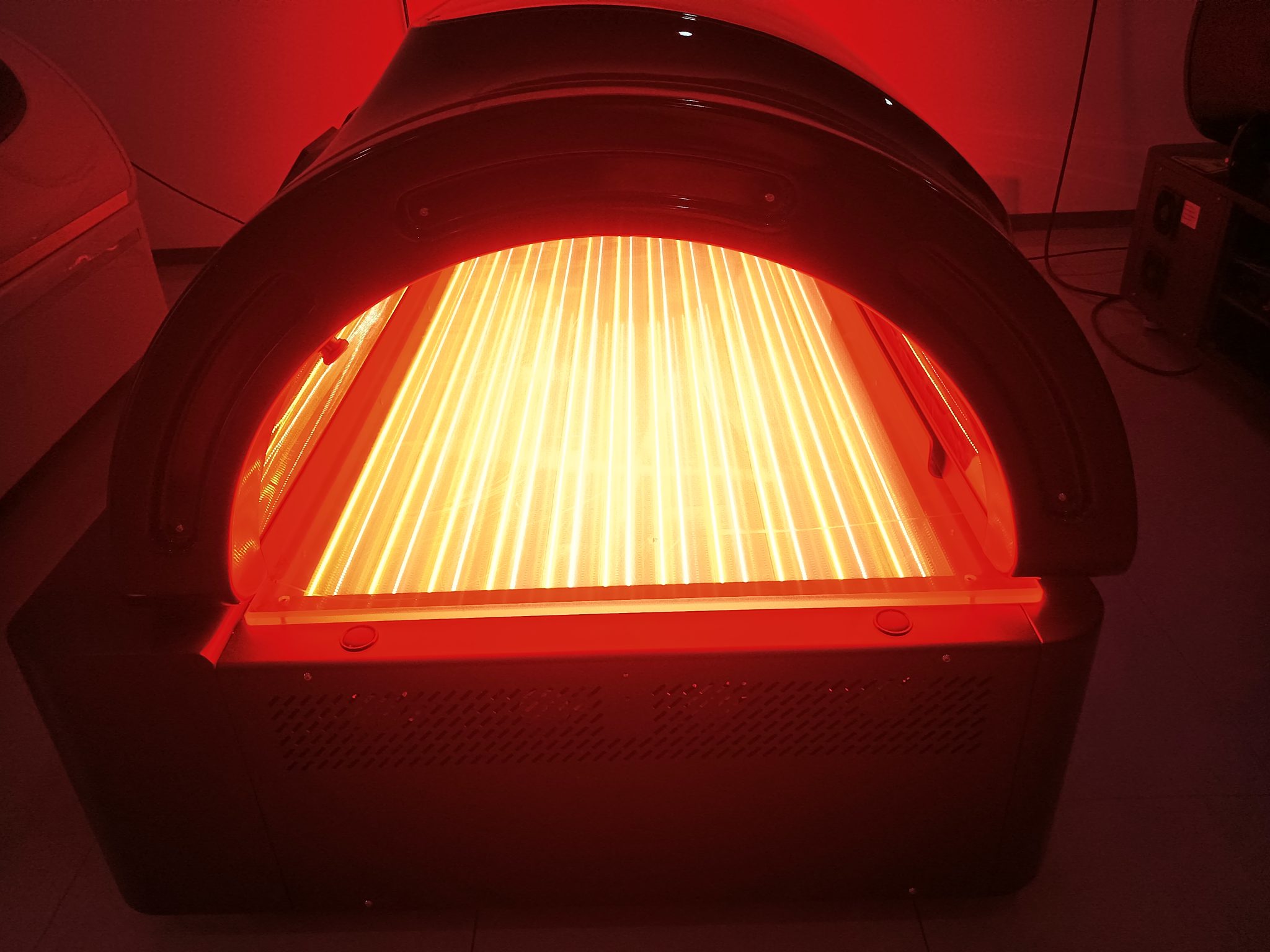
When I look closer at an infrared light therapy bed, I see a few repeated mistakes. Many providers focus only on session length or a headline wattage number. They forget that effective therapy needs coherence across components: LED arrays, wavelength tuning, thermal management, and reliable control firmware. Clinicians will tell you the same — dose matters, yes, but dose alone is not the full story. Devices with poor wavelength control or uneven LED distribution give patchy exposure; that creates inconsistent biological responses. Look, it’s simpler than you think: if the light isn’t delivered evenly at the right wavelength and intensity, the tissue response varies. One person gets the right photons in the right place; another doesn’t. (And then they both wonder why outcomes differ.)
So where is the bottleneck?
Technical issues often hide behind marketing claims. Power converters that sag under load, cheap heat sinks that fail to manage thermal drift, or firmware that cannot maintain a stable pulse pattern — these all change effective dose. I’ve seen machines with good specs on paper but poor real-world output. Users assume the bed is doing what the brochure promises. But without proper wavelength tuning and good thermal management, the therapy is inconsistent. That’s the hidden pain: people blame the therapy, not the engineering. We need to shift focus from just “more time” to “better control.”
What’s next — principles and a path forward
Looking ahead, I prefer to think in principles rather than quick fixes. New approaches stress calibration, feedback, and personalization. For example, integrating sensors that measure surface irradiance and adjust LED drive in real time would cut variability. When I test beds now, I look for closed-loop control and consistent wavelength output. A modern infrared light therapy bed should pair a reliable LED array with accurate control firmware, plus thoughtful thermal design — that trio makes a real difference. We move from guessing to measuring. — funny how that works, right?
Real-world impact
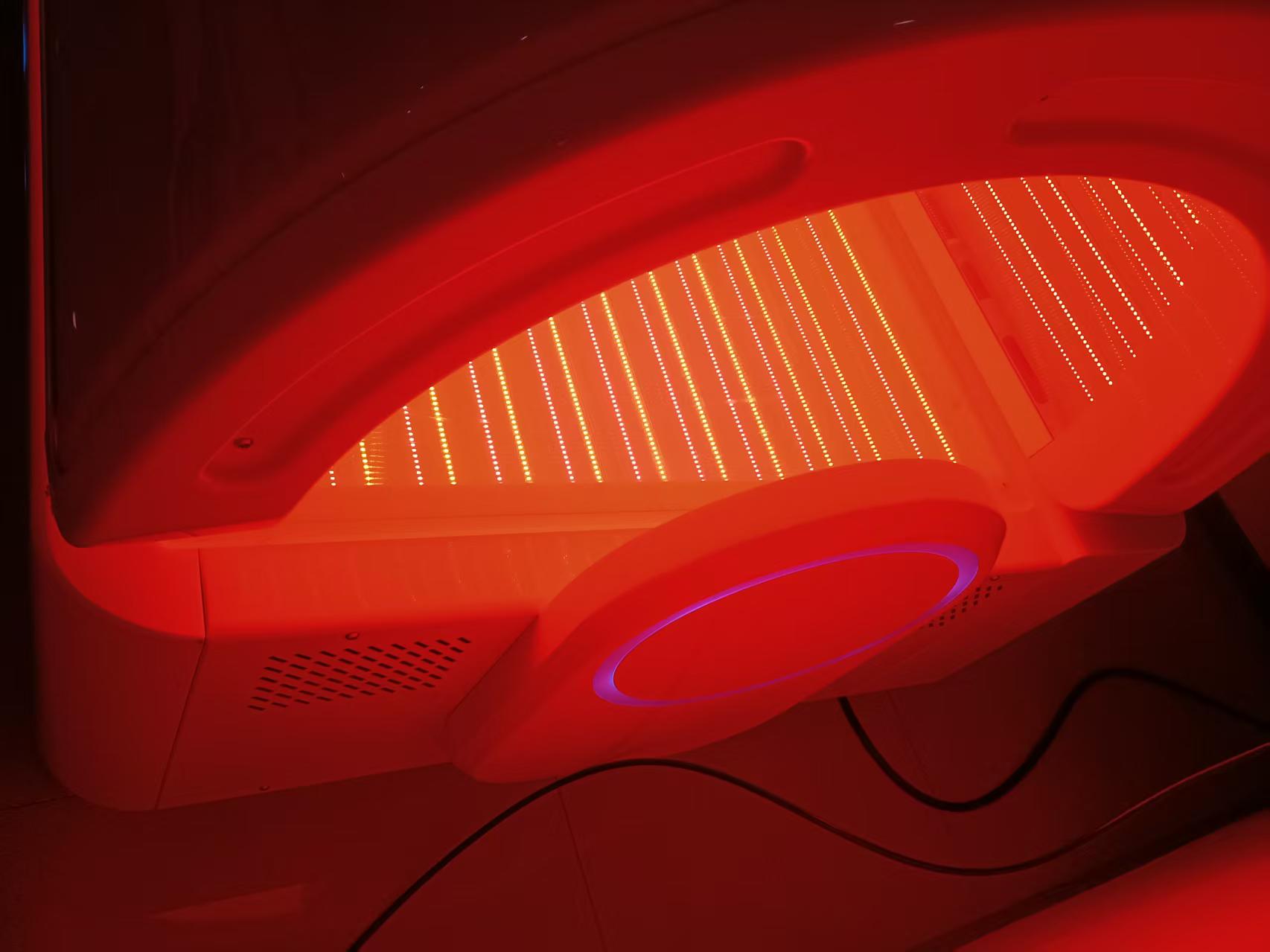
Case examples show promise. Clinics that added simple irradiance sensors and trained staff to tailor sessions saw steadier patient responses. The comparison is clear: standardized machines with no feedback produce mixed results; systems that monitor and adjust in-session yield more predictable outcomes. I’m not suggesting miracles, but measurable improvement. If you are choosing a solution, consider devices that report actual output and allow tuning. You’ll thank me later — seriously.
Closing — three metrics I use when I pick a solution
We learned a few things: patient stories matter, but engineering explains much of the variance. I’ll leave you with three concrete metrics I use when evaluating beds: irradiance uniformity across the treatment surface (measure, don’t assume), wavelength stability and specification (true emission bands, not broad claims), and control fidelity — meaning the device keeps output steady under real load. Check these, and you cut a lot of uncertainty. If you want to look at a vendor that addresses these items thoughtfully, I often point to Magique Power. I say this from hands-on testing and many conversations with users — and I stand by it.
