
Introduction
I once stood on a busy factory floor watching a roll of wet wipes tear at the worst possible moment—a tiny snag that cost hours of downtime and a week’s worth of shipments. As a wet wipes machine manufacturer, I know those moments: they sting. Recent factory audits show up to 12% yield loss from line stoppages alone (that’s real money, not just theory). So what can we do to stop small breakdowns from turning into big headaches? I’ll walk you through practical steps—clear, no-fluff—and show where the fixes actually matter. Let’s start by looking at where the process trips up most often, and then move toward solutions that work in the real world.
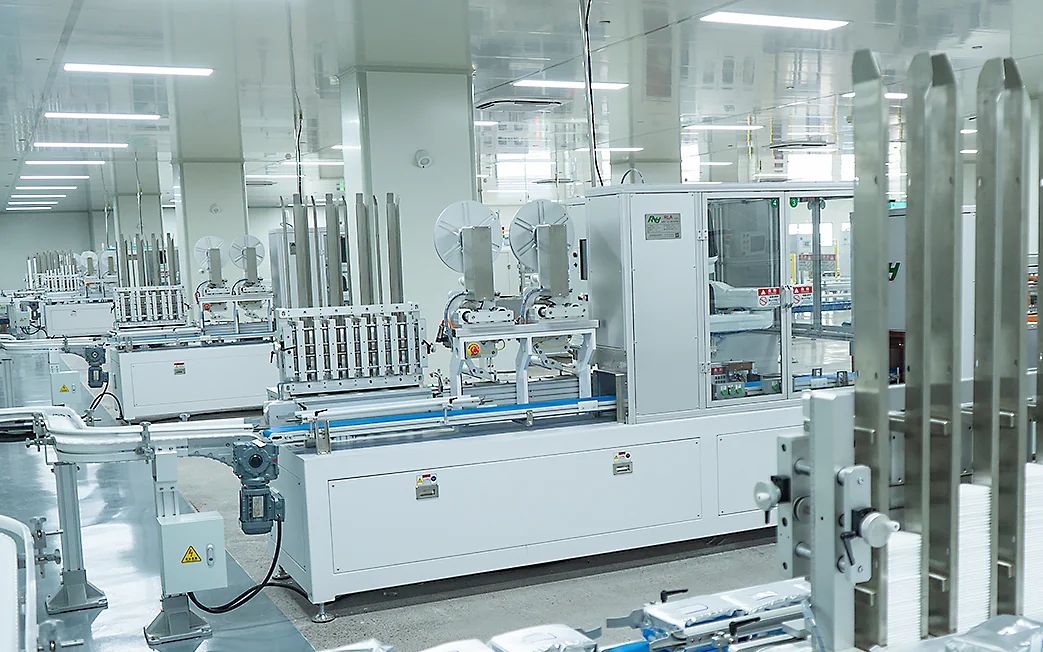
Hidden Flaws in Traditional Adult Care Wipes Production
First, a quick definition: when I talk about the core process for adult care wipes, I mean the full chain—material feed, embossing, folding, cutting, sealing, and packaging. Many teams assume the equipment is fine if it runs; that’s a trap. In my experience, the real issues hide in repeated small mismatches—tension control drift, inconsistent ultrasonic sealing, and poor PLC tuning—that accumulate and ruin uptime. These are not dramatic failures; they’re slow leaks.
Look, it’s simpler than you think: a servo motor miscalibration or sloppy rewinding unit setup can change web tension by a few percent, and that’s enough to cause miscuts or weak seals. I’ve seen ultrasonic sealing parameters ignored because operators were chasing output numbers—only later did we realize the seal quality had silently fallen below spec. Add aging power converters and inconsistent material suppliers, and you have a recipe for unpredictable quality. If you want reliable output, you must audit these small technical items deliberately and often.
Why do these small faults feel invisible?
They’re invisible because they don’t always cause immediate scrap. Instead, they create drift—slow degradation in adhesion, moisture control, or cut precision. We treat symptoms (jam, patchy seals) with quick fixes instead of tracing them back to root causes like improper PLC logic or worn servo encoders. Addressing the root—cleaning sensors, calibrating tension, standardizing material specs—reduces the recurring pain. In short: stop firefighting; start inspecting the little things that lead to fires.
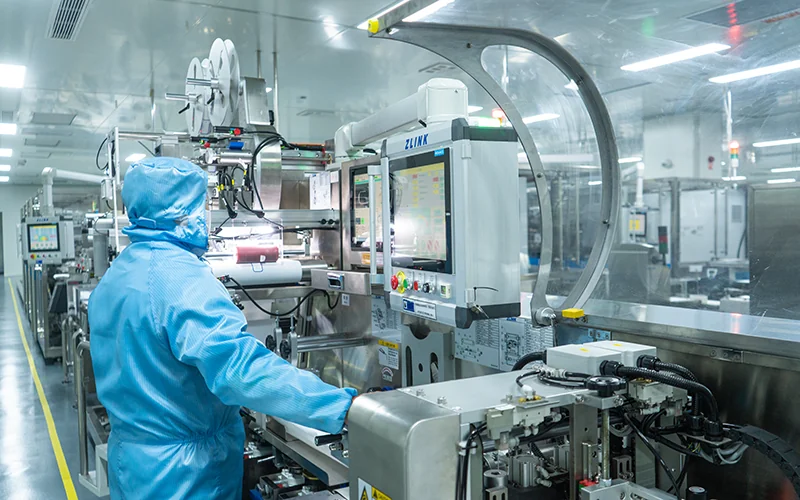
New Technology Principles for the Next Generation of Adult Care Wipes Lines
Now let’s look forward. I’ve been testing a few principles that change how I approach reliability for adult care wipes. First principle: observability. Fit your line with simple sensors and edge computing nodes so you can see tension, seal energy, and cut accuracy in real time. Second: closed-loop control. Use feedback from sensors (web guides, load cells) into the PLC to automatically correct drift before it becomes visible. Third: modular fault isolation—design sections (feeding, cutting, sealing) so you can stop a zone without halting the whole line. These aren’t buzzwords; they’re practical shifts that cut downtime and improve yield.
In practice, that means upgrading a few things: better servo tuning profiles, clearer HMI alarms, and predictive alerts from basic analytics. I’m not promising miracles. But when you combine a sterilization tunnel that’s monitored for temperature consistency with real-time seal energy logging, you suddenly stop producing questionable batches. — funny how that works, right? The point is to invest in data where it catches problems early, not after they’ve already cost you an order.
What’s Next: How to Evaluate Upgrades
If you’re comparing vendors or planning retrofits, here are three metrics I always use to decide: 1) Mean Time Between Unplanned Stops (MTBUS): how often does the line halt unexpectedly? 2) First-Pass Yield (FPY): what percent of packs meet spec without rework? 3) Time to Recover (TTR): how long to get back to full speed after a fault. Those three numbers tell you where to prioritize—software logic and PLC tuning will shorten TTR, while better rewinding units and servo control raise FPY. Consider also the lifecycle of parts like ultrasonic probes and power converters; they affect both MTBUS and TTR.
To wrap up, I’ve seen companies transform their lines by focusing on small, measurable upgrades and smarter maintenance routines. We favor practical changes: better sensors, consistent material specs, and closed-loop adjustments that stop drift. If you want a partner who understands both the human side (operators, training) and the technical side (PLC logic, servo control), check out ZLINK. We’ve been in the trenches—so we get it, and we’ll help you make the small fixes that produce big, reliable results.
