
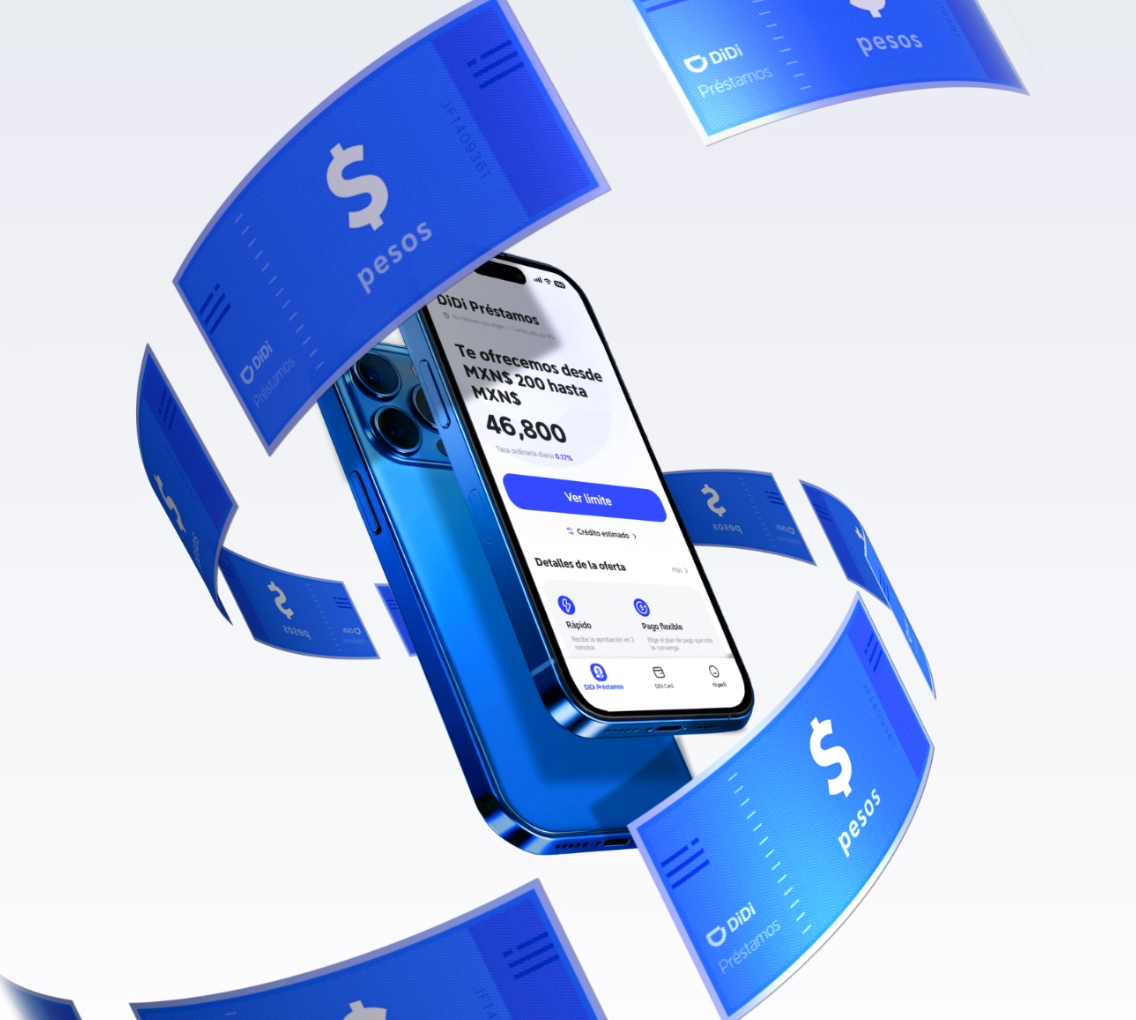
Introduction — why compare Pay Later systems now
Buy-now-pay-later solutions are an operational layer in urban mobility finance; their design affects cash flow, user retention, and merchant acceptance. This comparative analysis starts with the technical behavior of DiDi’s installment product and how it aligns with card-based alternatives such as the didi card. The goal: identify where hidden savings and rewards actually arise, and where friction and costs hide beneath attractive UX.
Product anatomy: core components and expected flows
At the protocol level, a Pay Later product consists of a credit line allocation, a transaction routing mechanism, and a settlement cadence. For DiDi’s implementation that translates to an embedded authorization flow, merchant integration with DiDi’s payments stack, and fixed or dynamic installment schedules. Key indicators to inspect programmatically include APR, payment delta between installments, and merchant fee pass-through. These are the variables that determine whether consumers see net savings or incremental expense.
Comparative analysis: DiDi Pay Later vs. tarjeta didi and generic BNPL
Contrast points are straightforward: interface, underwriting, and reconciliation. DiDi’s in-app underwriting leverages trip telemetry and account history to set short-term credit lines, which reduces initial friction compared with a full-credit-card onboarding. The tarjeta didi offers a different trade-off: higher acceptance across merchants but longer provisioning and formal credit checks. Generic third-party BNPL providers often carry flat merchant fees and variable APRs. In practice, DiDi’s merchant-integrated flow yields faster approvals and tighter reconciliation; but card-based acceptance remains superior for non-transport purchases.
Practical mechanics: how consumers derive savings and rewards
Savings come from three technical channels: timing of settlement (float), reward cadence, and avoided interchange fees. DiDi’s product can create short float benefits for users when settlement is timed after earnings or reimbursements — effectively optimizing user liquidity. Rewards are typically fractional credits tied to ride frequency or promotional cycles; they compound predictably if the rewards cadence aligns with user behavior. Implementation note: track reward vesting and expiration programmatically to measure true effective yield.
Operational risks and common mistakes
Teams implementing or choosing between these products often miss three failure modes: underestimating default correlation with seasonal demand, over-indexing rewards to acquisition at the expense of margin, and neglecting fraud-prevention telemetry. The latter is crucial — ride-based signals (GPS traces, trip duration) are strong predictors for automated underwriting, but they must be integrated with anomaly detection to manage chargebacks and synthetic accounts. Governance matters; this is not purely a UX decision.
Alternatives and hybrid strategies
Consider hybrid models: use an embedded Pay Later for in-network purchases (rides, food) and a co-branded card for broader retail. That split preserves the liquidity and rewards optimization DiDi can provide while maintaining merchant breadth via a card. Another practical path is a tiered credit line—automatic low-limit approvals with optional escalation after behavioral validation. These approaches reduce exposure and keep acquisition costs in check.
Advisory: three critical metrics to evaluate Pay Later strategies
1) Net Cost to User (NCU): measure total user payments including fees and lost reward value, normalized by purchase size. This reveals whether a product truly saves money or merely defers cost.
2) Conversion-to-Active Rate: ratio of approvals to users who complete at least one repayment cycle. It captures underwriting efficacy and product fit in the real-world funnel.
3) Reconciliation Latency and Dispute Rate: monitor time-to-settlement and frequency of chargebacks. Short settlement with low dispute rate reduces operational burden and preserves merchant relationships.
Conclusion
Comparative evaluation shows DiDi’s Pay Later mechanics excel where transport telemetry and in-app flows reduce friction and enable targeted rewards; a tarjeta didi or co-branded card remains preferable for broader merchant coverage. For teams optimizing product selection, emphasize measurable metrics—NCU, conversion-to-active, and reconciliation health—and align the instrument to the transaction context. The practical result is reduced unit cost and better user retention when instrument design matches purchase patterns. DiDi Finanzas
