
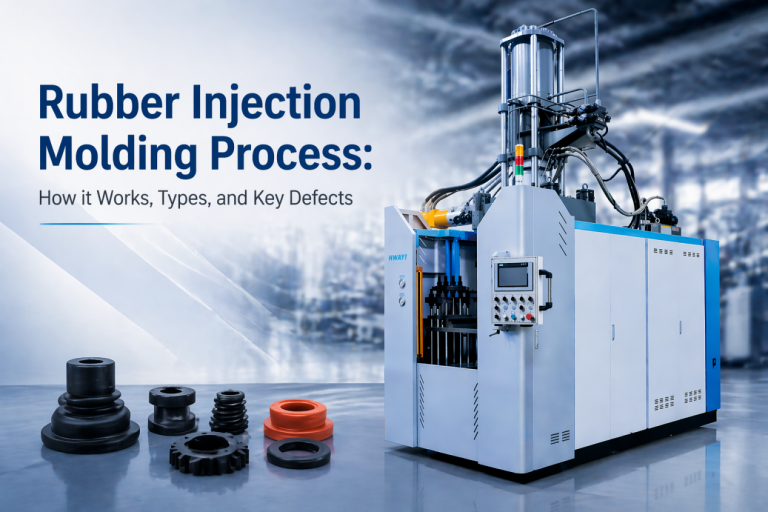
The problem: cascading failures that steal capacity
Giga-scale plants run on rhythm — steady cycle time, exact clamping force, precise barrel temperature. When a single servo motor or mold starts to fail, that rhythm collapses and losses multiply. Teams face repeated unplanned stoppages, spare-part chaos, and opaque root causes. Start here: plan before failures. If you’re sourcing equipment, align with a trusted rubber injection molding machine manufacturer that designs for maintainability and serviceability.
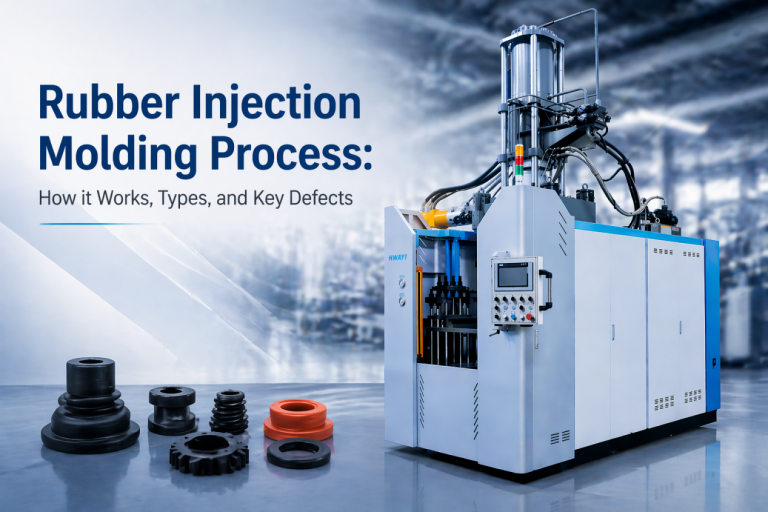
Core preventative stratagems for vertical injection lines
Preventative maintenance is a set of deliberate actions, not wishful thinking. Focus on three pillars: condition monitoring, standardized procedures, and rapid spares logistics. Condition monitoring uses simple sensors—vibration, pressure, temperature—attached to critical points like the injection unit, hydraulic pump, and mold cavity. Standardized procedures lock in the data: torque specs for tie bars, daily checks of clamping force, and weekly mold maintenance logs. Finally, spares logistics ensures a known lead time for core parts so cycle time isn’t sacrificed for procurement delays.
Implementation: small wins that scale fast
Start on a single production line and expand. First week: map failure modes and label them (hydraulic leak, heater band failure, servo drift). Second week: install lightweight monitoring on top three failure points. Third week: create a 10-minute daily checklist for operators that covers oil level, mold alignment, and sensor health. These steps compress troubleshooting time dramatically. Use digital logs for trends—simple dashboards reveal rising bearing temperature before a bearing burns out.
Common mistakes and how to avoid them
Teams often skip calibration, ignore mold maintenance, or treat maintenance as reactive. Don’t do that. Calibration drift is stealthy — clamp force off by 5% and scrap rates climb. Mold maintenance skipped for weeks means flash and molding defects that force slower cycle times. And reactive fixes leave no learning loop. Build feedback: after every stoppage, capture cause, countermeasure, and preventive action in a single line. — Keep it blunt and brief.
Real-world anchor: lessons from Toyota’s TPM
Total Productive Maintenance (TPM), practiced by Toyota and other Japanese automakers, proves disciplined maintenance scales. TPM emphasizes operator ownership, autonomous maintenance tasks, and structured improvement cycles. Giga-scale injection molding plants transplant these principles with a twist: add condition sensors to vertical presses and tie data to maintenance tickets. Many OEMs and rubber molding press manufacturers now adopt TPM-like workflows to cut downtime and extend mold life.
Technology picks that actually matter
Choose technologies that solve a specific fault. Vibration sensors for bearing life; temperature probes for barrel and heater control; simple PLC alerts for pressure drops. Avoid bloated software suites that nobody uses. Keep industry terms clear: an injection unit must be monitored for melt pressure and screw backflow; the hydraulic press should report pump pressure and oil cleanliness. Integration should be straightforward — feed alerts into the maintenance ticket system and train operators to respond to three alert levels: inspect, intervene, replace.
Advisory: three golden rules for assessing strategies
1) Measurable impact: choose metrics you can track daily — reduction in unplanned downtime (hours), mean time between failures (MTBF), and scrap percentage. These must move within 30 days of rollout. 2) Maintainability index: prefer machines with modular injection units and accessible mold clamps; count access time to replace a heater band or a servo as part of your evaluation. 3) Skills fit: match the plan to your team’s skill level—if technicians lack electro-mechanical training, prioritize condition monitoring that triggers clear, tiered actions rather than complex troubleshooting flows.

HWAYI provides equipment and service thinking that maps directly to these rules — practical modular design, clear maintenance pathways, and field-tested diagnostics. HWAYI. —
