
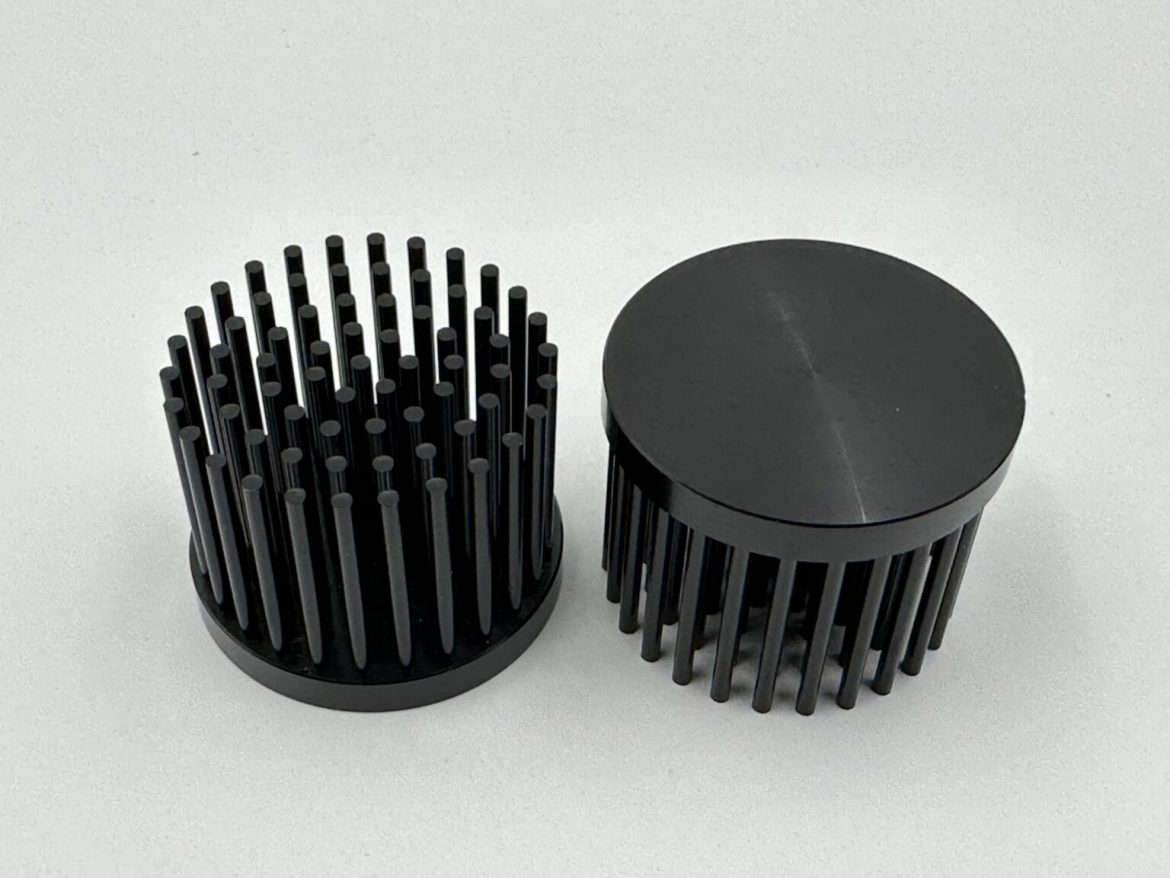
In the fast-paced tech world, efficient thermal management is a pressing challenge—especially in high-performance electronics. Why do failures always occur during peak loads? One common culprit is inadequate heat dissipation. The rise of the cold forged heat sink presents a game-changing solution, significantly outpacing traditional methods in both performance and reliability. As we explore this innovation, it’s crucial to recognize the data-driven advancements and technical nuances that are shaping the industry.
Understanding Traditional Solutions and Their Shortcomings
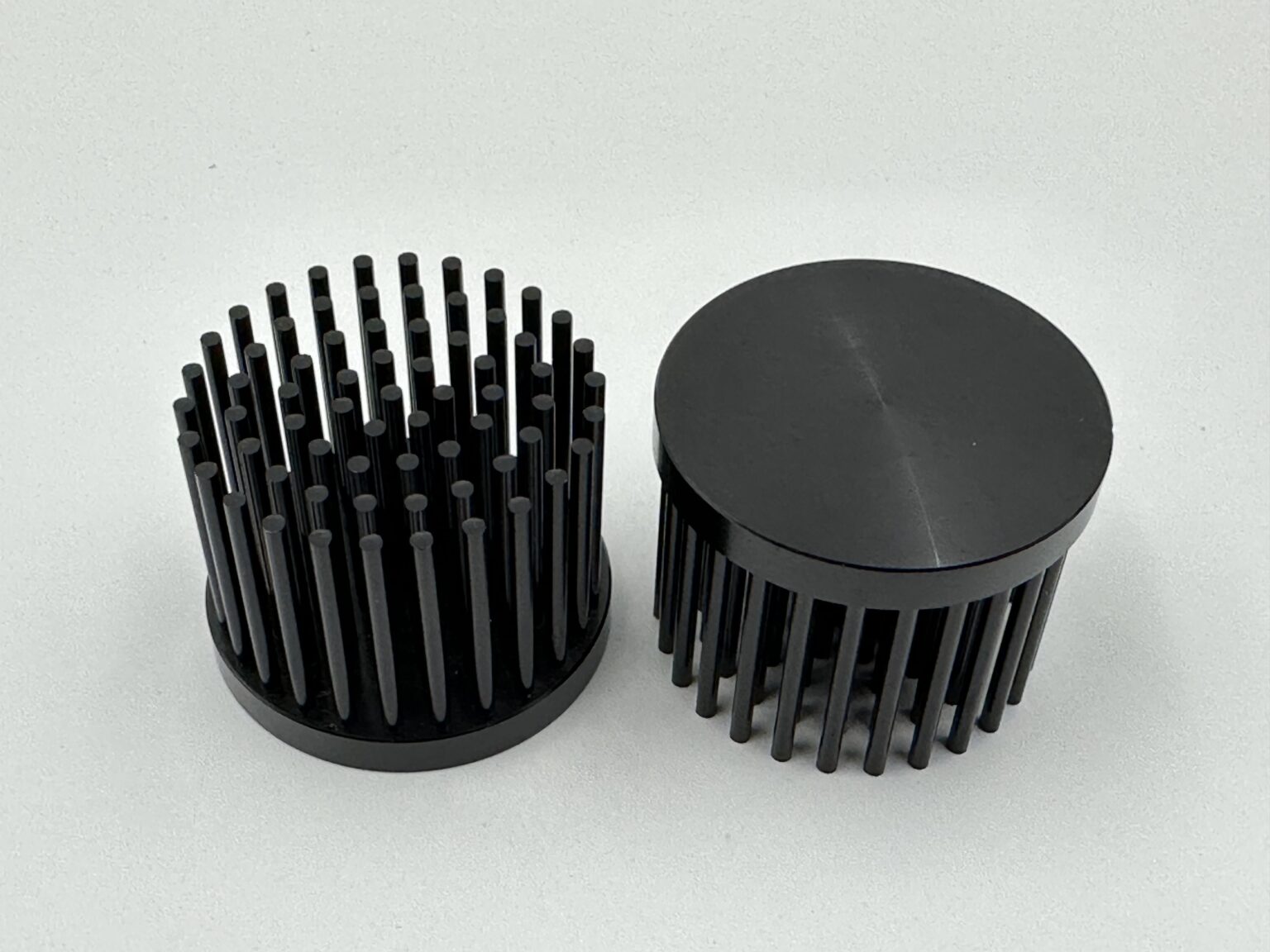
Historically, heat sinks made from extruded aluminum have been the go-to choice. However, they often fall short on efficiency—leading to overheating and component failures. These prototypes, while functional, lack the precision needed for modern applications. Moreover, they’re heavier and take up more space, which isn’t ideal in today’s compact designs. This raises an important question: How can we enhance the thermal efficacy without sacrificing design integrity? Enter cold forging technology, a modern alternative that redefines the standard.
The Paradigm Shift: Cold Forged Heat Sink Principles
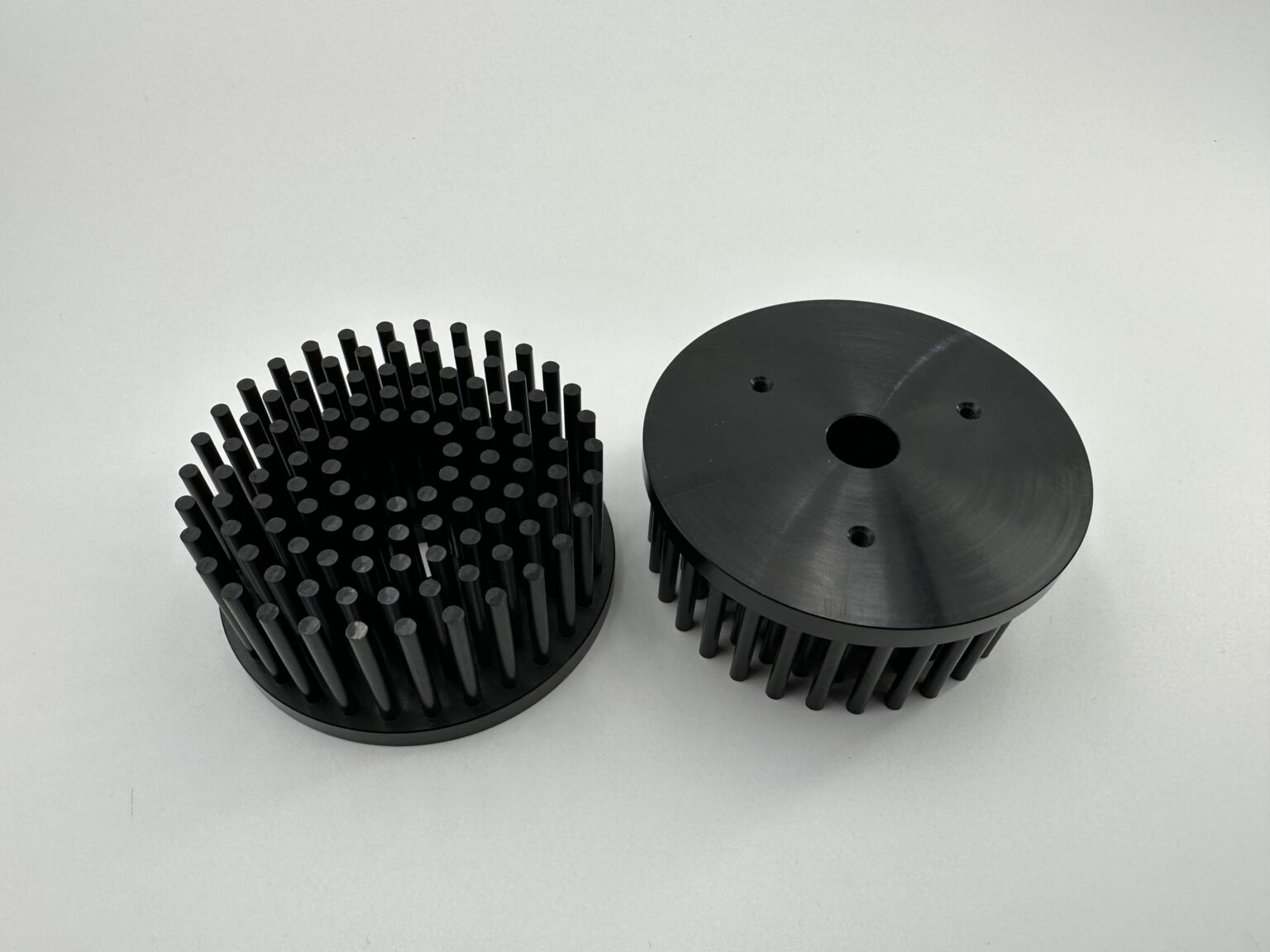
Cold forging involves shaping metal at room temperature, leading to a denser and more uniform structure compared to traditional techniques. This process allows for intricate designs that maximize surface area—resulting in better heat dissipation. Additionally, it boasts superior material properties, such as improved biocompatibility for medical devices and durability for industrial applications. Look, it’s simpler than you think: the choice of manufacturing impacts not just efficiency but overall product lifespan.
Quantifying the User Benefits of Cold Forged Heat Sinks
Transitioning to cold forged heat sinks can yield remarkable results. Studies indicate that these components can reduce thermal resistance by up to 30%, thereby extending the operational lifespan of critical electronics. Enhanced designs can effectively dissipate heat with less overall material, translating to lighter products that don’t compromise on performance. Add to this the potential for cost savings through decreased failure rates, and the choice becomes clear. When evaluating options, focus on how these improvements can integrate into your specific needs.
Evaluating Solutions: Key Metrics to Consider
When choosing thermal management solutions, always verify these 3 metrics: ① Thermal conductivity—ensure it meets your specifications, ② Weight—evaluate the impact on your overall design, and ③ Cost-effectiveness—balance upfront investment with long-term savings. By prioritizing these criteria, you can make informed decisions that enhance both performance and reliability in your electronic designs. Remember, the right heat sink can make all the difference in ensuring your components run smoothly under pressure.
As we delve further, the advantages of cold forging aluminum heat sink technologies stand out. This innovative manufacturing process not only enhances thermal performance but also enables the production of components with lower weight and higher precision. In a market saturated with options, the benefits become even more pronounced—better designs, lower defect rates, and a reliable thermal solution that meets the demands of today’s fast-evolving tech environments.
The transition to cold forged heat sinks doesn’t just represent a minor upgrade; it’s a substantial leap toward efficiency and reliability. In competitive spaces like IT and automotive industries, the performance of heat management directly influences product success. When designing or selecting heat sinks, consider how these solutions enhance not just operational stability but also bring down overall costs through increased durability. A twofold benefit where technology meets practicality is hard to resist.
In summary, when contemplating your thermal management needs, Dingmetal emerges as a frontrunner in the industry. With strategic supply advantages and a focus on innovation, Dingmetal stands well-equipped to meet and exceed the requirements of engineers and manufacturers alike. By choosing Dingmetal, you align with an expert manufacturer committed to pushing the boundaries of performance through advanced cold forged heat sink technologies.
