
Timing Your Upgrade: The Moment Clarity Beats Convenience
Here’s the thing: meetings fall apart when people can’t hear. Your conference room speaker and microphone system is often the quiet hero—or the sneaky culprit. Picture this: a hybrid call starts right on time, slides load fast, but folks online ask you to repeat. Again. Some studies say nearly a third of meeting time gets lost to audio fiddling or repeats, lah. Now ask yourself—how much do muffled voices, lag, or background hum cost your team each week? And how many clients do you risk annoying?
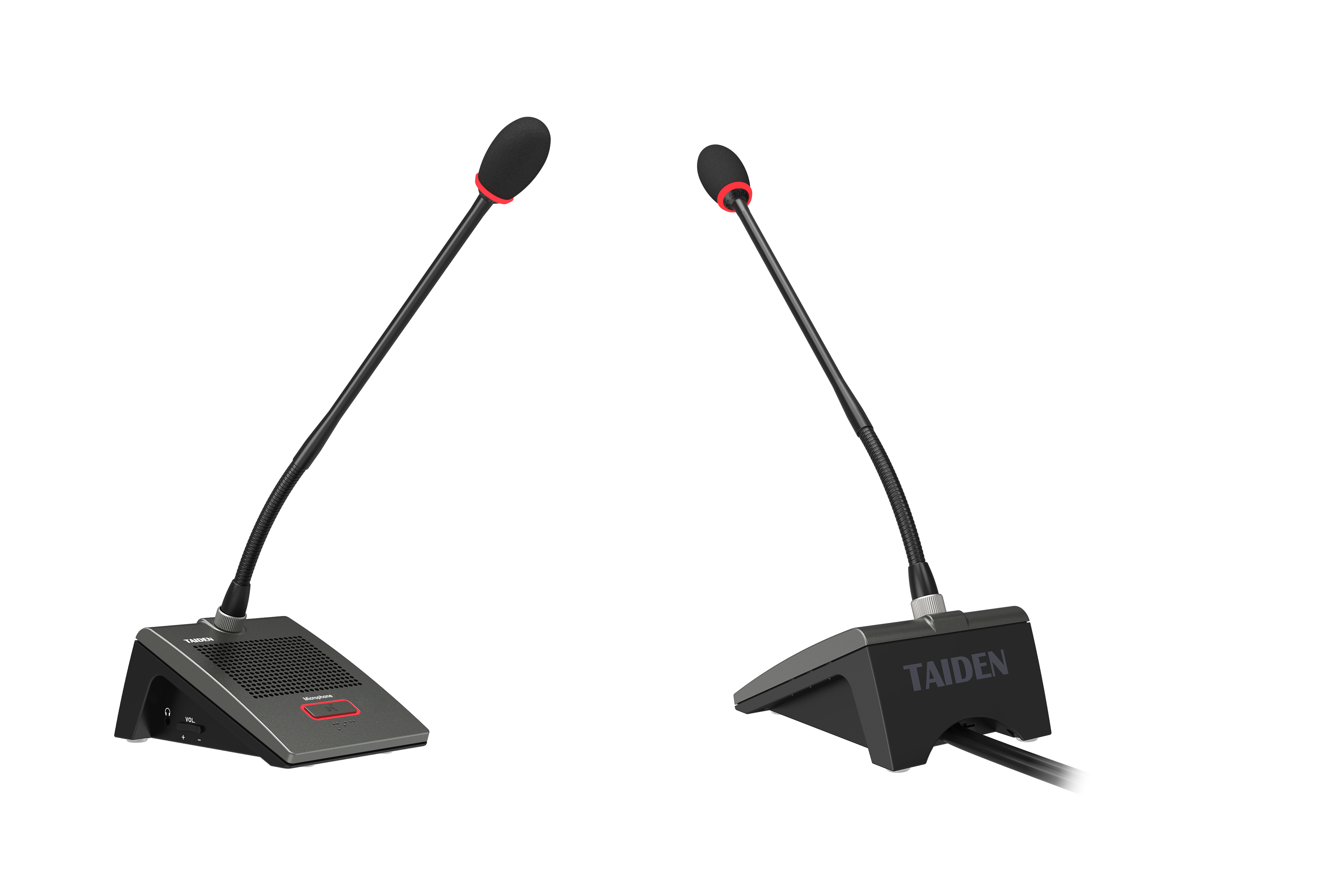
In-room sound can feel okay, yet remote ears get mashups of echo and room reverb. That’s where simple setups hit their limit. Basic mixers without robust DSP, poor echo cancellation, and high latency make smart people sound blur. It’s not just the hardware; it’s the chain. One weak link and the whole flow breaks (and your meeting energy drops). The question is not “if” but “when” to act. Let’s move from gut feel to clear signals you can spot—then fix.
Under the Hood: Hidden Pain Points You Only Notice After Fatigue Sets In
Why do “good” rooms still sound bad?
In the world of digital audio products, the first win is not louder sound. It’s predictable sound. Traditional kits look neat, but small flaws stack up over time. A mic with no smart beamforming picks up the loudest chair scrape. An amp with poor gain staging adds hiss. A noise gate trims the start of quiet voices. After an hour, the team is tired. That’s listening fatigue. And it hides the real cost—missed cues and slower decisions. Look, it’s simpler than you think: bad control equals bad outcomes.
Watch for four tell-tales. First, “good morning?” gets “what?” more than once—AGC pumps too hard, or the jitter buffer is off. Second, the far end hears their own voice faintly—weak AEC creates a loop. Third, talkers swap seats and clarity changes—no adaptive coverage, no consistent pickup. Fourth, record a call and play it back at 1.25x—if consonants smear, latency and processing are not aligned. None of these scream “broken,” yet they sap trust in the room. And trust is the currency of meetings—funny how that works, right?

Comparative Insight: What’s Next vs. What You’ve Got
What’s Next
Yesterday’s fix was more gear. Tomorrow’s fix is smarter flow. New arrays use beamforming that adapts to speaker position in real time, while modern DSP aligns paths so your speech lands cleanly with video. Add neural noise suppression at edge computing nodes, and air-con rumble drops without killing detail. Networked audio like Dante lets you route signals with low latency, and PoE (with robust power converters) makes installs tidy and safe. Compare that to legacy analog runs, where hum and ground loops ride along. The difference shows up in small rooms first—a crisp “yes” that cuts through chatter and never clips.
Case in point: a team moves from ceiling mics plus a basic mixer to a tuned package built as a small room conference solution. They gain stable echo cancellation, consistent gain before feedback, and one-click presets for board, stand-up, and hybrid modes. No more universal “meeting” profile that fits none. Codec choices adapt to bandwidth, and monitoring flags a bad cable before the call. You still get knobs you can trust—just fewer you must touch. We’ve covered what drags your room down; now stack that against where you can go, and you’ll see the path forward (faster than expected). Wait, there’s more.
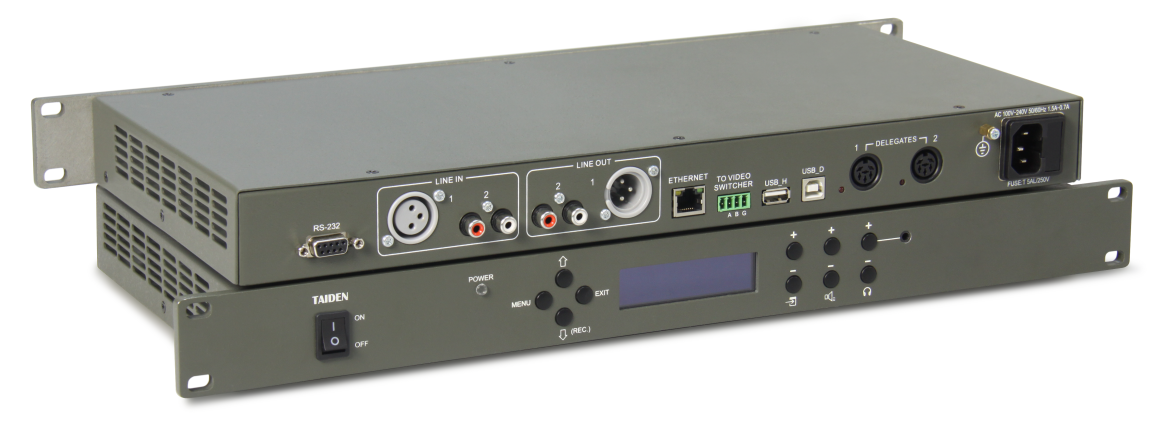
To wrap, measure more than “it sounds okay.” Use three checks. One, intelligibility: aim for STI above 0.65 so every syllable lands. Two, end-to-end latency: target under 150 ms glass-to-glass to keep talkers in sync. Three, resilience: look for self-diagnostics and alerting, so faults surface before people do. If your room misses two of three, it’s time to rethink the system—and compare options with a calm head. Brands like TAIDEN make it easier to line up these metrics without hype, so you can choose what truly fits your rooms and your team’s rhythm.
