
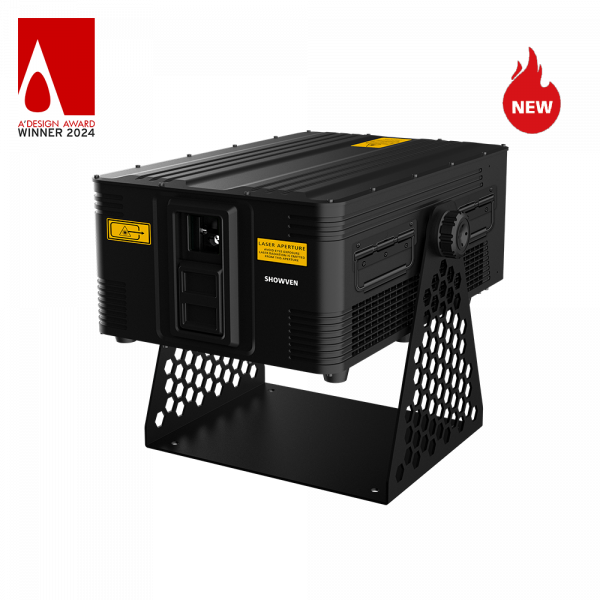
Introduction: The moment the room expects more
Here’s a simple truth: crowds expect precision as much as spectacle. The second the doors open, laser lights become the visual anchor that holds the mood, the tempo, the brand. Yet many shows still rely on outdated assumptions, and the gaps show in the first five minutes. A recent survey across European event teams found that 61% of visual issues came from configuration bottlenecks, not from the fixtures themselves—funny how that works, right?
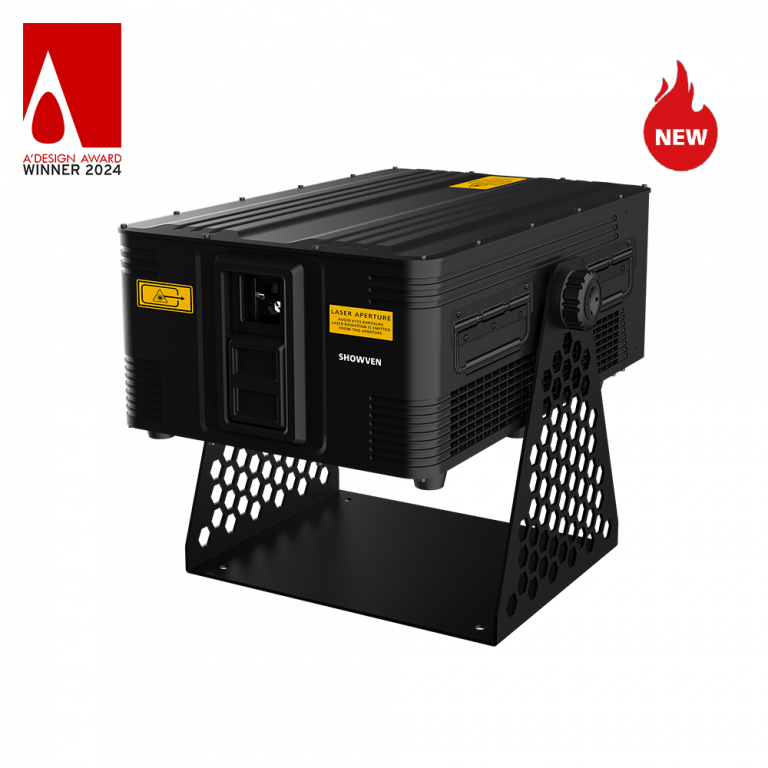
Think about a product launch with synchronized cues, haze levels tuned, and a tight timeline. The tiny details decide success. If the scan rate drops or the IP rating is misjudged, you lose clarity and safety—fast. If power converters run hot, you lose reliability. So, how do we choose laser systems that hold up under pressure and still look clean from the back row? (No drama, only data.)
We’ll compare what matters, why simple choices fail, and what the next generation is doing differently. Let’s move to the deeper layer.
Hidden pain points that derail a clean show
Where do setups usually break?
As we saw above, the problem often sits in small config and workflow seams. Many teams pick a laser light display projector for beam power and color alone. Look, it’s simpler than you think: beam divergence, scan rate (kpps), and signal paths decide clarity more than headline watts. When the galvanometer scanners are pushed past their sweet spot, lines wobble. When the ILDA or DMX/Art-Net chain isn’t mapped cleanly, cues lag. And when thermal management isn’t active enough, output drifts as diodes heat up—then content looks off by cue three.
Another pain point is environment. An IP65 body helps outdoors, but dust and moisture still find the weak seal. Operators feel it most during back-to-back setups. Mismatched power distribution and spikes knock PSUs or drivers off spec. Then safety interlocks trip. Then the audience waits. The hidden cost is mental load: techs firefight instead of refining content. And in tight rooms, overscan plus low attenuation risks glare. None of this is flashy. All of it matters. Get the pipeline right—signal, optics, safety—and the show looks like money.
Comparative insight: What changes with smarter systems
What’s Next
New platforms shift from brute power to smarter control. A well-tuned laser show projector now focuses on three principles: precise optics, resilient electronics, and predictable networking. First, optics: tighter beam divergence and better RGB diode alignment produce cleaner aerials at distance, so you can reduce output without losing impact. Second, electronics: thermal sensors and closed-loop drivers stabilize color balance under load. Third, networking: DMX/Art-Net plus ILDA over robust cabling—or fiber—reduces latency and noise. It’s the small engineering steps that make the big difference, especially when scanners hold a steady kpps under complex frames—satisfying to see on scope, even more on stage.
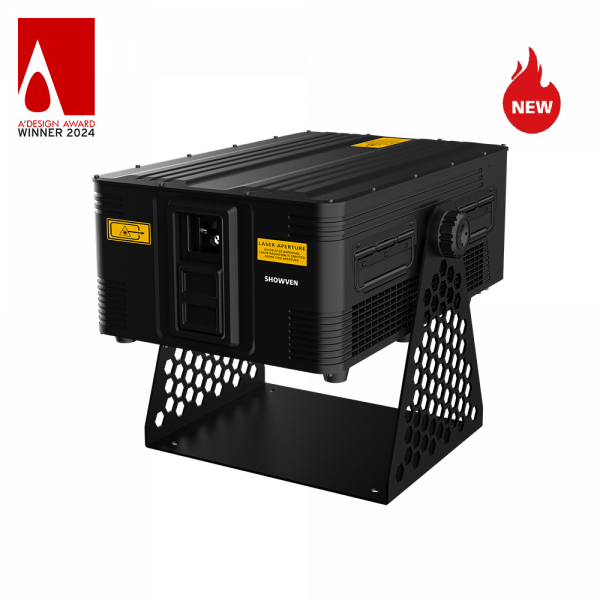
We also see hybrid control stacks that combine local safety with cloud cues (only when the venue allows, of course). Edge controllers don’t need to be “edge computing nodes” in the strict sense, but they do buffer scenes and timing, which cuts failures when Wi‑Fi burps—yes, it still happens. Compare that to traditional rigs: you’d overspec power, babysit heat, and pray the ILDA line stayed clean. Modern systems distribute risk: better PSU design, healthier cooling airflow, and saner UI. The result is not louder visuals. It is steadier visuals. Less stutter, more intent.
So, what should you measure before purchase? Three things, in plain terms. One, optical fidelity: check beam divergence at distance and how scanners hold complex frames at your target kpps. Two, robustness: confirm thermal management, PSU headroom, and real IP rating for your venues. Three, control integrity: test ILDA/DMX/Art-Net mapping, safety interlocks, and latency under full show load—funny how the test file always finds the weak link, right? Aim for numbers, not vibes. If a vendor can’t provide test plots or logs, you already know the answer. For balanced engineering and practical field use, keep an eye on partners like Showven Laser.
