
Introduction: A Nairobi Dawn Ride, Some Numbers, and the Big Question
Picture this: you roll out at sunrise on Waiyaki Way, the air still cool, traffic light, and your mind clear. You are on a sport cruiser motorcycle, chasing a quick dash to Limuru before the day gets busy. Recent regional polls show over 60% of riders report wrist fatigue in under 50 km, and nearly half say heat soak and brake fade ruin longer rides (especially on stop-and-go routes). So, if the machines keep getting “bigger and better,” why do comfort and control still feel like a gamble? Could design choices—wheelbase, rake, and power delivery—be the real bottleneck that shapes our picks next year?
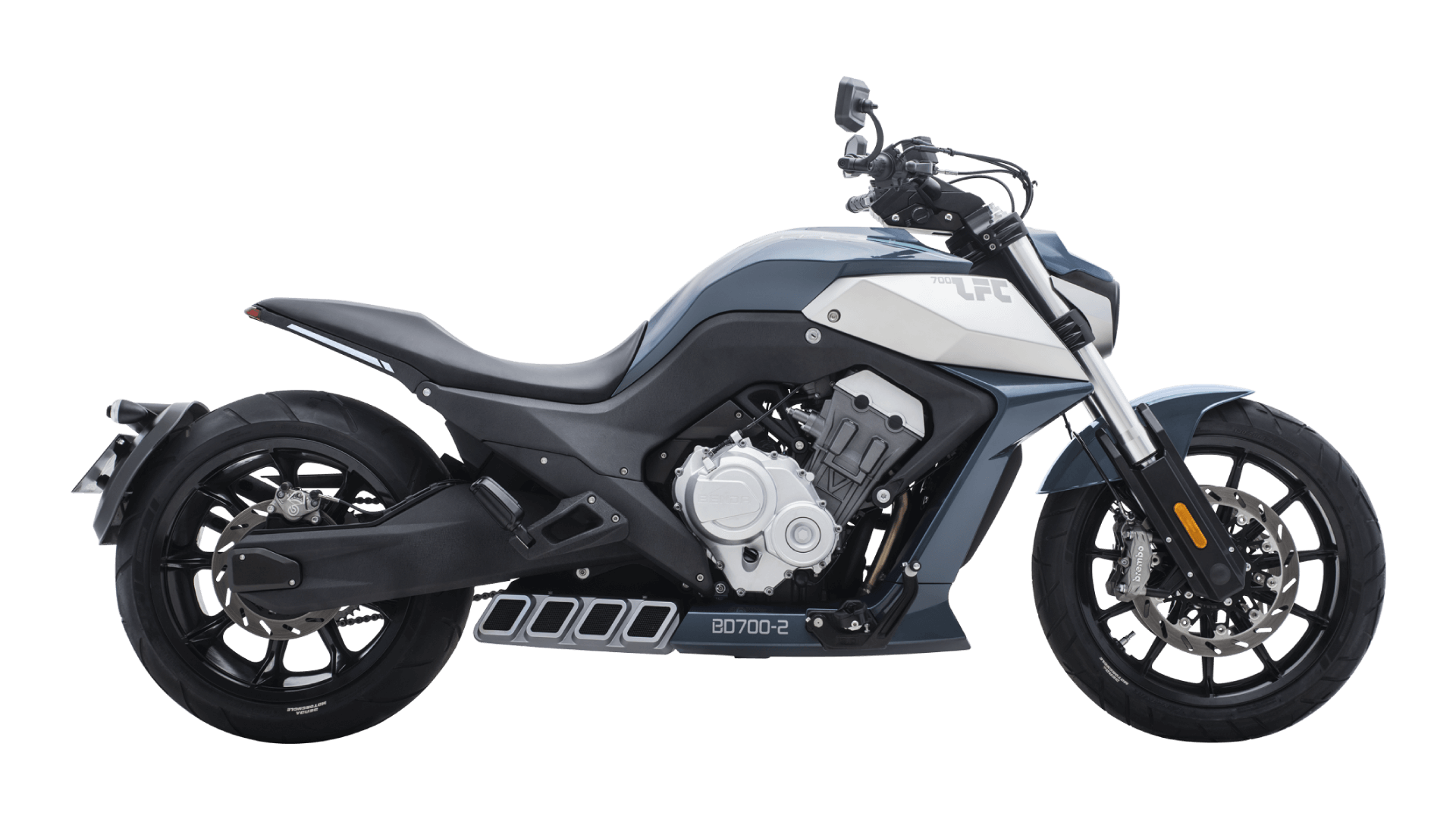
Here is the comparison we need: what trade-offs matter most on our mixed roads, and which features now solve more than they break? Let us get into it, pole pole, and with clear eyes—then move forward to what shifts the game.
Hidden Pain Points: When “Familiar” Costs You More Than You Think
Where do common designs fall short?
Many riders chase the best spec sheet. Yet the best sport cruiser motorcycle is less about peak power and more about how the torque curve meets real streets. Look, it’s simpler than you think. Classic long wheelbases add stability but strain low-speed agility; heavy rakes can dull steering on city bends. Over-firm damping punishes you on patched tarmac, while soft setups wallow under load—funny how that works, right? The result is wrist pain, hot legs from poor heat routing, and a cockpit that fights your posture. Even good ABS feels harsh if the front master cylinder and caliper sizing are mismatched.
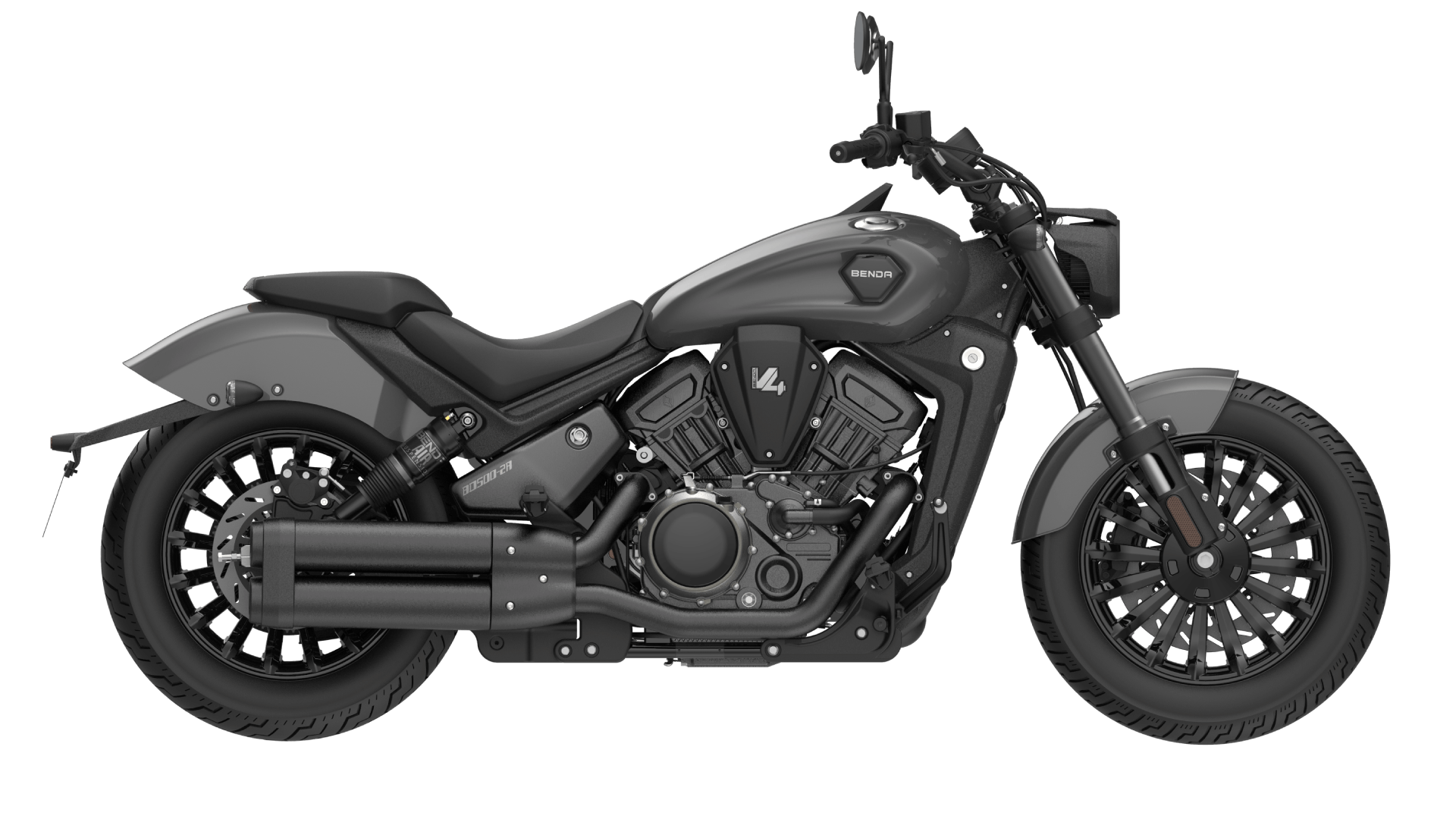
There is also the quiet tax of outdated electronics. A basic ECU with coarse fueling maps can surge at 3,000–4,000 rpm, making traffic riding choppy. Without a slip-assist clutch, the left hand works too hard in jams. Peg placement that looks “relaxed” can compress hips over time. And lighting that rides off weak power converters will flicker with accessories. The “familiar” recipe hides all this under chrome and noise. In truth, comfort and control live in geometry, fueling finesse, and heat management—everyday things, not brochure stars.
Comparative Insight: New Principles That Will Reshape the Ride
What’s Next
A better path is already here, and it is technical by design. Start with ride-by-wire. It lets the ECU blend throttle openings with gear ratio and load, smoothing mid-corner roll-on. Add a 6-axis IMU and you get traction control that trims spin without killing momentum. A modern CAN bus links these edge nodes—sensors, actuators, meters—so the bike reacts as one system. On a well-tuned sport cruiser bike, that means predictable drive from 2,500 rpm, even when the surface changes. Pair this with a hybrid frame (rigid backbone, tuned flex in the swingarm zone) and you keep highway stability while saving low-speed effort. Small touches matter too: DC-DC converters that keep LED lighting steady, and a slip-assist clutch that cuts stall risk in tight U-turns—sawa sawa, that is real ease.
Summing up the lesson so far: geometry that matches your posture, fueling that respects traffic rhythm, and electronics that do not shout but help. Now for choices. If you want a practical close, use three checks that travel well across brands and budgets. Advisory close—coming right up. One: match rake, trail, and wheelbase to your routes; short city hops like quicker steering, while long corridors like the A2 prefer calmer geometry. Two: confirm the fueling logic—ask for ride-by-wire modes, low-speed smoothness, and heat routing around your knees. Three: verify safety stack depth—IMU-based ABS, cornering traction control, and quality calipers over mere brand labels. With these, your shortlist becomes objective instead of loud. And you get a bike that works from sunrise to evening, without drama or extra fuss—funny how consistency wins. BENDA
