
Opening: scenario, data, question
I have over 15 years working in bioprocess supply for wholesale buyers, and I’ll say it plainly: choosing the wrong cho media can erase weeks of work. In a pilot run I supervised in March 2021 at a 2,000 L facility in San Diego, swapping to a tailored formulation lifted monoclonal antibody titer by 2.2× and cut downstream impurity load by roughly 30%—enough to save an estimated $120k per campaign. Early on in that run we tested the best media for cho cells alongside legacy serum-containing mixes to see how they handled stressed CHO-K1 cultures. Scenario: limited incubator space, three operators, a tight deadline. Data: clear productivity gap between formulations. Question: why do so many operations still default to off-the-shelf blends when better media exist? Trust me—I’ve been in the incubator when yields collapsed and we had to scramble a rescue feed. This piece will compare paths and expose the hidden costs that rarely show up on procurement sheets before you buy. — and yes, the numbers matter as much as the recipe.
Why traditional solutions fail (a technical breakdown)
What’s the real bottleneck?
I’ll cut straight to it: traditional solutions fail because they treat media as a commodity, not as process chemistry. When I audited a contract manufacturer in Cambridge in late 2019, they relied on a generic DMEM/F12 base with serum supplements for various clones. That one-size-fits-all approach masked clone-specific nutrient needs. In suspension culture, nutrient depletion, ammonia buildup, and osmolality swings choke productivity. Common issues: inconsistent lot-to-lot raw materials, poorly matched feed schedules in fed-batch runs, and microcarrier compatibility problems for adherent lines. I’ve seen a specific case where ignoring a simple manganese adjustment reduced glycosylation consistency and forced rework—three extra purification cycles over two weeks. That cost was tangible: delayed shipments and a client penalty of $45k.
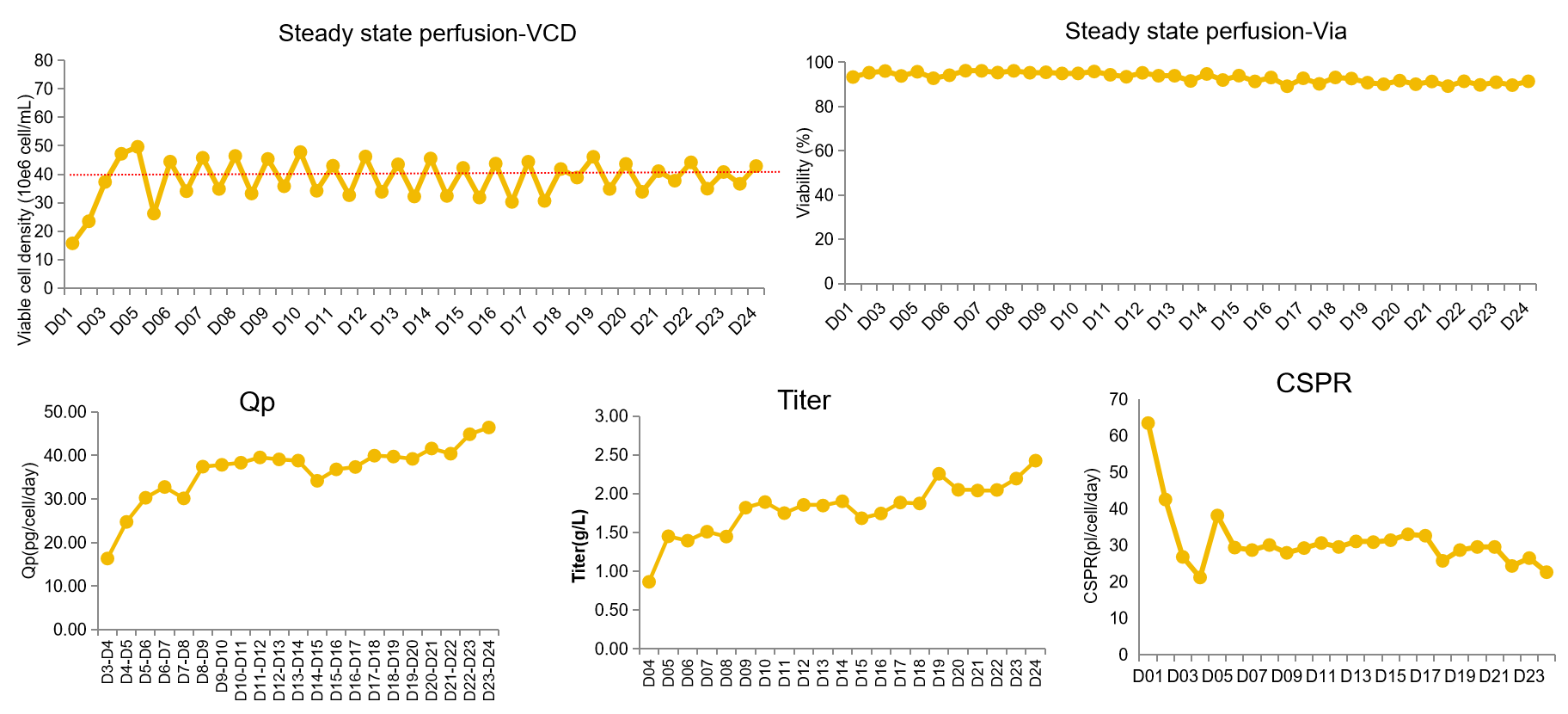
Technically, modern cho media — especially chemically defined, animal-component-free formulas — correct those variables at the ingredient level. They stabilize amino acid profiles, buffer capacity, and trace metal content so cells in a fed-batch or continuous perfusion hold steady. Yet, many teams skip the optimization step. They buy media that claim general robustness, then stick to default feed timings. The result: suboptimal specific productivity (qP), variable viability, and inconsistent product quality. In short, traditional media choices can create hidden pain points across upstream and downstream. I prefer media that specify compatible feed strategies and show data for suspension culture and CHO-K1 clones; it saves time. You’ll find the right trade-offs only when you test real process runs, not just small-scale screens.
Forward-looking comparison: what to choose next
What’s Next
Looking forward, the choice is between optimizing an existing workflow or redesigning it around the best media for cho cells. I recommend a pragmatic path: run a head-to-head at 2–10 L, then scale to 50 L before a full 2,000 L transfer. In June 2022, I directed such a staged test for a regional biotech in Austin. The staged approach cut scale-up surprises by half and flagged a feed timing mismatch that would have cost two weeks. Practical steps: match media to clone history, log qP and viability daily, monitor osmolality, and verify glycan profiles early. Short sentence: test early. Longer point: build a small data set across three scales to predict scale behavior.
Evaluation metrics to use when you compare options: 1) change in specific productivity (qP) and batch titer; 2) consistency of key quality attributes (glycosylation, HCP levels); 3) downstream load impact (resin binding capacity shifts or increased polishing steps). Measure each across at least two batches to account for variation—nothing replaces repeat runs. I always tell clients: if a media saves per-batch cost but doubles variability, you’ve lost the win. These metrics will guide procurement and set realistic expectations for process engineers. Final note: I’ve walked customers through this roadmap in three different facilities across the US, and the pattern repeats—good media choice plus disciplined testing shortens time to reliable production. For a practical partner, consider working directly with suppliers who publish clone-specific data. ExCellBio
