
Introduction: Mapping the Real Bottlenecks
A conference channel is a chain of mics, codecs, radio, and control. In a wireless conference system, that chain must stay stable while people move, reconnect, and speak at once. Picture a city council room where setup starts at 07:30 and the first vote is at 09:00; twelve delegates join on-site, four join remote, and the average downtime per meeting is 3–5 minutes due to pairing or interference. Many teams switch to a digital wireless discussion device to reduce cable chaos, but they still face hidden frictions: unpredictable RF multipath, unclear latency budget, and weak QoS under load. Look, it’s simpler than you think—these are systemic, not personal, faults. Old fixes like bigger antennas or “restart the base” only mask deeper flaws (power distribution and DSP profiles, for example). So the deeper layer is this: where do reliability leaks start, and how can we seal them without making the rig harder to run?
Consider how traditional stacks rely on single points of failure, such as a lone control hub or fixed channel plan. One drop and the vote stalls—funny how that works, right? Add hybrid rooms, and acoustic echo cancellation fights with room shape and seat rotation. Data tells a blunt story: each extra device increases reconnection risk, and each extra wall thickens RF shadows. The question is not “wireless or wired?” but “what design survives change?”. This is our pivot point—toward a clearer comparison and a cleaner method.
Where do failures begin?
Comparative Insight: How New Principles Reframe Reliability
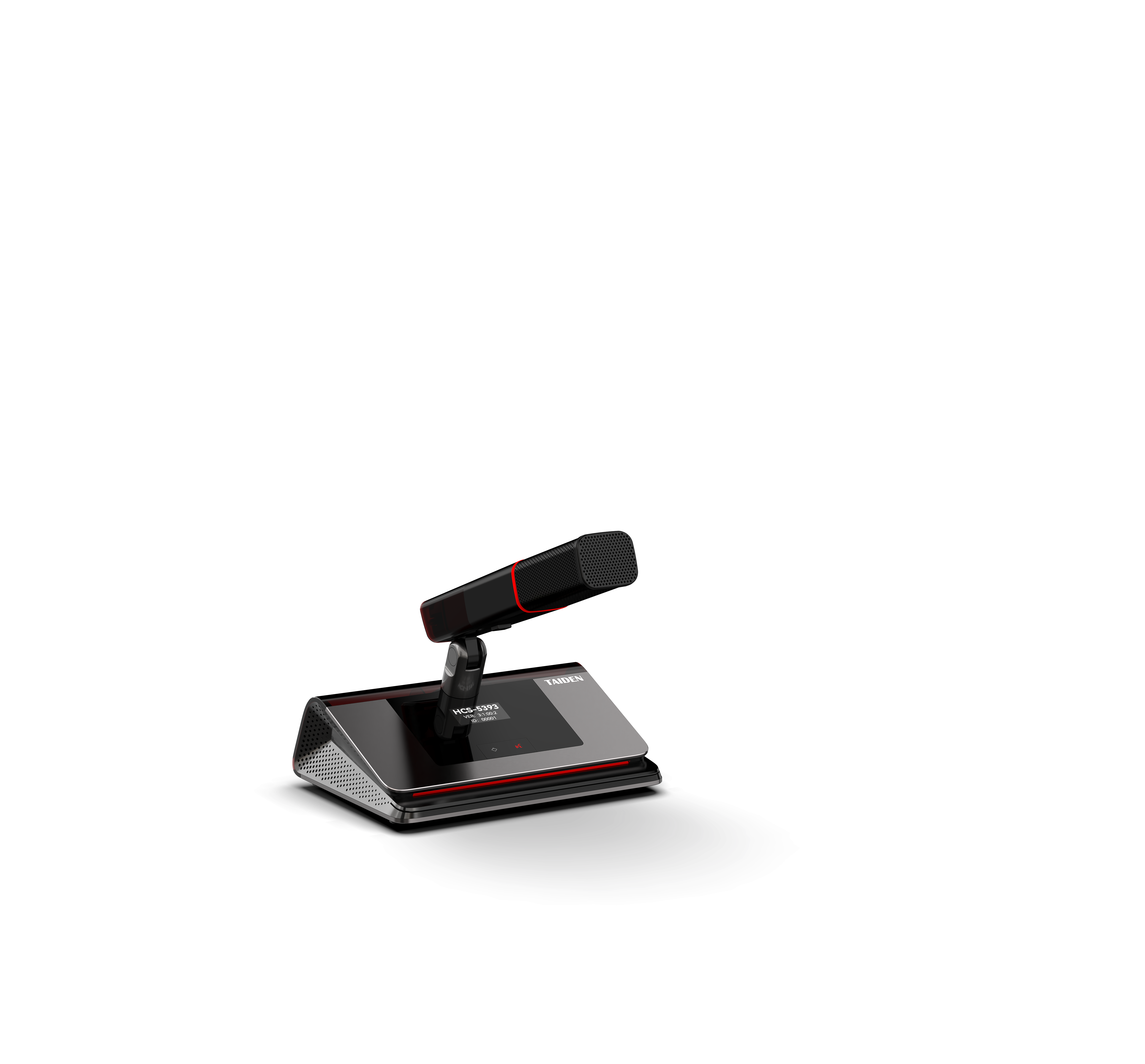
Modern platforms bring a different playbook. Instead of fixed channels, they apply dynamic spectrum use with smart scanning and tighter timing control, so packet paths adapt rather than stall. Microphone arrays and refined beamforming reduce gain wars, while session keys and device pairing make roaming less brittle. A well-tuned system balances end-to-end delay under 20 ms, stabilizes jitter, and treats dropouts as transient, not fatal. When a wireless gooseneck microphone system follows these principles, it handles crowded RF better and keeps speech priority intact—especially when delegates speak over each other. Add small edge computing nodes for local mixing or voting logic and the base unit stops being the single choke point. And yes, it still matters—battery rails with efficient power converters mean longer talk time without surprise brownouts.
Let us compare the old path with the new, side by side. Legacy setups fix frequencies and hope the room stays the same; new ones learn the room on the fly, track interference, and shift. Older designs treat mobile seats as a threat; newer designs assume movement and smooth the handover. The shift is quiet but real: fewer manual tweaks, cleaner audio floors, and calmer operators. This is not magic. It is careful control of RF spectrum and a clear latency budget that matches human turn-taking. From the earlier pain points—cable loss, drop-prone hubs, echo loops—we move to options where redundancy lives in software and timing, not just hardware. The result is less drama and better outcomes—funny how that works, right?
What’s Next
If you want a practical way to choose, use three signals. First, measure resilience: can the system maintain stable QoS with three added devices, a moved chair, and a blocked line-of-sight? Second, check speech timing: is round-trip audio plus control comfortably below your delay target in a busy hour, not just in a quiet test? Third, verify lifecycle essentials: battery swappability, health logs, and simple failsafe modes that a non-expert can trigger in under ten seconds. These are small tests, but they reveal the deeper design truth. With that, you can compare candidates with less guesswork and more evidence. For deeper reading and equipment context, see TAIDEN.
