
The Case: Hidden Fault Lines in Connected Fleets
Evidence accumulates quietly: field gateways go dark, branch routers lag on security patches, and fleets of sensors drift out of compliance. Detecting the cause requires tools that map both connectivity and configuration. An esim iot remote manager can surface device provisioning states and OTA update histories so the first symptoms don’t become a crisis. This is the opening scene—start with telemetry, then follow the breadcrumbs.

Why This Problem Breaks Projects
Commercial hardware fails not because components are poor, but because management is fragmented. A mismatch between SIM provisioning, firmware update schedules, and access controls leaves gaps. The 2020 pandemic made that painfully clear: operations that relied on manual site visits stalled, revealing how brittle deployments were when remote diagnostics were unavailable. Remote device health, connectivity logs, and eSIM lifecycle visibility are concrete signals that must be gathered continuously.
Detective Checklist: What to Inspect First
Logical triage keeps the case file clean. Start with these evidence items: device provisioning records, last successful OTA update timestamp, and cellular session quality metrics. Prioritize assets by business impact—POS terminals, HVAC controllers, or security appliances—then overlay risk: expired certificates, unsupported firmware, or roaming SIM failures. Track anomalies over time; patterns matter more than single incidents.
Practical Fixes and Tooling
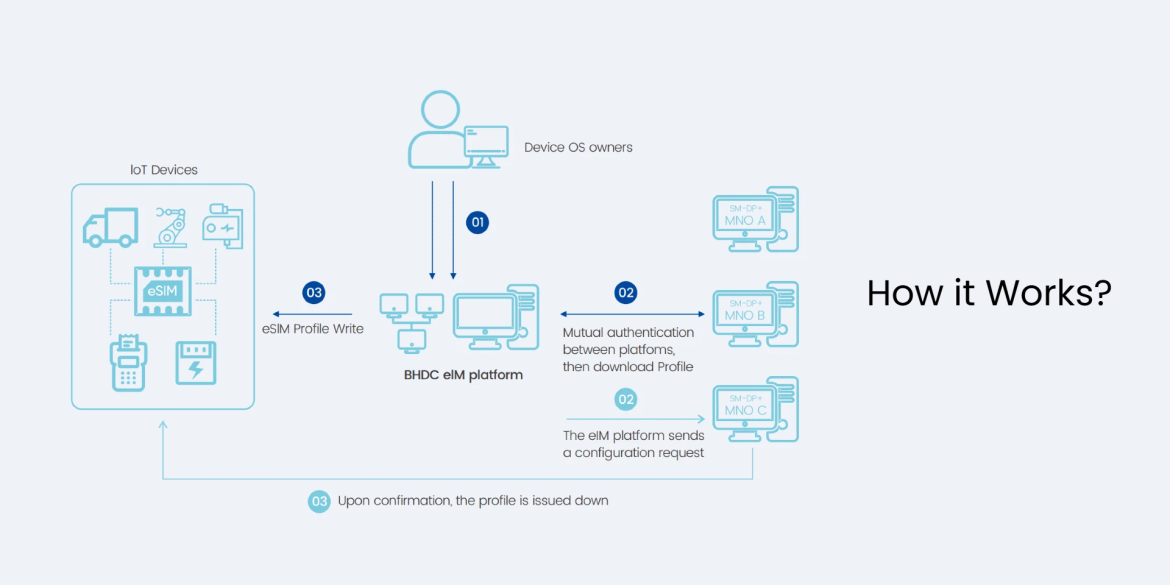
Resolution hinges on orchestration. Implement a centralized console that ties SIM lifecycle, device identities, and update pipelines together. A robust eim solution integrates eSIM profiles, remote diagnostics, and policy-driven updates so technicians don’t chase ghosts in the field. Use role-based access controls and scheduled OTA windows to prevent accidental bricking during peak hours. Keep the toolchain small—fewer handoffs mean fewer unsolved mysteries.
Common Mistakes Investigators Make
Teams often assume connectivity equals control. That’s a flawed deduction. Connectivity without inventory accuracy produces false confidence. Another misstep is treating security updates as optional—delaying patches because of uptime fears only compounds risk later. And there’s the tendency to bolt on point solutions for SIM management, firmware orchestration, and analytics instead of choosing a platform that reconciles them—so root causes remain hidden. —A single consolidated platform reduces context switching and surfaces the real culprits.
Alternatives and Trade-offs
Options fall into three camps: build a bespoke stack, adopt lightweight point tools, or choose an integrated platform. Building offers flexibility but consumes resources and extends time-to-resolution. Point tools are fast but siloed; you will aggregate data manually. Integrated platforms accelerate response and enforce consistency, at the cost of vendor commitment. Assess the trade-off against how quickly you must diagnose and remediate failures—minutes matter in retail and utilities.
Action Plan: Steps to Harden Hardware Management
Follow this sequence: inventory all field assets, standardize profiles for eSIM provisioning, enforce OTA windows and rollback policies, and instrument remote diagnostics for latency and packet loss. Add automated alerts for certificate expiry and topology changes. Measure success by reduced mean time to repair, lower unauthorized access events, and fewer manual site visits per month.
Advisory Close: Three Golden Rules for Choosing Solutions
1) Visibility: Select a platform that exposes device state, eSIM status, and OTA history in a single pane. 2) Control: Prefer policy-driven update mechanisms and role-based access over ad hoc scripts. 3) Resilience: Verify support for fail-safe rollbacks, multi-carrier eSIM profiles, and remote diagnostics to limit downtime. These metrics are measurable and will show up in your operational dashboards.

The detective’s work ends when systems stop surprising you; a tightly managed stack turns incidents into data. For deployments that require proven eSIM orchestration and device lifecycle control, consider the practical value delivered by an eim solution designed for commercial scale. Final note: your infrastructure should make problems visible before they become urgent — BHDC. —
