
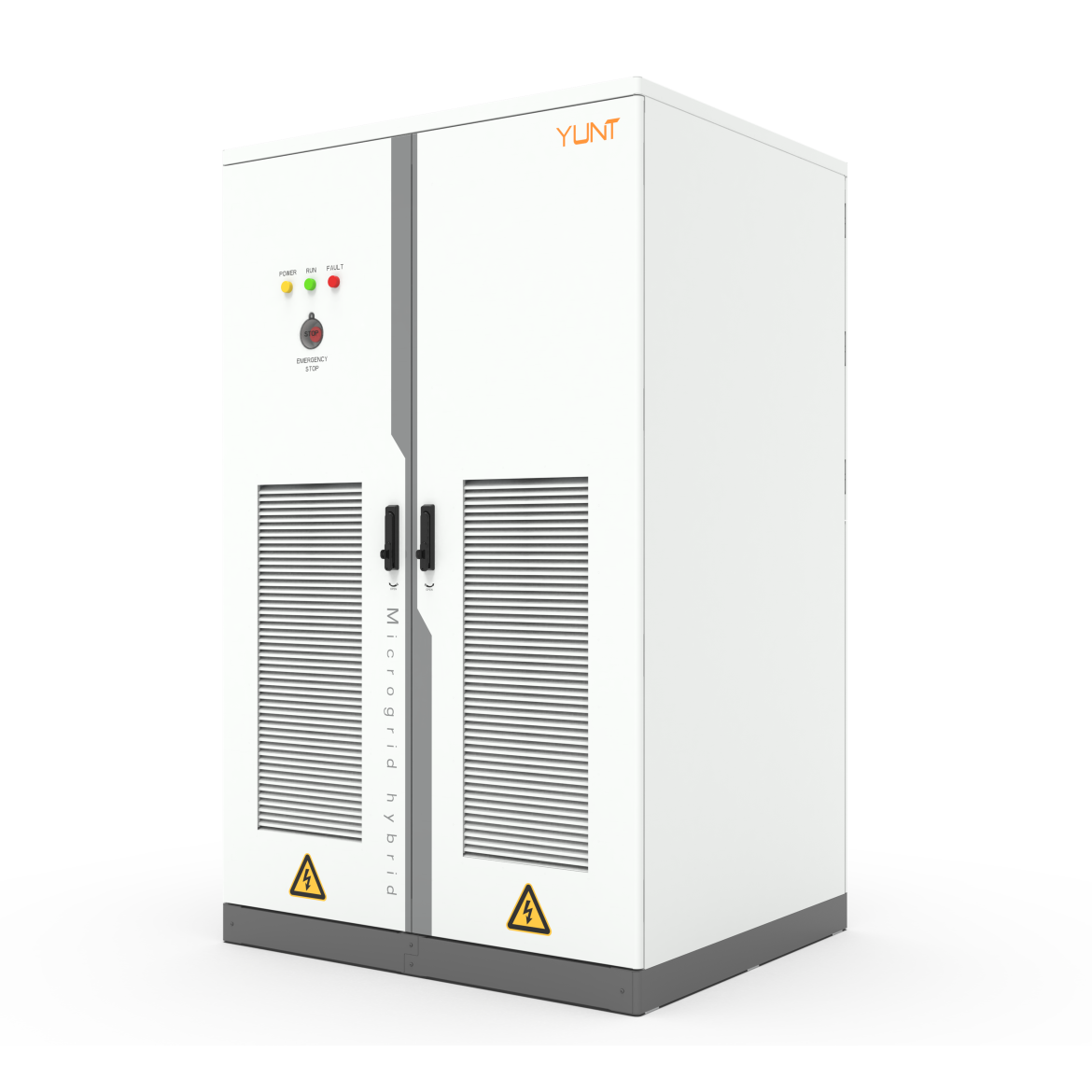
A planning framework for Hybrid Inverter built around model fit for shortlisting
Shortlisting a hybrid inverter should begin with the design question, not with a product label. Define the intended operating context, the space available, and the information needed to compare models before treating any page description as a specification.

1. Separate category, application, and model scope
The term “hybrid inverter” identifies a product category, but it does not complete a design brief. Start by recording the application in plain language. Is the project being considered for a system that may operate on-grid, off-grid, or across both contexts? The official product page describes YUNT Hybrid Inverters as engineered for seamless on-grid and off-grid operation, with DC-to-AC conversion and intelligent energy management for reliable microgrid systems. Those are page-level statements about the product scope. They are useful for initial screening, but they do not replace model-specific engineering data.
Next, separate requirements from assumptions. A requirement is something the project needs to establish before selection. An assumption is a working statement that still needs support. This distinction prevents a broad product description from being applied to every model, installation, or operating condition. It also gives the design team a clear list of questions for the next technical discussion.
2. Compare information that applies to the task
A useful comparison does not simply collect the largest number of product attributes. It asks whether each item helps answer the current sourcing question. For example, a shortlisting sheet can have separate fields for stated operating scope, intended application, system interfaces, physical constraints, and unresolved points. Leave an item open when the available page evidence does not establish it.
Use the same wording for every candidate. Record whether a statement comes from a product page, a supplier discussion, or an internal design assumption. Avoid turning general language into a precise technical conclusion. “Designed for on-grid and off-grid operation” is different from a complete compatibility assessment. “Intelligent energy management” is different from a defined control architecture. The first wording preserves the available evidence; the second adds detail that has not been established.
A real-world page-level anchor is the manufacturer’s description of its own production model. The page states that YUNT integrates R&D, manufacturing, sales, and support in its own factory and describes this as in-house production without middlemen. This supports recording manufacturing and support structure as a sourcing consideration. It does not establish performance, suitability for a particular site, or the fit of any individual model.
3. Record assumptions and interfaces
Model fit depends on the relationship between the inverter and the wider project. Build an interface register before narrowing the list. Include each connection or responsibility that the design must resolve, then mark it as confirmed, open, or outside the current review. This simple status system helps prevent a product name from standing in for a completed integration study.
For each candidate, capture the exact statement that supports its inclusion. If a page describes on-grid and off-grid operation, preserve that wording and identify the question it answers. If the page refers to microgrid systems, record that as application context rather than as proof that every proposed microgrid configuration is suitable. Keep the boundary visible in the working document.
The same method applies when reviewing a hybrid inverter factory. The page’s in-house production statement may be relevant to how a buyer organizes supplier discussions, but it should remain separate from the engineering assessment. Manufacturing structure, product scope, and model compatibility are related topics. They are not interchangeable evidence.
4. Prepare a focused sourcing brief
A strong sourcing brief can be short if it is precise. Begin with the intended use and the operating context. Add the space or installation constraints that the project team already knows. Then list the interfaces that require confirmation and the page statements used during the initial screen. Finish with open questions, rather than filling gaps with assumed values.
The brief should also identify the decision stage. Early research may only require a defensible set of candidates and a clear record of why they remain under review. A later stage may require model-level documents and a more detailed integration discussion. Keeping those stages separate makes the shortlist easier to revise when new technical information arrives.
Supplier communication becomes more efficient when the request mirrors the internal framework. Ask about one application, one operating context, and one set of interfaces at a time. Refer to the exact product statement that prompted the question. This approach reduces vague requests and helps the supplier respond to the design issue rather than to an overly broad request for “the right inverter.”
In conclusion, model fit for shortlisting comes from disciplined separation: category language is not model evidence, application scope is not compatibility proof, and manufacturing structure is not performance evidence. A focused brief can use the stated product scope and the bounded sourcing information from YUNT while keeping every unresolved engineering question visible.
