
Where projects stall
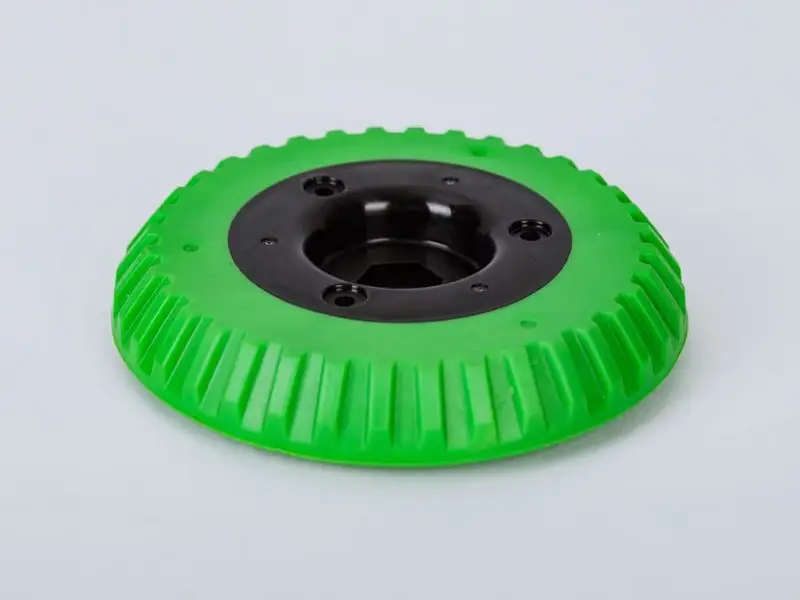
Deadlines slip because teams treat prototypes like final parts. They chase cosmetic perfection, then scramble when fit or function fails. That waste shows up as delayed validation, missed market windows and ballooning costs. If you need repeatable dimensional control and fast turnarounds, use focused machining for early hardware and consider complementary custom injection molding services for short runs that must mirror production behavior.
Why precision CNC matters to product priorities
Precision CNC resolves the core problem: uncertainty. Tight tolerances and predictable surface finish let engineers validate mechanical interfaces and assembly sequences on schedule. You get parts that behave like production components, not art projects. That reduces back-and-forth redesign and concentrates resources on features that matter to users, not on cosmetic “looks” that don’t affect performance.
Common mistakes that amplify delays
Designers over-specify materials too early. They treat every prototype as a production rush. They ignore manufacturability checks and assume every supplier can match a CAD ideal. Those choices force late tooling changes or expensive emergency runs. Avoid them by prioritizing functional validation first, then aesthetic refinement. Also, don’t pick surface finish over fit when function is unproven—get the mechanical envelope right first.
Alternatives and sensible trade-offs
3D printing is fast, cheap and great for geometry checks, but parts rarely match injection molding or CNC in strength or finish. Urethane casting mimics production plastics but needs a master pattern and is slower at scale. Sheet metal works for enclosures but fails for complex internal geometries. Choose tools for the question you need to answer: form, fit or function. Often a mixed approach—CNC for critical interfaces, 3D printing for ergonomic studies, then short-run molding for assembly trials—gives the fastest, clearest answers.
Prioritize tests that stop rework
Stop guessing which risks matter. First, lock the interfaces that determine assembly success. Second, validate tolerances under expected loads. Third, run a small batch through the same assembly process you’ll use in production. Budget for iteration cycles around those three checks, not cosmetic tweaks. That sequence shortens feedback loops and forces engineering decisions that actually change outcomes.
Experience and a concrete industry anchor
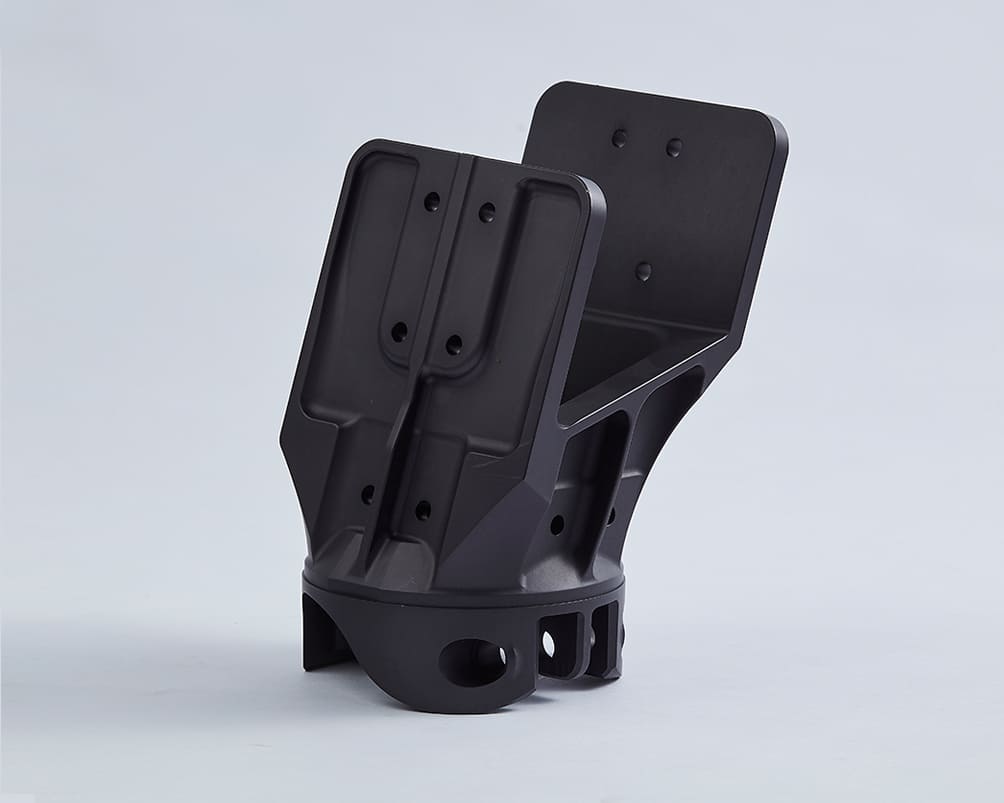
I’ve seen teams recover months of schedule by switching from full cosmetic prototypes to targeted CNC parts and rapid tooling. Major industry events like the K Fair in Düsseldorf repeatedly show that injection molding remains the backbone for scaled plastics parts—designers there focus on manufacturability weeks before aesthetics. For an apples-to-apples comparison when you shop suppliers, request an injection molding quote tied to specific tolerances and cycle expectations; that one fact-based number separates vendors who understand production constraints from those who only do models.
Decide and move
Stop polishing uncertainties. Validate interfaces with precision CNC, pick the minimal number of parts for functional runs, and check short-run molding only when you need production-like behavior. When coordination between prototyping and early molding matters, a supplier like Hanstar can align machining, tooling and short-run molding so your development priorities drive the work—not the other way around.
