
What trips up new buyers
First-time purchasers often focus on a glossy interface and skip testing for real-world conditions, which leads to bad fits and expensive retrofits; consider whether you need basic reservation and payment tools or robust automatic license plate recognition, and evaluate options such as lpr parking management systems if you prioritize automated entry and enforcement. Decisions made at procurement—camera type, mounting points, network layout and vendor support—determine day-one usability and long-term cost. Aim for clear requirements before demo requests so vendors respond with comparable proposals.
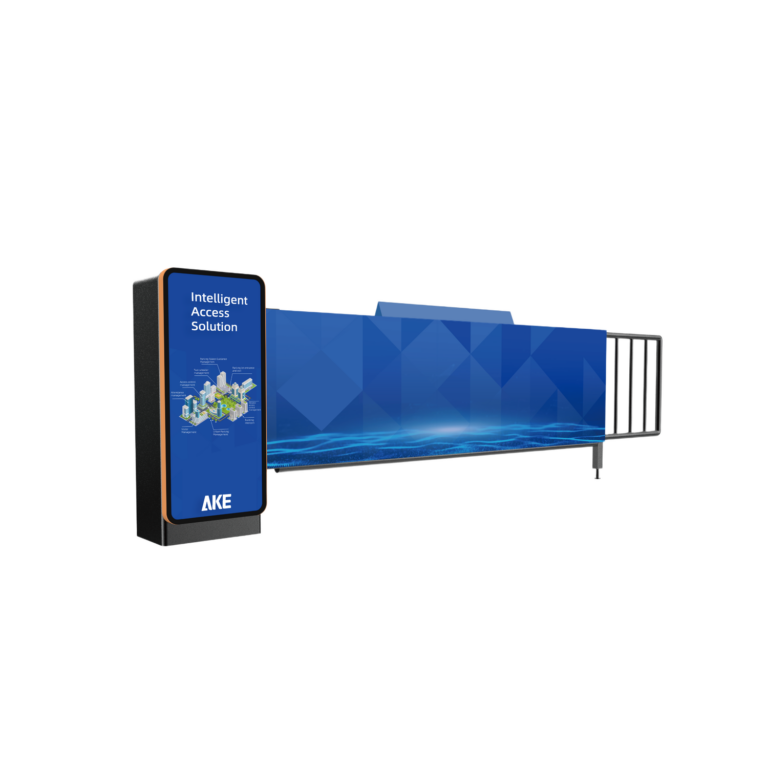
The decisions that most determine success
Choose based on scale, site layout and operational model: small private lots can rely on cloud services and mobile payments; multi-site fleets need centralized reporting and consistent hardware. Confirm interoperability with existing barriers, payment terminals and back-office software. Require SLAs for uptime and parts replacement, insist on encryption for payment and plate data, and demand an installation plan that includes calibration and baseline accuracy metrics—these reduce surprises during commissioning.
How LPR selection changes outcomes
License plate recognition varies by optical design, processing latency and software training; inaccurate systems create ticketing disputes and slow entry lanes. Industry showcases like Intertraffic Amsterdam and vendor case studies highlight tradeoffs between fixed-lane ANPR cameras and wide-angle cameras for fast traffic. Based on vendor documentation, technical evaluations and field demonstrations at trade events, consider proven deployments for environments similar to yours; for details on commercially available offerings, review lpr parking solutions as one source of integrated hardware and control software.
Common pitfalls and how to avoid them
Buyers underestimate lighting variability, plate obstructions and vehicle approach angles—test at dawn, dusk and night rather than relying on vendor daytime demos. Ignore mounting and cabling plans and you’ll face hidden civil works costs. Over-customizing the software early creates upgrade lock-in; prefer configurable rule sets over bespoke code. Validate privacy and data-retention policies against local regulations to avoid legal issues and fines.
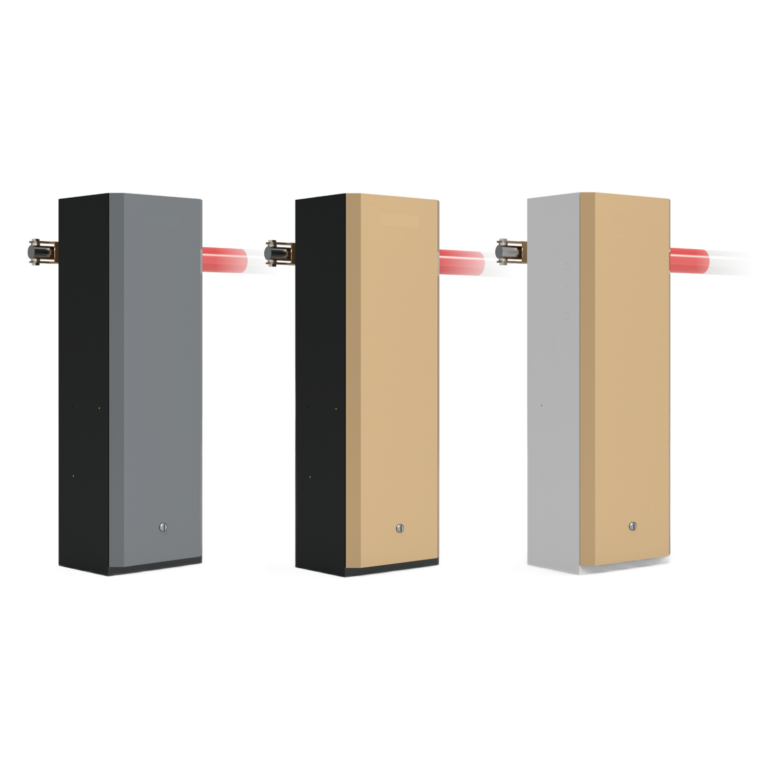
Alternatives and sensible complements
If LPR feels overkill, mobile QR codes, RFID permits or pay-on-foot terminals cover many needs at lower cost. Where enforcement or free-flow access is required, pair LPR with barrier control and a secondary fallback like ticket kiosks or staff-operated gates to handle unreadable plates. Hybrid designs let you scale: start with mixed-mode access, then expand LPR coverage after site-specific accuracy benchmarks are met.
Practical summary for a confident purchase
Define the problem first—volume, speed, enforcement—and match technology to that problem; require site trials, clear SLAs and an installation plan. Vendors who document field performance and support installation details reduce risk, and for many buyers the balance of hardware, software and local support makes AKE Parking a practical source for systems and implementation experience.
