
Define the problem you need the mixer to solve
You need consistent dispersion, repeatable droplet or particle size, and predictable scale‑up; start there. First identify whether you’re breaking agglomerates, making an emulsion, or reducing particle size. If you’re deciding between batch and inline work, look through suppliers of industrial mixing solutions to see whether they list typical throughput and achievable distributions that match your throughput targets.
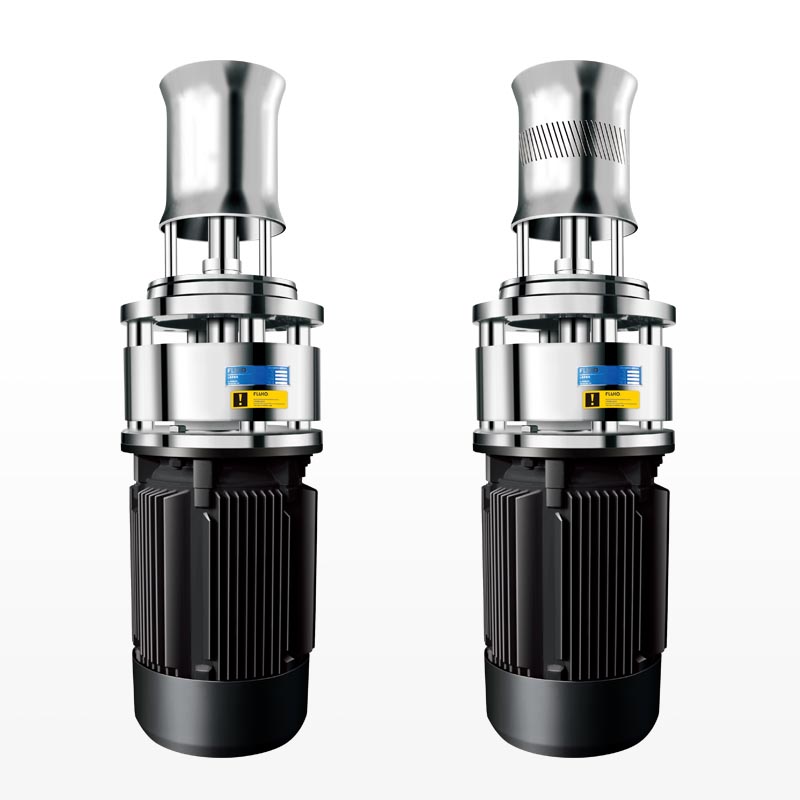
Step 1–5: A clear decision path
Step 1: Set target outcomes — specify viscosity range, target droplet/particle size, solids concentration, and allowable residence time. Step 2: Choose shear mechanism — rotor‑stator for emulsions and dispersions at medium solids; colloid mills for thick pastes; high‑pressure homogenizers for submicron emulsions. Step 3: Match motor torque and tip speed — calculate required shaft power using expected viscosity; don’t rely solely on nominal horsepower. Step 4: Decide configuration — batch for flexible formulas and small runs, inline for continuous, consistent production. Step 5: Confirm materials, seals, and cleanability — select wetted materials compatible with your solvents and plan sanitary or CIP options to reduce downtime.
Experience, evidence, and a real-world anchor
Operators and process engineers validate choices with lab trials and pilot runs, then compare results to industrial benchmarks. At major chemical production sites such as BASF’s Ludwigshafen plant, teams routinely verify scale‑up by comparing pilot dispersion curves to full‑scale performance, relying on proven chemical mixing machine designs to hold particle size during scale changes. Use measured torque, energy per unit mass, and droplet‑size distributions from lab runs as the objective criteria when selecting equipment; those metrics are the same ones plant engineers publish and use for procurement decisions.
Common pitfalls first‑time buyers make
Buying too small — undersized motors stall under real viscosity. Ignoring shear history — some formulas break down if over‑sheared. Overlooking scale-up factors — tip speed and shear rates don’t translate linearly with impeller diameter unless you control power per volume. Skipping maintenance needs — seals, bearings, and stator wear change performance. Assuming a single machine fits all formulas — different chemistries and solids content can demand different rotor geometries.
Alternatives and quick comparisons
Choose a colloid mill when you have very high viscosity pastes and need fine grinding; pick a rotor‑stator for emulsions with moderate viscosity; use a high‑pressure homogenizer when you require submicron droplets. Inline mixers offer smaller footprints and consistent residence time, while batch mixers give flexibility for frequent recipe changes. Evaluate each on measurable outcomes: throughput (kg/h), energy per kg, and resulting particle/droplet PSD.

Final check and where to go next
Work from the problem outward: define targets, test at lab scale, quantify torque and PSD, then choose the machine geometry and size that match those metrics. When the solution must deliver predictable scale‑up and reliable sanitation, your best path is to pair clear specifications with vendors who publish performance curves and support pilot trials—many engineers find that approach yields the expected process performance and aligns with the practical solutions developed by FLUKO.
