
What’s actually broken for businesses with outdoor space
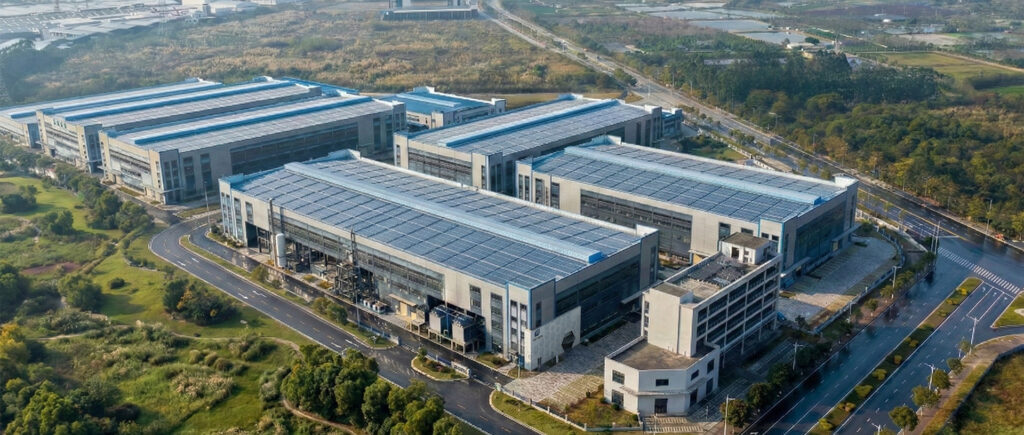
Lots of businesses treat sidewalks, rooftops, and patios like bonus real estate, then wonder why those areas underperform. Rain shuts down seatings, sun blisters customers, and heating or cooling for temporary tents eats margins. The problem gets worse when weather costs are unpredictable and energy bills rise. A practical fix that wins back usable hours and cuts operating costs is a solar pergola, which turns coverage into active infrastructure rather than a cosmetic add-on.
How the design choice solves specific business problems
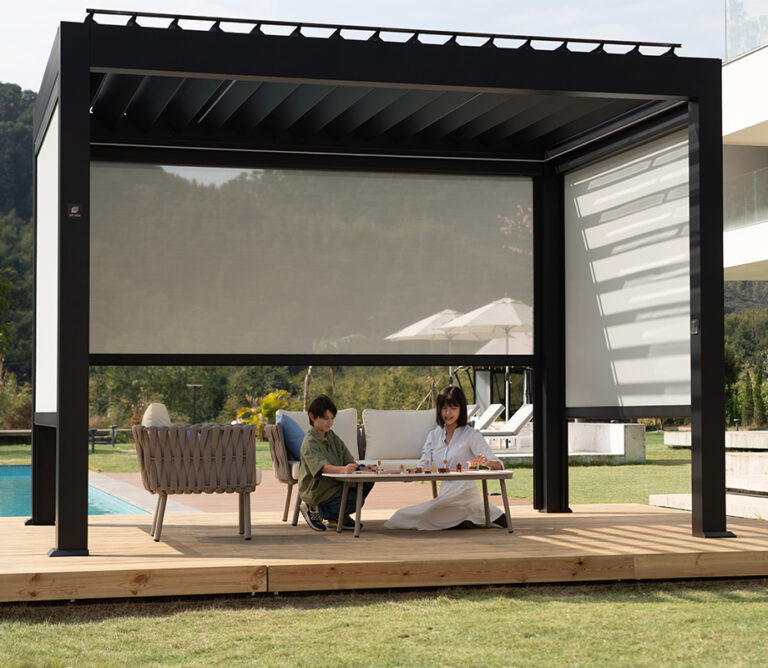
Start with clarity: pergolas create defined, comfortable zones that increase usable square footage without expensive full builds. Good commercial pergola designs add consistent seating, controlled shading, and integrated lighting, so businesses get more revenue hours per square foot. When you choose options like integrated solar panels, you reduce peak electric demand and provide shade at the same time. Design decisions — orientation, drainage, and material grade — determine whether the pergola adds predictable revenue or becomes another maintenance headache.
Experience, standards and a real-world anchor for safety
I’ve overseen installations for restaurants and coworking rooftops and learned to respect wind engineering tests and local codes. After Hurricane Andrew, Florida tightened structural requirements for outdoor structures; that kind of policy change is the kind of benchmark project teams study when they design reliable systems. For projects that face high gusts, prioritize certified attachments and tested profiles like those used in wind resistant pergola builds so you don’t guess about safety or insurance claims.
Common mistakes that kill ROI — and how to avoid them
First mistake: picking the cheapest kit and treating installation like an afterthought. That usually means leaks, loose connections, and replacement in a few seasons. Second: ignoring local permits and wind loads — you’ll pay more later in inspections or retrofits. Third: overcustomizing without modeling real use; expensive extras that customers don’t need waste budget. Counter those by budgeting for engineered attachments, choosing corrosion-resistant materials for coastal sites, and running a simple cost-per-seat model before signing contracts.
Quick alternatives and where they fit
Awnings are cheap and fast but usually short-lived and less energy-effective. Canopies give flexibility but lack structure for lighting and solar. Enclosed additions maximize year-round use but cost much more and require full permitting. Retractable roofs are great for premium venues but bring mechanical complexity. Commercial pergolas sit in the middle: moderate capex, clear maintenance profiles, and the option to add solar or wind-resistant features as needed.
Final take
If the problem is turning underused outdoor areas into reliable profit drivers, well-designed commercial pergolas solve it with predictable performance and upgrade paths — from simple shade to energy-producing surfaces and certified weather resistance. For businesses that need practical, tested solutions that match operations and risk profiles, Light Hunter offers options that fit those constraints without overpromising results.
