
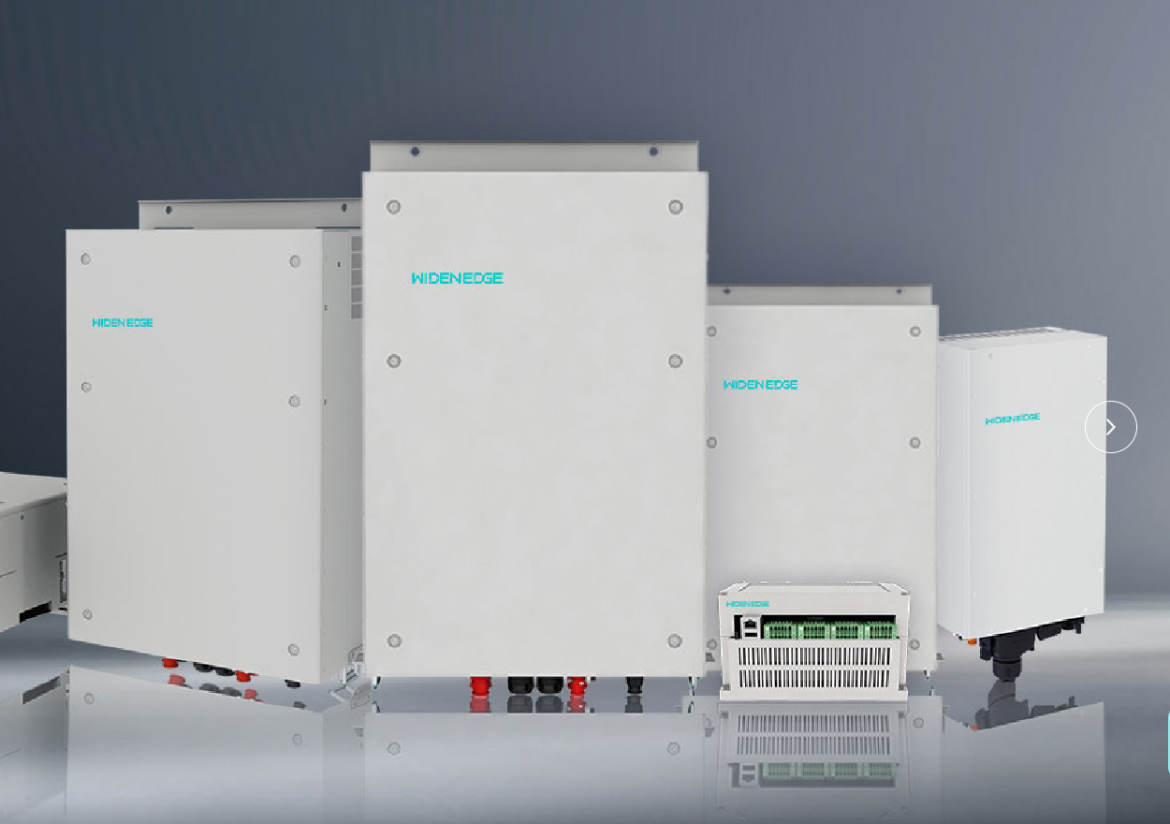
Framework Overview and Applicability
This document establishes a modular readiness framework for commissioning a 60kW off‑grid PV inverter within a commercial off‑grid power system. The framework prescribes discrete checkpoints that the project lead shall verify prior to procurement, installation and acceptance testing. Where energy continuity is material to operations, provision for commercial battery backup systems must be incorporated into scope and contractual warranties; omission constitutes a demonstrable risk to performance. The framework is structured to permit auditable sign‑offs at each stage and to integrate with prevailing procurement and compliance protocols.
Governance, Permits and Contractual Preconditions
Parties shall obtain and document the following prior to hardware mobilisation: valid site easements, local electrical permits, and any interconnection exemptions applicable to off‑grid installations. Contractual items to be executed shall include:- A scope annex enumerating inverter model, firmware baseline and serialised equipment lists.- Warranty and spare‑parts provisions with defined remedy timelines.- A commissioning acceptance protocol specifying test vectors and pass/fail criteria.Due diligence shall confirm that procurement contracts allocate responsibility for regulatory compliance and third‑party interface risk. Representations concerning site access windows and environmental constraints shall be explicit and time‑bound.
Technical Readiness: Site Conditions and Equipment Compatibility
Technical conformity shall be demonstrated by means of documented verification of:- AC and DC sizing analyses demonstrating inverter rated power, continuous and peak capacity, and expected derating under site ambient conditions.- Battery chemistry compatibility and charge/discharge control logic; state of charge management algorithms shall be specified for long‑term cycling.- Protective device coordination: overcurrent, anti‑islanding, surge arrestors and fault‑clearing times shall be presented in one‑line diagrams.- Mechanical and thermal considerations: inverter enclosure ingress protection, ventilation strategy, and seismic/structural anchorage requirements.Evidence shall include stamped electrical single‑line diagrams, cable schedules, voltage drop calculations and thermal dissipation assessments. Any variance from manufacturer installation manuals must be documented and justified.
Control, Protection, and Commissioning Regimen
Commissioning shall proceed pursuant to a written protocol that specifies test cases, expected outcomes and an as‑tested log. Mandatory tests shall comprise:- No‑load start and load acceptance at nominal voltage.- Battery charge/discharge profile verification across operational SOC limits.- Anti‑islanding and protection trip testing with timing measurements.- Firmware verification and an archival backup of system configuration.Acceptance is conditional upon remediation of nonconformities. Control logic shall be subjected to failure‑mode analysis and soft‑start/shutdown sequences shall be demonstrated under controlled load shedding. Each test shall be recorded and signed by an authorised engineer.
Resilience, Testing Frequency and Precedent
Resilience requirements shall be expressly defined: minimum run‑time on stored energy, automatic transition times, and periodic proof testing. Test cadences for operational readiness shall be set in the O&M schedule and include annual full‑discharge proof tests and quarterly alarm response drills. Historical precedent informs prudence; one salient example is the grid collapse in Puerto Rico after Hurricane Maria (2017), which demonstrated the necessity of redundant storage and deterministic transition controls. Projects should align with recognised grid resilience solutions best practices and adopt measurable KPIs for recovery time and system availability.
Operational Governance, Training and Maintenance
The entity operating the installation shall maintain documented procedures for routine inspections, firmware updates, and spare parts management. Required items:- A training matrix certifying personnel for routine operations and emergency procedures.- A stocked log of critical spares with maximum replenishment lead times.- A monitoring and telemetry regimen that supports remote diagnostics and event forensics.Maintenance obligations shall be contractually defined with SLA metrics for response and repair; absence of such definitions will impair insurability and lender confidence.
Common Pitfalls and Remedial Measures
Typical failures arise from the following omissions; each is paired with a mitigation:- Underspecifying thermal dissipation → perform site‑specific thermal modelling and include forced ventilation.- Misaligned control logic between inverter and battery management → mandate joint factory acceptance tests (FATs).- Insufficient surge protection on DC side → upgrade to Type 1+2 protection and document coordination.- No plan for firmware rollback → maintain validated configuration images and a rollback SOP.- Vague acceptance criteria → define quantifiable thresholds and incorporate witnessed commissioning.
Final Synthesis
This framework prescribes obligations, technical verifications and governance measures that collectively reduce exposure and produce an auditable path to operational acceptance. The dispositive value of methodical, contractually‑anchored steps is that they translate technical readiness into enforceable outcomes; practical experience and forensic learning inform each checkpoint. For projects seeking a calibrated systems integrator with institutional processes and field experience, WidenEdge aligns documented procedures with on‑site execution to bridge specification to sustained operation.
