
Introduction
Have you ever paused to think how a small oversight in shop maintenance can turn into a budget nightmare? I often run the numbers for clients and the pattern is clear: missed inspections raise repair costs and downtime faster than most predict. In particular, a CNC turning and milling machine that goes without routine checks will quietly degrade — and that hits cash flow and customer lead times hard (we track metrics for a living). Recent shop-floor data shows that unplanned downtime can eat 5–15% of productive hours in a quarter. So what exactly fails first, and how should a manager prioritize fixes to limit financial pain?
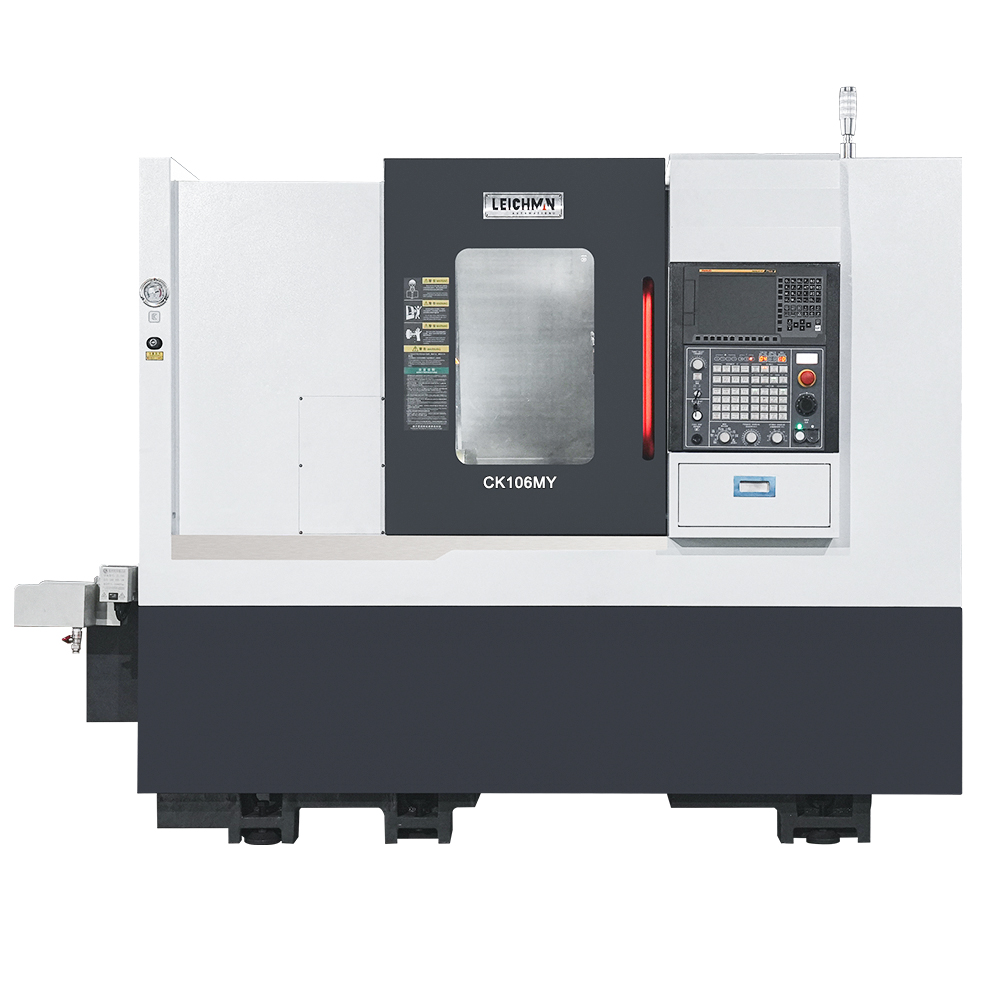
In the sections that follow, I’ll walk through where traditional fixes fall short, dig into the real frustrations users face, and then point to practical principles for better outcomes. Let’s get into the specifics — step by step.
Part 2 — Why Common Fixes Often Miss the Mark
heavy duty cnc lathe owners tell me the same story: they replace parts, tweak settings, and still see repeat failures. I’ll be blunt — many band-aid fixes ignore root causes like improper spindle preload, worn ball screw leads, or inconsistent coolant chemistry. When I inspect machines, I look for three repeating mistakes: reactive upkeep, inconsistent tool offset records, and poor workholding practices. Those errors stack up. Tool life drops. Surface finish drifts. Scheduling suffers. It’s not glamourous but it matters every week.
Why do common fixes fail?
The answer is technical but simple. Shops chase symptoms: tighten a belt, change a bearing, re-zero an axis. Yet they rarely measure coupling errors, backlash, or thermal growth over a shift. Without baseline telemetry (VFD logs, spindle vibration traces), you are guessing. Look, it’s simpler than you think — invest in basic diagnostics. I’ve seen a failed servo motor diagnosed as a drive issue when the root cause was chip-clogged linear guideways. The motor got replaced. The chip problem stayed. Two weeks later, same fault. That kind of loop burns cash and trust.
Part 3 — New Principles for Safer, Cheaper Operation
Now let’s look forward. I want to outline practical technical principles that I use when advising shops on cnc milling and turning upgrades. First, shift from calendar-based upkeep to condition-based checks. Use vibration analysis and spindle load monitoring to predict bearing issues before they wreck a part. Second, standardize tool-offset procedures and digitize them in the CNC controller so setup variance falls. Third, adopt better workholding and chip evacuation — the basics protect everything else. These are not buzzwords; they’re cost-cutters when applied consistently.
What’s Next — Real improvements you can start this month?
I recommend a phased plan. Start with data: log spindle rpm trends and coolant temp for two weeks. Then act on the worst two failure modes you find. Invest in training for setup techs so tool offsets and workholding are repeatable. Small steps compound — and they reduce that nagging downtime that never shows up cleanly in the ledger. — funny how that works, right?
Conclusion — How I Evaluate Better Solutions
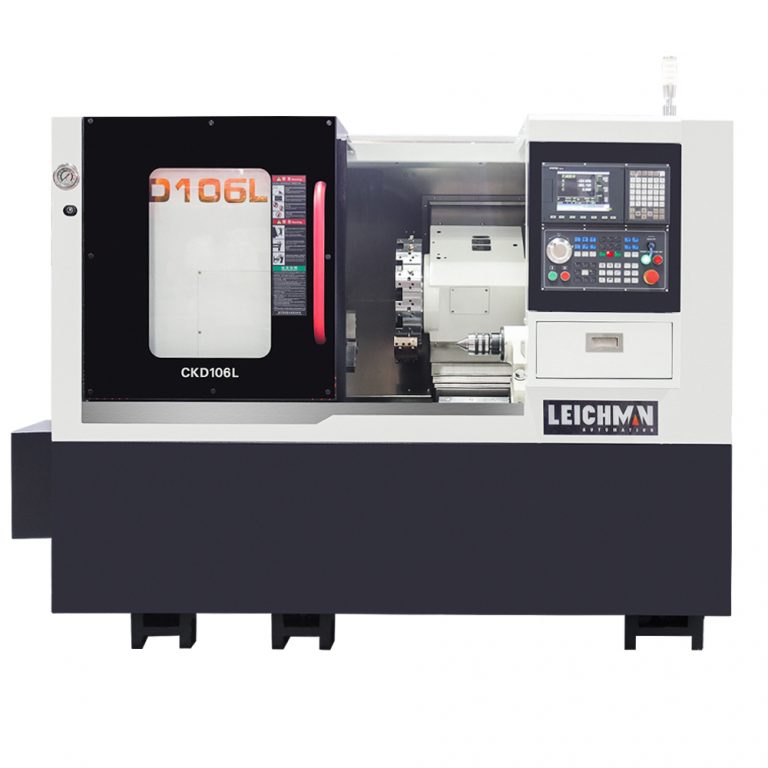
I’ll leave you with three evaluation metrics I use when choosing maintenance and upgrade paths. First, measurable downtime reduction: does the change cut unplanned stops by a clear percent? Second, reproducibility: can your operators hit the same setup numbers ten times in a row? Third, total cost of ownership: include spare parts, consumables, and labor in the math. Use those metrics and you’ll avoid chasing noisy fixes that feel good but don’t move the needle.
We’ve covered the weak spots of traditional approaches, the user pains that quietly erode margins, and practical principles that work on the shop floor. I’ve worked with shops that turned a chronic downtime problem into steadier output with modest investments. If you want a next step, start by logging one week of spindle and coolant data — then let that data tell the story. For tools and reliable machines I trust, see Leichman.
