
Framework Overview: Why a structural approach wins
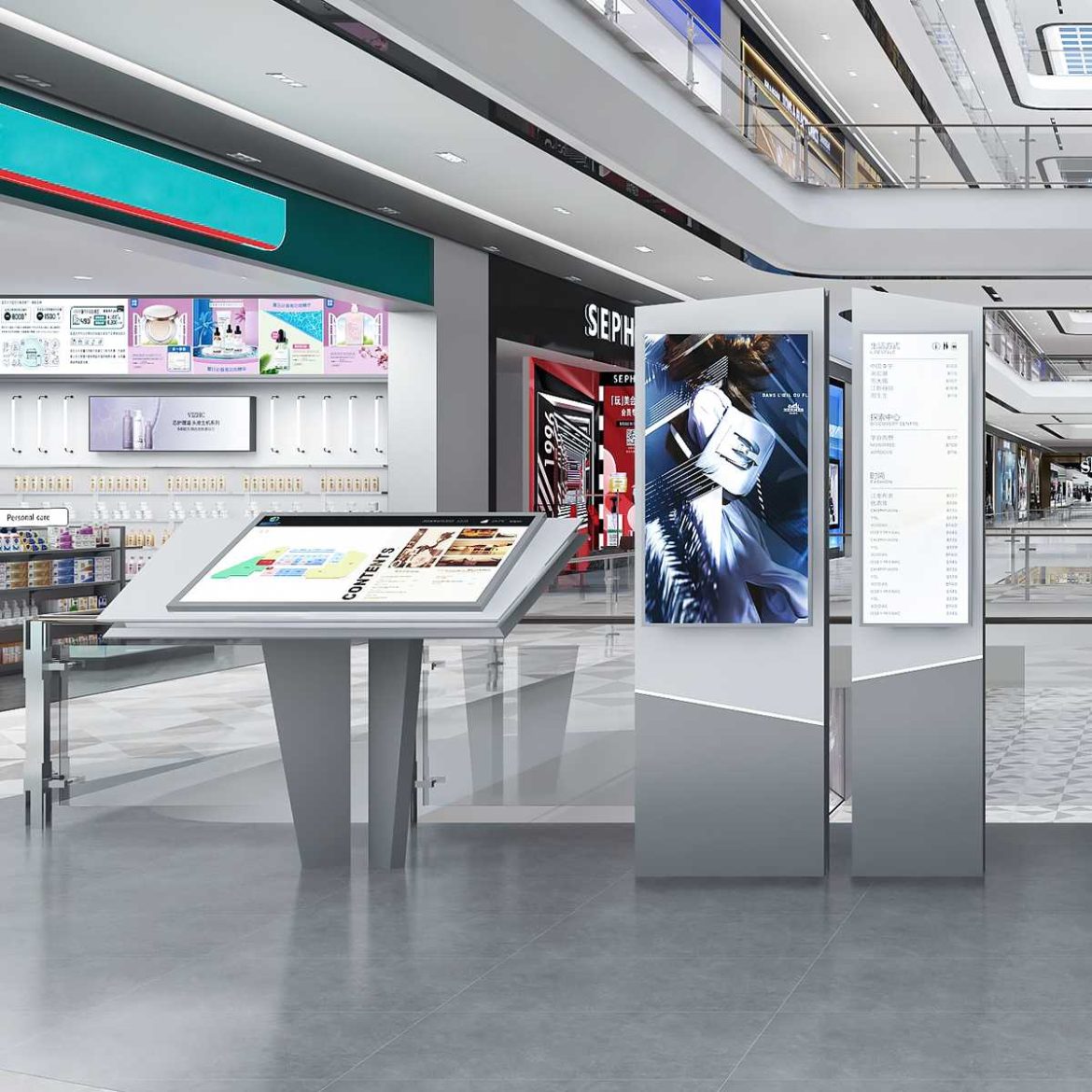
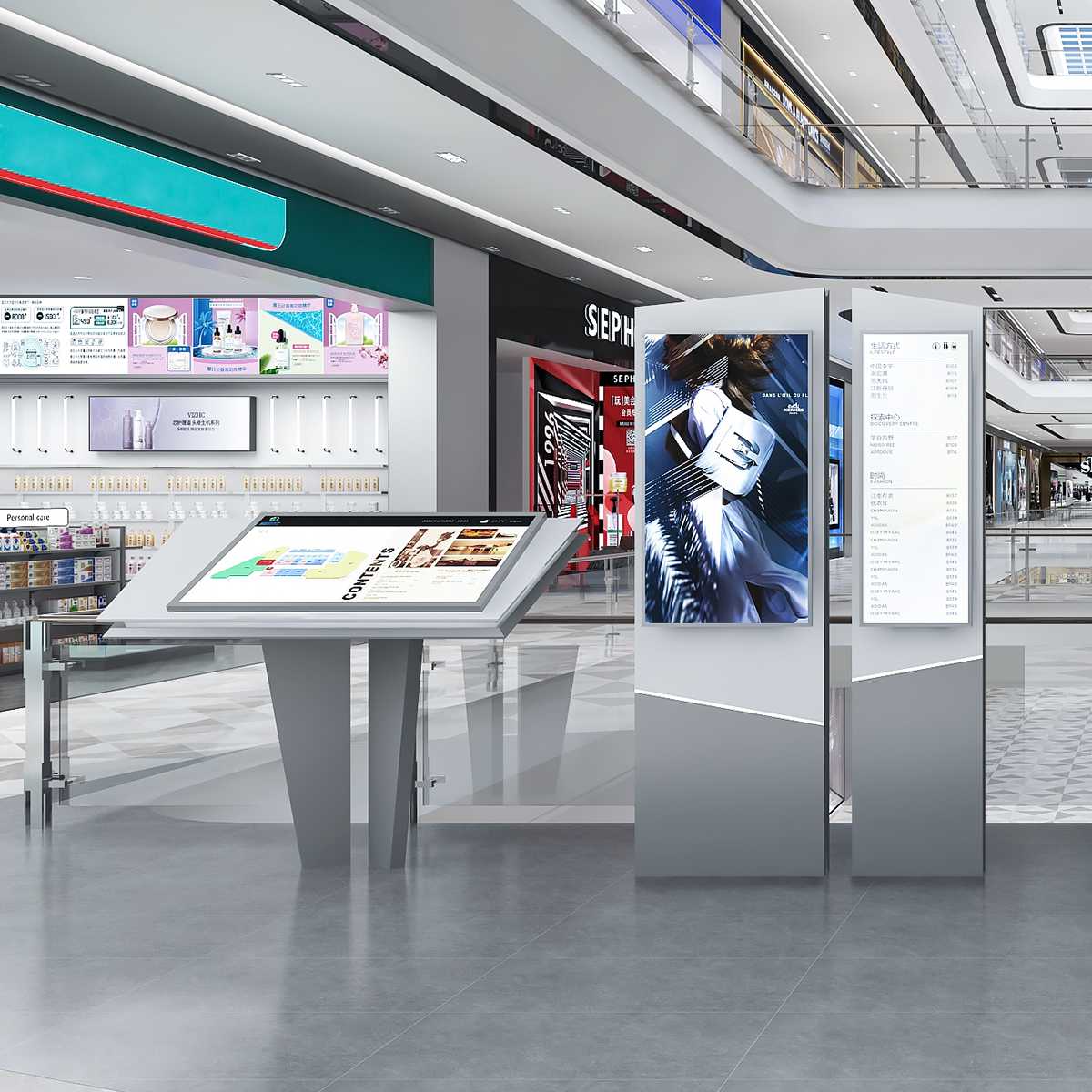
Designing rooftop identity signage for shopping malls demands more than aesthetics; it needs a structural blueprint. This framework marries civil factors—wind load, mounting brackets, and structural interface—with user-facing systems like content management system (CMS) and pixel pitch optimization. Early coordination with architects prevents costly retrofits and keeps LED panel performance consistent. For wayfinding clarity in large complexes, integrate digital wayfinding signage into the visual plan rather than treating it as an afterthought.
Stage 1 — Site and Wind Analysis
Begin with site-specific wind studies and rooftop capacity checks. Roof parapets, setback distances, and the building’s exposure category dictate allowable surface area and mounting strategy. Mall of America’s roughly 40 million annual visitors underline why stability matters: high footfall means brand-facing signage must be reliable under varied weather. Use structural engineers to translate local design codes into clear load limits and recommended anchor patterns.
Stage 2 — Structural Integration and Mounting
Create mount details that prioritize stiffness and redundancy. A welded bracket system combined with vibration-damping isolators reduces oscillation and extends LED module life. IP rating and corrosion-resistance specs should reflect coastal or inland exposure. When possible, route mounting loads to primary structural members rather than roofing membranes to avoid leaks and long-term repairs.
Stage 3 — Display Selection and Weatherproofing
Choose LED panels with appropriate pixel pitch for viewing distances and robust ingress protection. Thermal management matters—passive heat sinks plus smart airflow paths keep modules within operating temperature. Specify gaskets and drainage channels in enclosures to prevent condensation. Pair hardware choices with a predictable maintenance cadence; panels perform best when cleaned and recalibrated on a schedule.
Stage 4 — Systems and Content Strategy
Link hardware to a resilient CMS and network backbone. Wireless connectivity can support remote updates, but prioritize redundancy with a wired fallback. Content should respect scale: roof identity graphics need high-contrast, large-format assets to remain readable at freeway speeds and from parking decks. Integrating these decisions early simplifies later maintenance and reduces CMS complexity.
Common Mistakes and Alternatives
Teams often under-spec structural anchors or treat weatherproofing as a cosmetic add-on—these missteps shorten lifespan and drive up life-cycle costs. An alternative is a modular façade system that breaks a large sign into serviceable sections, easing repairs and minimizing downtime. Another route replaces continuous large-format LED with multiple smaller cabinets on independent mounts, which helps in high-wind zones by reducing sail effect.
Field Lessons — Practical Details that Matter
Install crews appreciate clear lift plans, specified torque values, and labeled connection points—this reduces field errors. Documented service access and spare-part kits speed repairs. And always plan for power distribution with surge suppression and isolated grounding to protect electronics. Small touches—like color-coded harnesses—save hours during night-time service windows. —A short on-site note from project managers often prevents repeat visits.
Advisory: Three golden rules for evaluating rooftop signage systems
1. Structural Compatibility: Verify anchor loads, roof capacity, and dynamic wind response against local code; if the mount can’t prove redundancy, it fails the long-term test. 2. Environmental Specing: Match IP rating, corrosion class, and thermal design to the site’s climate—mistakes here mean premature failures. 3. Operational Resilience: Require CMS failover, clear maintenance access, and spare-module strategy so uptime stays above commercial expectations.
These rules translate directly into measurable outcomes: fewer emergency repairs, predictable maintenance budgets, and stronger brand visibility for high-traffic centers like Mall of America. My approach reflects engineering practice and on-site installation experience, and it ties technical choices to real commercial value. Cosun Sign. —built to hold through wind and time
