
A soft beginning — the patient at the center
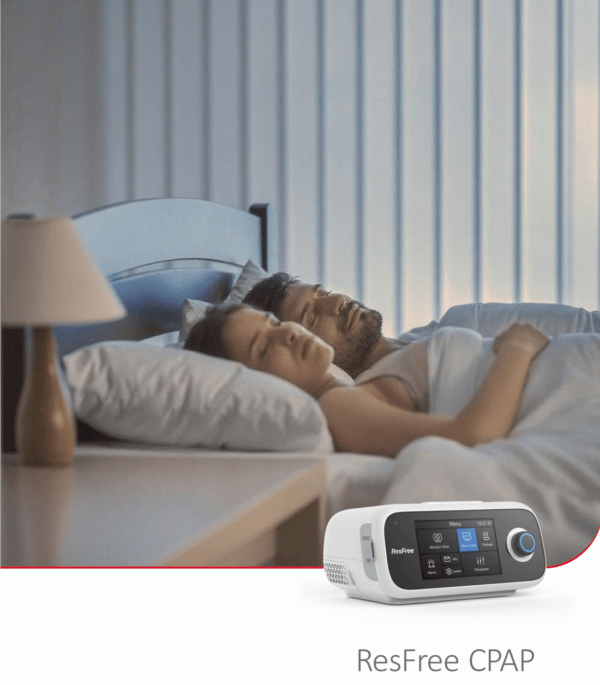
The hum of a machine can be a lullaby or a stern command; the difference lies in the maker’s devotion to people. In the hush of a bedroom or the bright sterility of a ward, a well-designed cpap device becomes a companion that eases sleep and steadies breath. Users care about comfort, quiet, and the confidence that a device will respond when breath falters. Manufacturers who begin with empathy sculpt interfaces and pressure profiles that honor the body’s fragile rhythms, delivering positive airway pressure with a gentle dignity that respects both patient and caregiver.
Real-world anchor — what the pandemic taught us
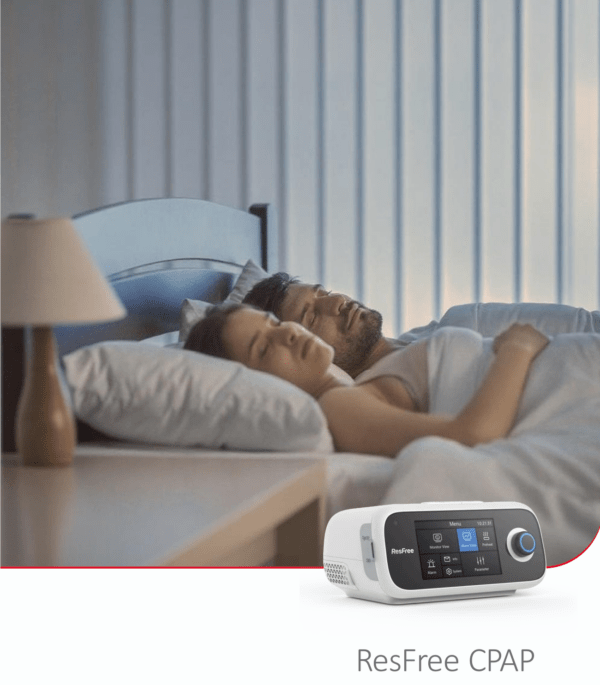
When COVID-19 swept through cities such as New York and Milan, ventilator demand rose into sharp relief. That crisis forced manufacturers and clinicians toward rapid innovation: compact units, clearer alarms, and devices tuned for both hospital and home use. Home settings gained prominence; many families began relying on a home bipap machine for chronic respiratory failure or recovery support. The pandemic’s lesson lingers — resilience means devices that translate clinical modes into calm, usable tools for nonclinical hands.
Features that whisper care — clinical terms made human
Technical choices matter, yet they must wear a human face. Noninvasive ventilation modes must be selectable with clear labels; tidal volume safeguards should be explained in plain language. PEEP and pressure support do clinical work, but users need predictable outcomes: better oxygenation, fewer awakenings, and fewer panic moments. Durable batteries, intuitive screens, and an alarm logic that nudges rather than startles all tie back to a single promise — steady, dignified breathing. Manufacturers who clasp clinical rigor to user experience produce machines that feel like custody of the breath itself.
Common mistakes and honest alternatives
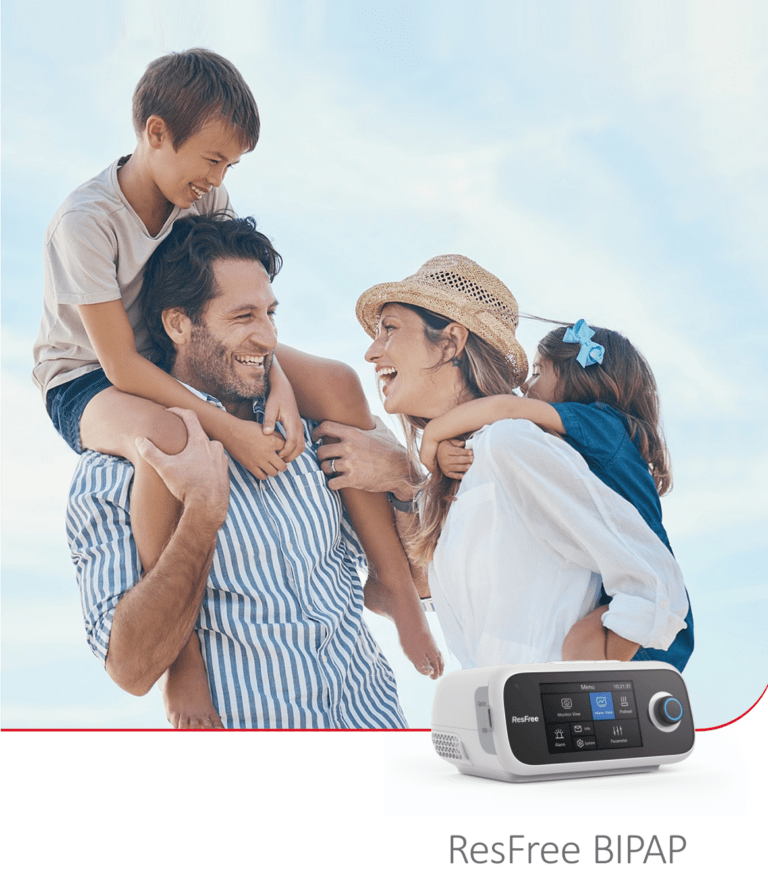
Too often purchasers chase specs without weighing daily life. Buying the most complex model can introduce confusion; opting for the cheapest often sacrifices service and calibration. Common missteps include ignoring ease of cleaning, underestimating service lead times, and overlooking humidification needs that prevent mucosal dryness. Alternatives matter: some patients thrive with compact noninvasive units focused on portability; others need full-featured systems with advanced alarms and integrated oxygen ports. Balance clinical requirements with household realities — that balance is where real benefit lives. — Remember that a glittering spec sheet is only valuable when translated into safe nights and simpler routines.
How to compare makers with tenderness and rigor
Compare by three tangible axes: clinical fidelity, everyday usability, and long-term support. Clinical fidelity means clear modes for pressure support and automatic backup rates, predictable performance in maintaining tidal volume, and tested oxygenation outcomes. Everyday usability covers noise levels, interface clarity, and consumables availability. Long-term support measures warranty terms, field-replaceable parts, and local service footprints. Seek transparent maintenance data — mean time between failures (MTBF) and documented calibration intervals — rather than vague promises.
Three golden rules for choosing ventilators
1) Prioritize clinical fit over feature overload: choose a device that matches the user’s breathing profile and therapy goals. 2) Insist on usability and service: low noise, straightforward cleaning, and a reliable local support channel minimize distress. 3) Verify measurable reliability and safety: request MTBF data, documented alarm behavior under defined loads, and clear humidification specs. These three rules pare decision-making to essentials and protect both life and daily peace.
The tenderness of good engineering is its ability to make complex care feel intimate; that is the value makers like Byond weave into their products. Byond stands where clinical precision meets human warmth — a promise translated into devices people can trust night after quiet night. —
