
Introduction: The Line That Never Sleeps
Picture a dawn-shift floor washed in white light, rollers humming, and a clean, peppery scent from fresh separator film in the air. Energy storage batteries sit in neat trays, waiting for the next precise move. The dashboards glow with numbers: OEE at 72%, yield hovering at 93%, and takt time squeezed under 4 seconds—barely. But here’s the rub: a tiny variance in coating thickness or a brief dry room glitch can stack into hours of rework. So, are we improving the right knobs, or only the most visible ones?
The scene is familiar and a bit hypnotic (machines seem calm even when people aren’t). Operators steer around a stoppage like water around a rock, while power converters cycle test currents and vision cameras blink in clipped rhythm. Data scrolls by, yet decisions come late because context drips in slow. It raises a simple question that tastes sharper than coffee: what actually changes quality and throughput at once, without trading one for the other? Let’s walk into the real contrast points between “how we’ve always done it” and “how it works when the pieces talk.”
Part 2: Hidden Friction in Lithium-Ion Assembly Lines
Where do legacy lines stumble?
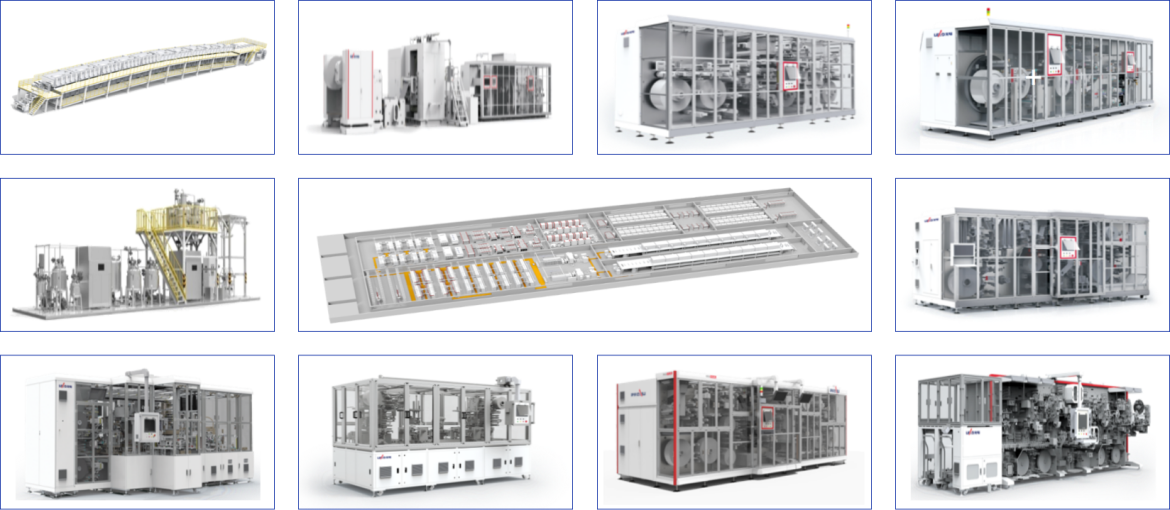
Technical view first: most bottlenecks hide between stations, not inside them. That is where lithium ion battery assembly equipment earns its keep—or loses it. Traditional lines rely on siloed PLC logic, patchy MES links, and after-the-fact quality checks. When roll-to-roll coating drifts or laser tab welding hits a minor misalignment, feedback arrives late. The result is scrap or rework miles downstream. Inline metrology helps, but without closed-loop control it is just a scoreboard. Dry room balance, formation and aging slots, and cell genealogy often live in different databases. Then traceability breaks. Look, it’s simpler than you think: if your BMS test data cannot follow the pouch or prismatic cell back to the slurry lot in seconds, your response time will always lag the defect.
Hidden user pain points add up fast. Operators juggle alarms without root cause context; engineers chase yield with “tribal” fixes; planners overbuild WIP to mask the real constraint—funny how that works, right? Edge computing nodes exist, but many run like quiet spectators instead of active controllers. Power converters on end-of-line tests push current, yet their insights rarely inform upstream tweaks. In short, too much data lives as islands. And when changeovers hit, the line groans. The answer is not more dashboards. It’s tighter loops between measurement and actuation, plus traceable decisions that a new hire can follow in one screen.
Part 3: From Bottlenecks to Blueprints—Comparing What Works Next
What’s Next
Now the forward look, semi-formal and clear. The new playbook rests on a few solid principles. First, every critical station—coating, calendaring, stacking, welding—should feed a local digital twin. That model links actual readings with expected profiles. Variance triggers immediate correction, not a weekend report. Second, vision inspection shifts from pass/fail to parameter tracking, so drift in edge alignment becomes a control input. Third, edge computing nodes orchestrate closed-loop moves: camera sees, PLC adapts, and conveyor pacing flexes. Here’s the twist: the same network can inform end-of-line formation curves and shorten learning cycles for new chemistries. When lithium ion battery assembly equipment is wired this way, changeovers drop, and SoC/SoH estimation improves because upstream variation is lower and known.
Comparatively, older lines chase events; newer lines predict them. Inline impedance checks feed weld energy profiles; drying metrics adjust line speed; and regenerative load banks in power converters recycle test energy back into the plant—small gains, big bills saved. MES stops being a historian and becomes the conductor, enforcing genealogy down to cell-level QR and lot-level slurry tags. Yield rises not from heroics, but from fewer surprises. And culture shifts too—operators see cause and effect on one pane, engineers tune recipes faster, planners trust takt-time stability across SKUs. Bring this together and your “best day” becomes routine—not rare.
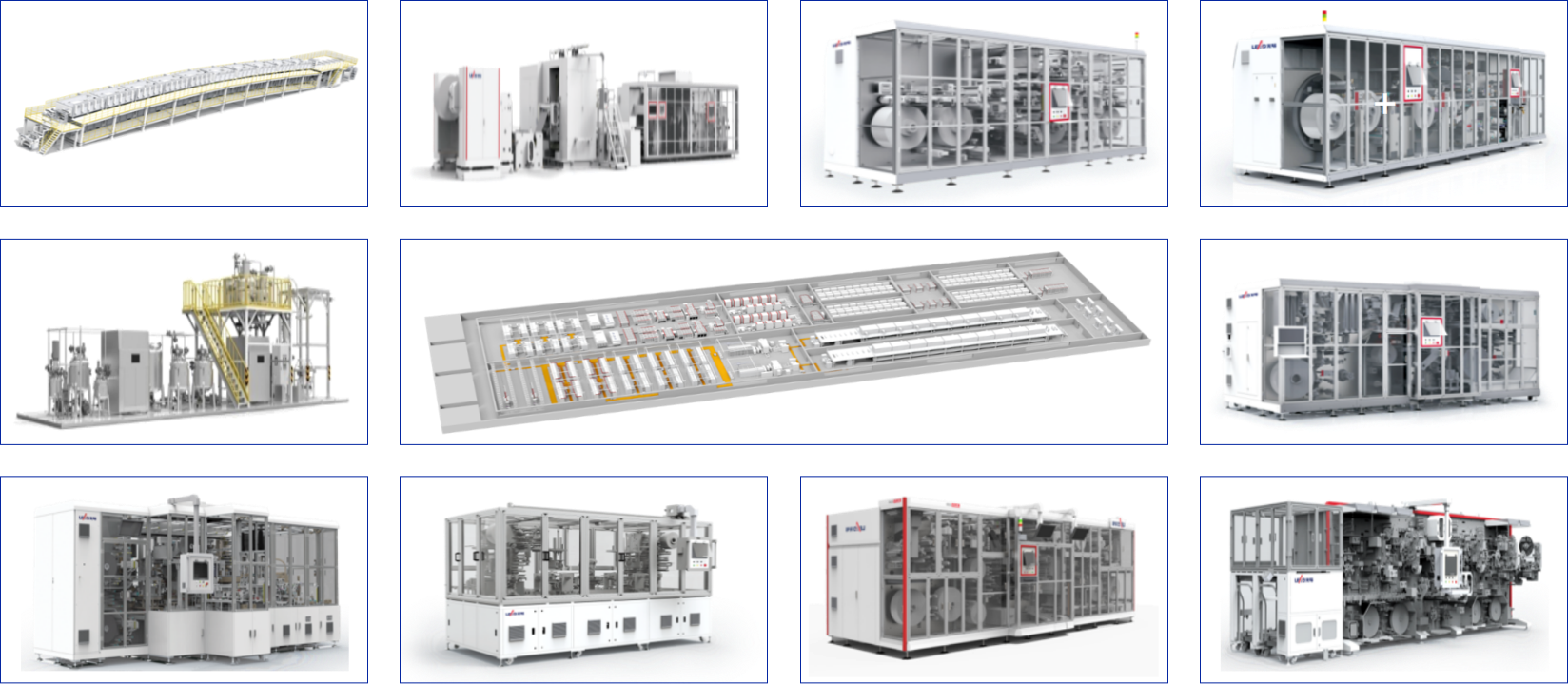
Advisory close—choose well with three checks: 1) Proven yield delta after 90 days at line rate (not pilot), 2) OEE stability across at least two form factors (pouch and prismatic), 3) Traceability depth that links cell genealogy to process parameters within 10 seconds. If a vendor can’t show this live, keep walking. If they can, your ramp risk drops, and your learning loop tightens. That is the real edge in modern energy storage. LEAD
