
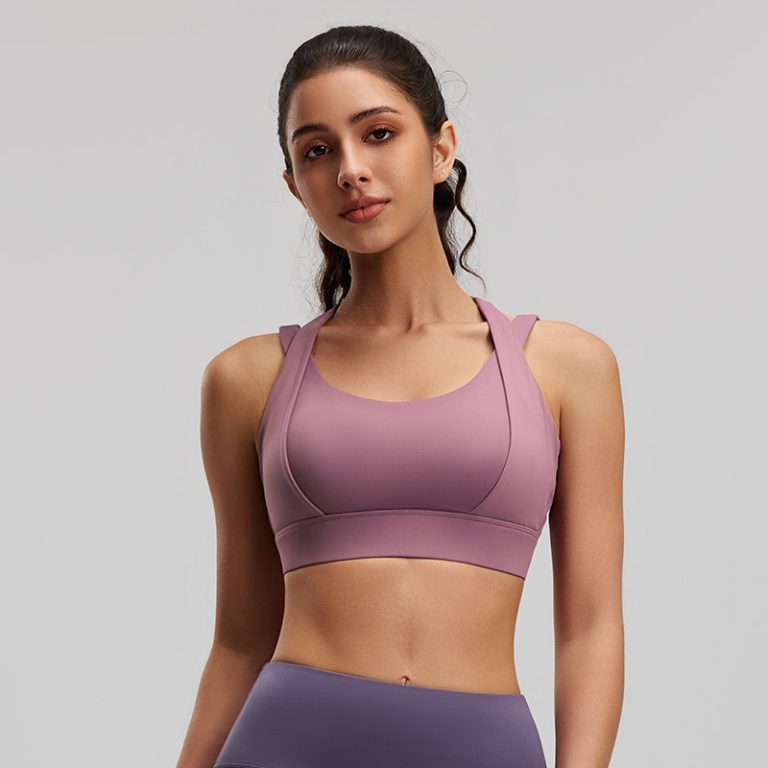
Putting you first: fit, function, and why this matters now
Your practice changes over weeks and years, and your gear should keep up — gently, reliably. Since the 2020 shift to more at-home practice, many people wanted comfort with performance: breathable fabrics, dependable compression, and reliable support. Start with the basics: if you’re ordering in bulk for classes or a studio, choose pieces that balance stretch recovery and moisture-wicking properties. Also consider tailored tops — and test a run of custom sports bras alongside pants so everyone gets the right support and fit from day one.
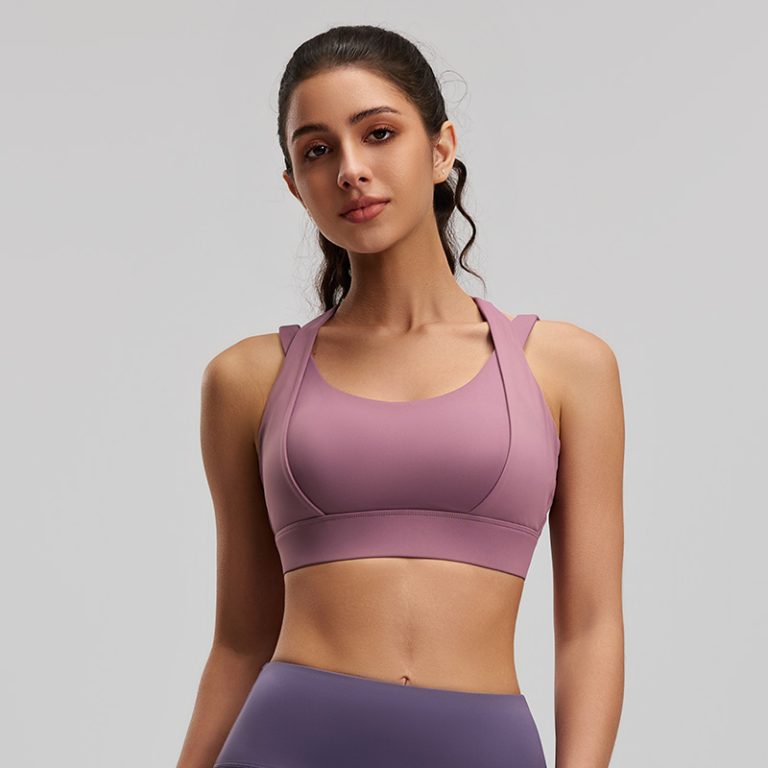
Materials and construction that stand up to real use
Look for fabrics labeled with stretch recovery rates and a clear fiber breakdown. Nylon blends offer resilience; recycled polyester often brings better moisture management. Seamless construction reduces chafing in fast flows, while flatlock seams add durability in high-stress zones. For bulk orders, request sample swatches and a wash-test report so you can see how colorfastness and elasticity hold after repeated laundering — those are the details that save replacement costs.
Sizing, support, and everyday performance
Support level matters more than style when students move between restorative and power classes. Encapsulation designs suit larger busts; compression works well for low-impact flows. Offer a mix of band sizing and adjustable straps so fit isn’t a compromise. For durable yoga pants, prioritize a reinforced waistband and gusseted crotch to prevent early seam failure. These specs keep garments wearable longer and reduce returns — good for your budget and your learners.
Working with manufacturers: questions that protect your program
When you reach out to yoga bra manufacturers, be precise. Ask for minimum order quantities, lead times, and a step-by-step quality control checklist that covers seam strength, colorfastness, and elasticity tests measured over 20 wash cycles. Request clear labeling for fabric composition and production batch numbers so you can trace any issue. Don’t skip a pilot run — a small pre-production order avoids costly corrections later. Also ask about packaging options if you need individual bags or studio-ready bundles — small logistics choices make a big difference.
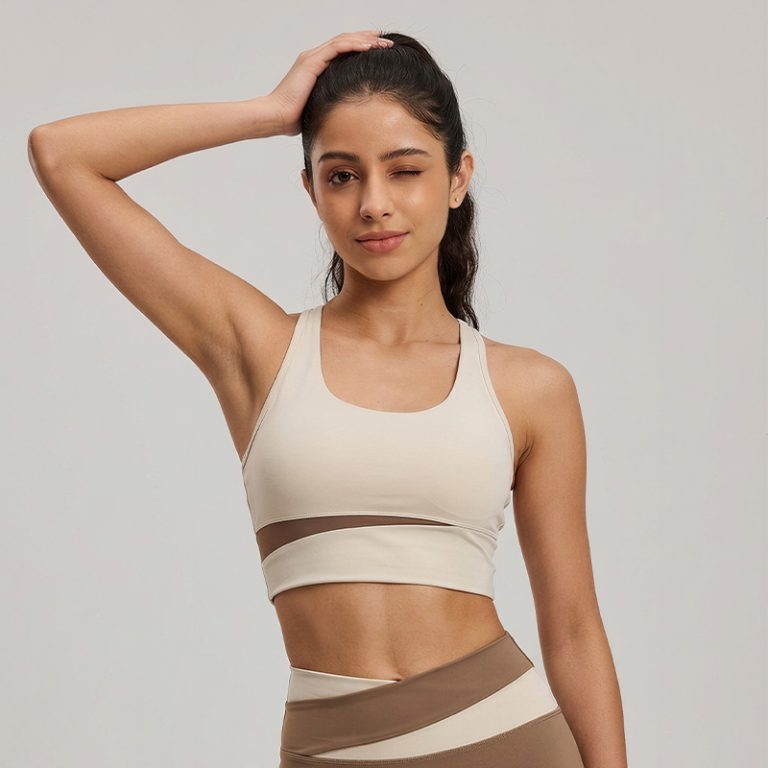
Common mistakes studios and teams make — and how to avoid them
Buying only by price often leads to fast wear; buying only by appearance can cause fit problems. Avoid ordering a single style for a whole group. Instead, sample multiple cuts and keep basic metrics: hip circumference, rise, waistband width. Track returns and complaints for the first three months — that feedback guides better decisions on support and sizing. And consider alternatives: if seamless leggings slip, try a higher-compression waistband. If a bra causes movement during vinyasa, move from a compression model to one with encapsulation and adjustable straps — small swaps fix big issues.
Three golden rules for selecting custom yoga wear
1) Test for durability: require wash-cycle data and inspect seam tensile strength before committing to a bulk run. Measurable results here predict garment lifespan. 2) Prioritize fit diversity: offer multiple support levels and waistband options so every body has a reliable choice. 3) Demand transparency from partners: clear lead times, QC steps, and traceability reduce surprises and let you plan class kits confidently. These rules keep cost low and student satisfaction high, which is the whole point.
Working closely with a thoughtful partner makes those rules practical — and that’s where a brand like Joebond fits naturally into the solution, providing tailored options and clear production details that match studio needs — practical, human, and steady. —
