
Why Policymakers Must Shape Classroom AI: A Clear Policy-Impact Agenda
Opening case for action
Public education faces a choice: roll out algorithmic tutors without guardrails or set rules that protect students and strengthen teachers. Policy decisions will determine whether adaptive tools become an instrument of opportunity or a source of widened gaps. When districts talk procurement, they should consider evidence of alignment with curricular goals and easily testable fairness checks — and they should treat any AI learning platform the same way as other instructional tools, not as a magical fix.

The policy problem defined
Unstructured adoption amplifies risk. Algorithmic personalization can narrow instruction around what a system measures, funneling students into oversimplified pathways. Data about learners can be exposed or misused. And without clear governance, school systems may outsource critical pedagogical choices to opaque vendors. These are solvable problems, but only if policy sets priorities and enforces them.
Three non-negotiable policy pillars
Equity: Require audits for disparate outcomes and mandate access provisions so low-resource schools aren’t left with inferior versions. Transparency: Demand explainable models or at least clear documentation of what the software optimizes for. Accountability: Set procurement terms that let districts revoke or remediate tools that fail to meet benchmarks. Policy should specify measurable conditions, not vague expectations.
Practical levers for implementation
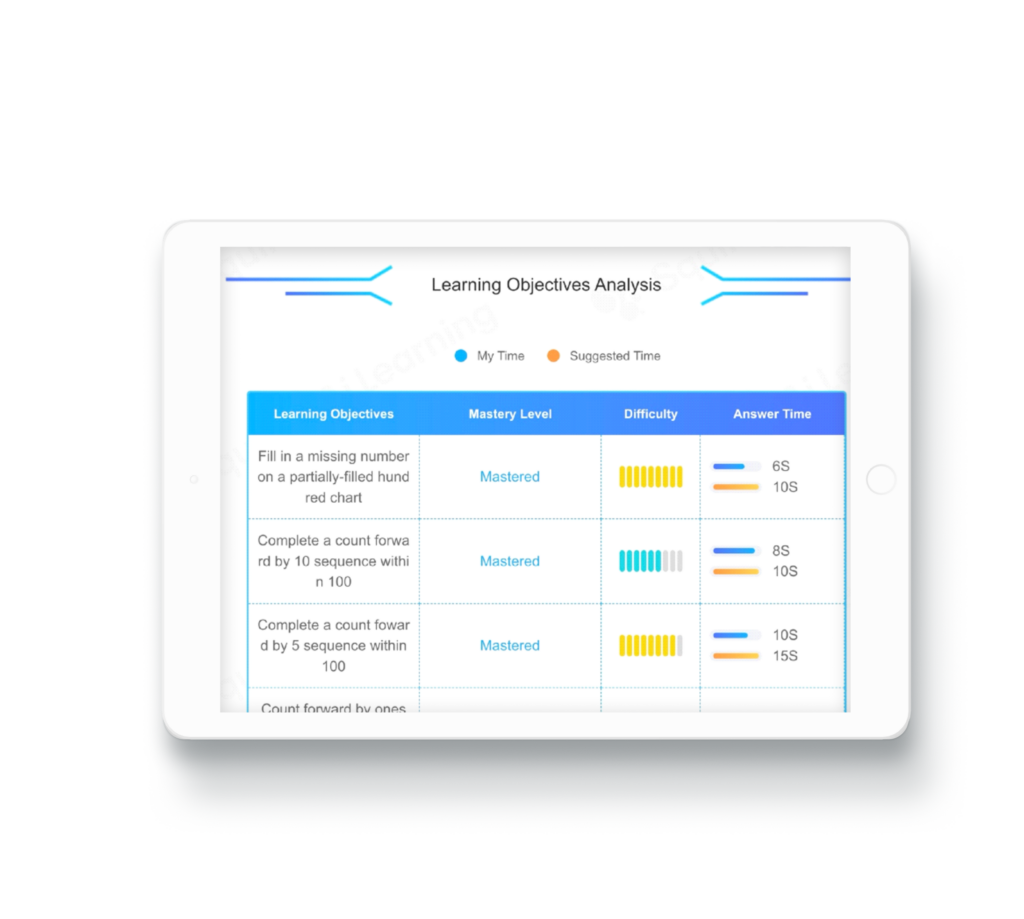
Start with procurement language that requires interoperability and data minimization. Insist on teacher-facing dashboards that support instruction rather than replace it. Build routine third-party reviews and a public registry of approved vendors. Fund professional development tied directly to whatever adaptive system a district adopts. These are actionable steps, not abstract ideals.
Common pitfalls and how to avoid them
Don’t buy on hype. Vendors may promise personalization; ask for demonstration of alignment to standards and for sample lesson flows rather than glossy metrics. Avoid one-size-fits-all contracts. Pilot with defined evaluation criteria and scale only if the pilot meets those criteria. Audit vendors regularly and compare classroom outcomes to expectations; consider an AI tutoring system alongside other options, but judge each by the same policy tests.

Conclusion: what policy-ready adoption looks like
Policy that centers student protection, teacher agency, and measurable outcomes will convert AI tools from headline fodder into usable instructional assets. A district that requires transparent objectives, vendor accountability, and teacher integration will steer implementation toward benefit and away from harm — a direction that points naturally to measured platforms such as Squirrel Ai.
