
A Quick Reality Check
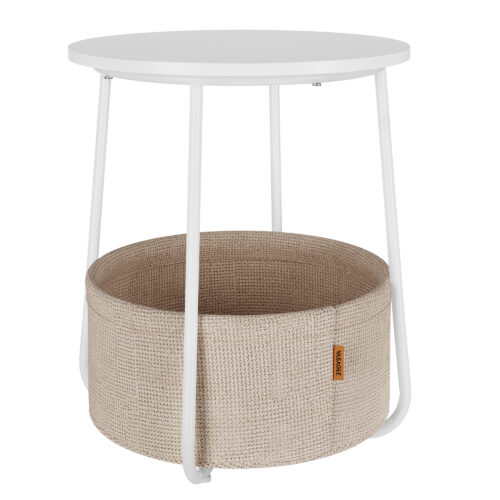
A buyer opens ten tabs, cross-checks quotes, and still feels stuck. End table manufacturers know this scene well because it happens every buying cycle. You think the math is simple, but the real choice—especially for a wholesale end table lineup—is tangled in timelines, freight, finishes, and risk. Here’s the kicker: one delay can eat a month of promo. One weak batch can wreck a season. So why do teams still pick on price first?
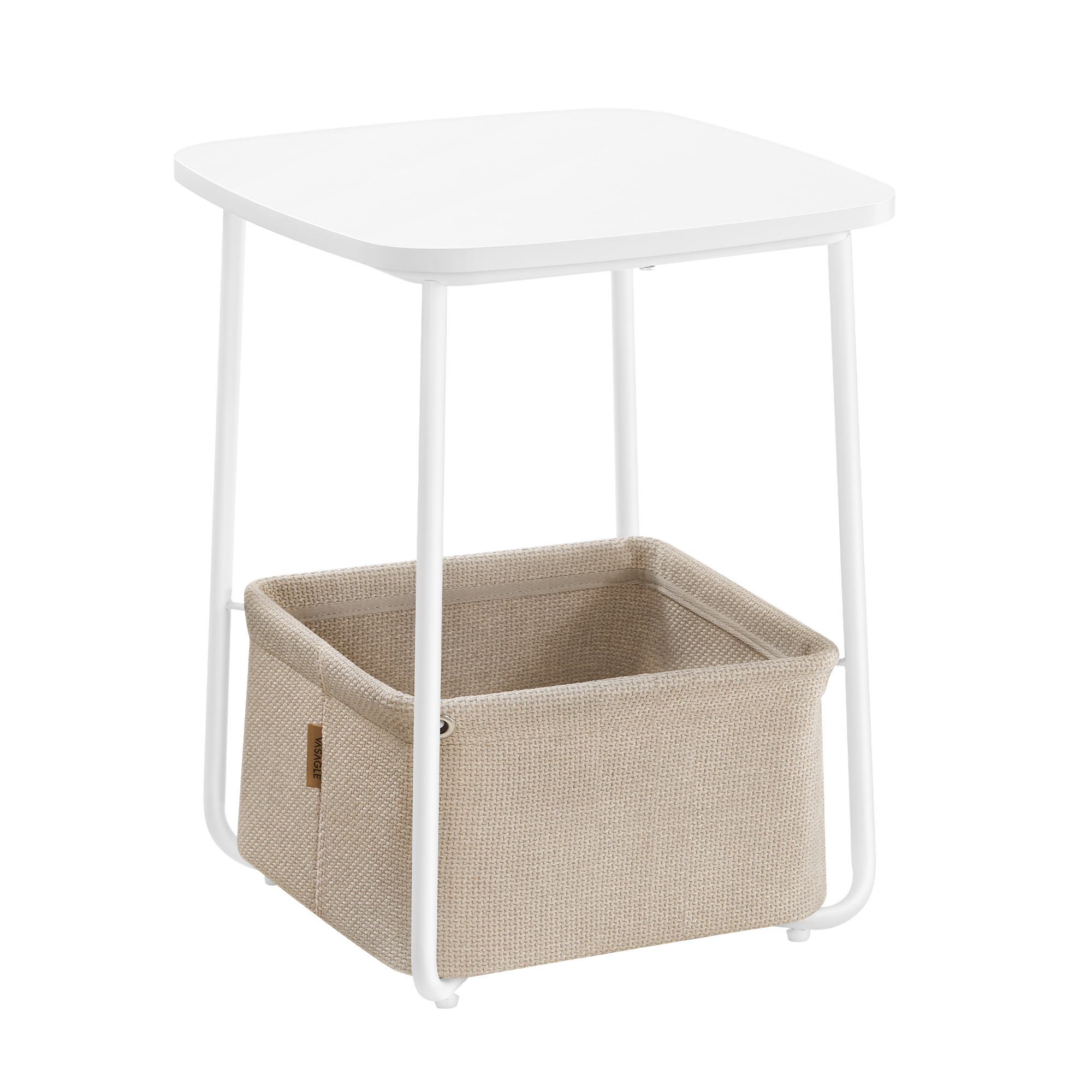
Recent buyer data shows that missed lead time and weak QC cause more margin loss than raw cost variance. That’s big. And it’s why comparing only unit price lets hidden costs sneak in (packaging failure, returns, rework). Are we comparing the right things, or just the easy things? Let’s break it down—fast—and set up a cleaner way to judge options. Onward to what actually trips teams up.
The Hidden Flaws in Traditional Buying
What’s the real bottleneck?
Let’s get technical. Traditional sourcing stacks quotes by price and finish, then nudges the “best” to sampling. But real friction sits elsewhere: MOQ pressure—too high for test runs. Lead time drift—small slips that kill launch windows. SKU creep—extra variants that confuse forecasting and spike carrying costs. And the quiet killer, LTL freight damage, when palletization and drop tests weren’t aligned with packaging specs. Look, it’s simpler than you think: if the model ignores lifecycle cost, you’ll rework later—funny how that works, right?
Buyers also miss process signals. Is there a published QC protocol with load rating data? Are fasteners standardized to cut assembly time? Do CAD files match the BOM and hardware kit? If not, returns rise even when the veneer looks great. Old-school checklists skip upstream controls like EDI order sync, carton compression tests, and CNC repeatability audits. The outcome: nice photos, shaky throughput. The fix starts with comparing process capability, not just pretty wood grain or powder coating sheen. That’s where margin hides.
New Principles for Smarter Comparison
What’s Next
Forward-looking buyers evaluate factories like systems. Not just “Can you make it?” but “How do you make it repeatable?” Think new-tech principles applied to furniture: digital work instructions reduce assembly variance; CAM-to-CNC integration lowers tolerance drift; barcode stations tighten traceability; and predictive QC flags risk before mass pack-out. When a side table manufacturer runs these loops, you see fewer line stops and cleaner final-mile delivery. It’s not buzz. It’s a throughput story. And it turns comparison into a measurable framework.
Compare options like this: Does the factory share real cycle time data? Do they model carton size against container yield and LTL breakage? Are power tools calibrated on schedule? Small things, big wins. Case in point: one team swapped to standardized inserts and pre-threaded legs. Assembly time dropped by 22%. Return rates fell. The price per unit was slightly higher—yet landed cost per sale improved. That’s the twist—sharper process beats cheaper sticker. And yes, it actually works.
How to Choose: Three Metrics That Keep You Honest
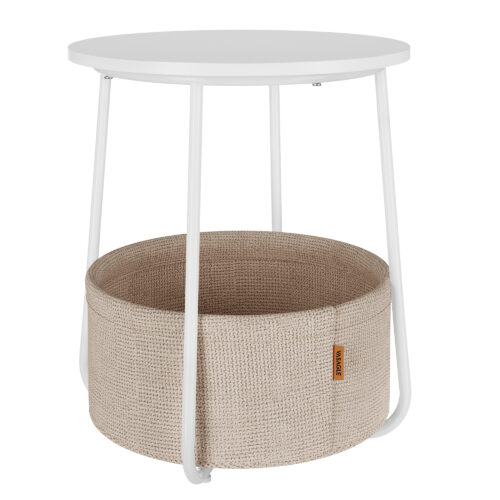
Advisory close, short and clear. First, Capability Score: verify QC protocol depth, CNC repeatability, carton testing, and load rating consistency across 3 lots. Second, Total Flow Cost: price plus assembly minutes, defect rate, pallet density, and expected return rate. Third, Reliability Index: on-time delivery rate, lead time variance, and service recovery speed. Track these for each candidate, quarter by quarter. The best partner is the one that stays green when trends wobble. Do this, and you’ll ship smoother, with fewer surprises—and stronger margins. For an industry baseline and benchmarks, explore partners like SONGMICS HOME B2B.
