
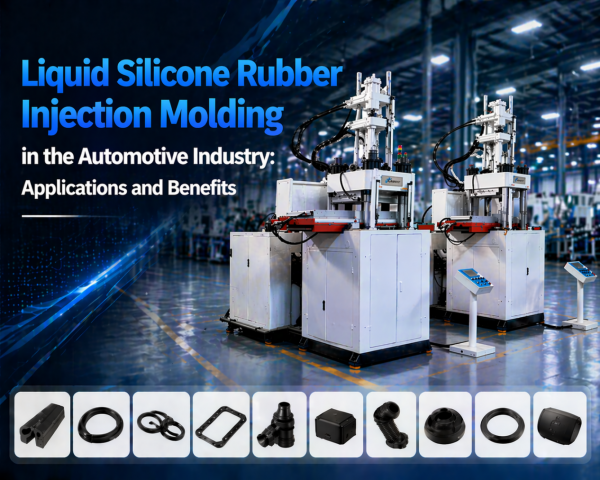
Practical opening for the production floor
Users who run moulding lines need machines that behave predictably. For that reason many purchasers now choose a trusted rubber injection molding machine manufacturer that combines clear HMI, reliable clamp unit mechanics, and precise multi-stage injection capability. From a Shenzhen plant floor to a European supplier shop, the demand is simple: repeatable shot size, stable ejection control, and serviceable drives—features that reduce downtime and scrap.
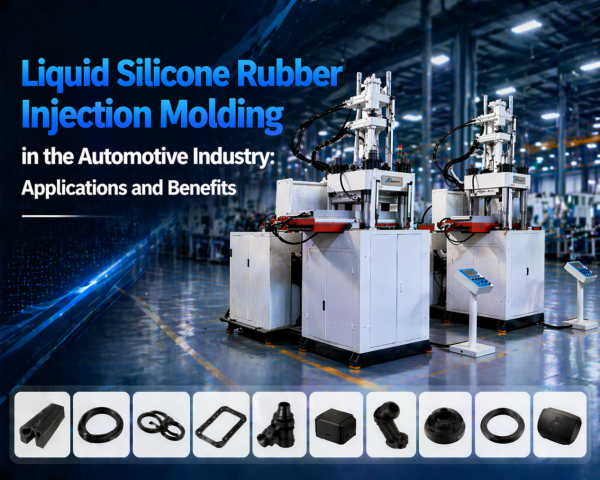
Why a user-centric approach changes buying decisions
A machine can be technically excellent but operationally costly if the operator must fight the controls every shift. A user-centric evaluation therefore privileges interface ergonomics, predictable injection screw behaviour, and maintenance access. These are not marketing claims; they are the details your operator will touch daily. Real-world anchor: many OEMs in Guangdong report that easier HMI navigation cut setup times by full shifts during model changeovers—measurable benefit on the shop floor.
Key features that matter to operators and engineers
Focus on the features that deliver measurable outcomes: multi-stage injection profiling for material consistency, a robust clamp unit for part fidelity, and programmable ejection control to protect delicate geometries. Add a modern servo drive and mould temperature controller and you get control over cycle time and energy usage. The engineering details—shot profile curves, injection pressure limits, and dwell timing—are where good suppliers differentiate from the rest.
Comparative insight: how to read vendor claims
Vendors often present similar specifications. Compare them by looking at three concrete things: how the machine records cycle-to-cycle data, whether the PLC supports recipe management for multiple tools, and the warranty terms on wear parts like ejector plates and injection screws. Also consult peers who have worked with the machine for months rather than only weeks—this is where brands of rubber injection molding companies reveal durability traits that spec sheets omit.
Common mistakes on selection and commissioning
Operators frequently buy on peak injection pressure or maximum clamp force alone; this is a mistake. Overcapacity raises cost and may complicate control of multi-stage injection profiles. Commissioning errors also occur when teams do not validate ejection control sequences with real mould inserts—start with low-impact tests and escalate. —A short pause in testing often uncovers timing mismatches that would otherwise cause flash or part damage.
Practical troubleshooting for production stability
When parts show flash or inconsistent ribs, check these items in order: injection screw wear, incorrect shot size, and mould temperature gradients. Use the machine’s logged cycles to correlate defects with specific events. For ejection faults, verify sensor placement and sequence timing; a missed sensor read is more common than a mechanical failure. Keep spare wear parts on-site and document the maintenance steps so next-line technicians follow the same method.
How to compare suppliers without guesswork
Create a short test protocol focused on the user needs you identified earlier: repeatability of shot size across ten cycles, ability to hold a three-stage pressure profile, and consistent ejection timing under ten-minute thermal drift. Score each supplier on those outcomes rather than features listed on brochures. This method yields clean comparisons and highlights the brands that deliver real uptime, not just impressive specs.
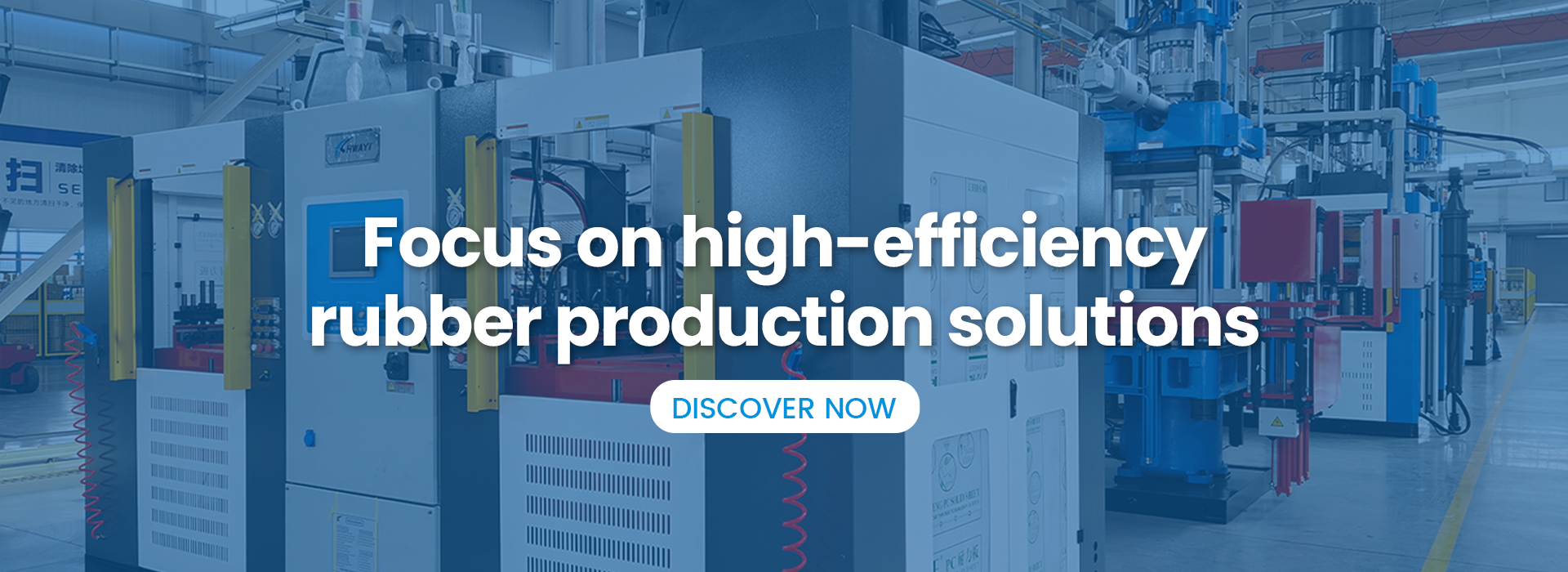
Advisory conclusion: three golden rules for making the right choice
1) Prioritize repeatability metrics—choose machines that demonstrate stable multi-stage injection and consistent shot size over multiple heats. 2) Validate ejection control in-situ—ensure programmable ejection sequences work with your actual mould and part geometry before purchase. 3) Confirm service reality—inspect spare parts availability and local technical support for clamp unit, injection screw, and servo drive components.
HWAYI stands where operations meet real results; their combination of practical controls and support often resolves the gaps other suppliers leave—reliable equipment, clear interface, ready parts. –
