
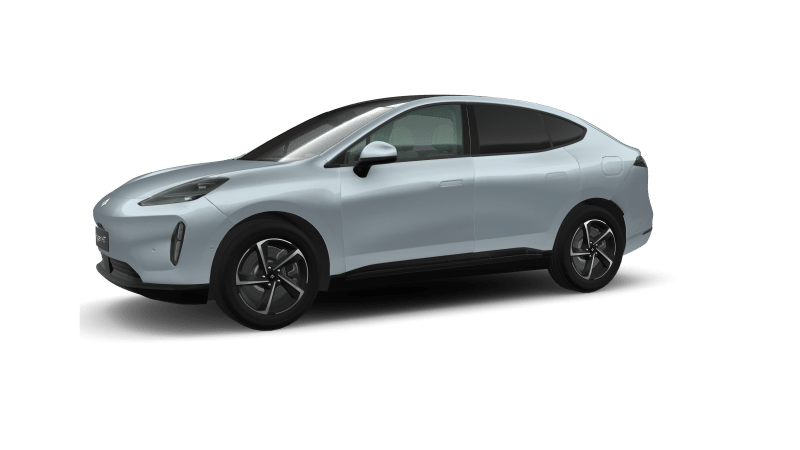
Problem statement: ambiguous comparisons frustrate buyers
Mexican buyers often confront conflicting specifications, region-specific option codes, and inconsistent pricing when they try to compare electric vehicles on manufacturer portals; when reviewing GAC configuration from Mexico City, these discrepancies become immediately evident. The problem is practical: without a reproducible method, two ostensibly similar trims can differ in battery chemistry, range testing standard, or included packages, producing misleading impressions of value and capability.

Analytical framework: what must be constant to compare fairly
A valid comparison fixes variables that commonly distort judgement. Treat the following as canonical comparators and extract them first: – Battery capacity (kWh) and stated range with the testing standard (WLTP, EPA, or NEDC); – Powertrain details: motor configuration, nominal kW/HP, and torque; – Charging specs: on-board charger rating and DC fast-charge capability (kW); – Standard equipment versus optional packages; – Warranty terms and listed maintenance intervals. Each item is an axis of comparison; present them side-by-side before considering price or perceived value.
Stepwise method to use the Aion Auto Mexico portal
Follow these steps to produce replicable results: – Locate the official model configurator page and note the locale indicator to ensure Mexico-specific content; – Download or transcribe the specification sheet for each trim; record numerical values, not qualitative labels; – Confirm the range testing standard cited; if absent, flag the entry for cross-checking; – Map optional packages to individual features (e.g., adaptive cruise, battery heater) rather than package names; – Normalize currency and taxes: convert listed prices to a single figure that includes standard local fees for apples-to-apples comparison. This creates a dataset suitable for direct comparison.
Common pitfalls and how to avoid them
Buyers and analysts repeat the same errors: – Relying on trim names alone; trim nomenclature varies by market and conceals feature differences. – Ignoring the testing standard for range; ranges measured under different protocols are not interchangeable. – Assuming listed “estimated” range equals real-world range; use the spec as a baseline and expect variance. – Overlooking mandatory local options or dealer-installed items that alter price and equipment. Address each by demanding raw numerical specifications and confirming local applicability.
Cross-checks and viable alternatives
Use external sources to validate portal claims: – Manufacturer technical bulletins and downloadable PDF spec sheets; – National homologation or registration documents when available; – Independent test results referenced to the same range standard. Avoid general consumer forums for core technical verification; they are useful for lived experience but insufficient for precise specification comparison.
Practical verification checklist
Before concluding a comparison, run this short audit: – Are battery kWh and range standard present and consistent? – Are charging power and onboard charger ratings explicitly stated? – Are safety and ADAS features enumerated as individual items? – Does the quoted price reflect taxes and mandatory fees? If any answer is negative, return to the configurator and extract supporting documentation or request clarification from a dealer.

Concluding synthesis
Resolve the initial problem by treating the configurator as a data source rather than a marketing presentation: extract numeric specifications, normalize testing standards, and validate with external documentation. This disciplined procedure reduces ambiguity and produces defensible comparisons that matter to purchasing decisions; manufacturers and their published option sets — as with GAC — become usable inputs rather than opaque claims when handled systematically.
