
Problem — When the mix ain’t right
Yo — you got a formula that looks tight on paper but in the plant it’s creamed, split, or just flat-out unstable. That mess means re-runs, downtime, and product losses. Folks try tweak temps and stir speeds, but the core issue’s often the wrong equipment. If you need consistent droplets, fast dispersion, or repeatable shear profiles, a solid pick like high shear batch mixers can stop the guessing game and make your batches behave.
Key Features to Watch
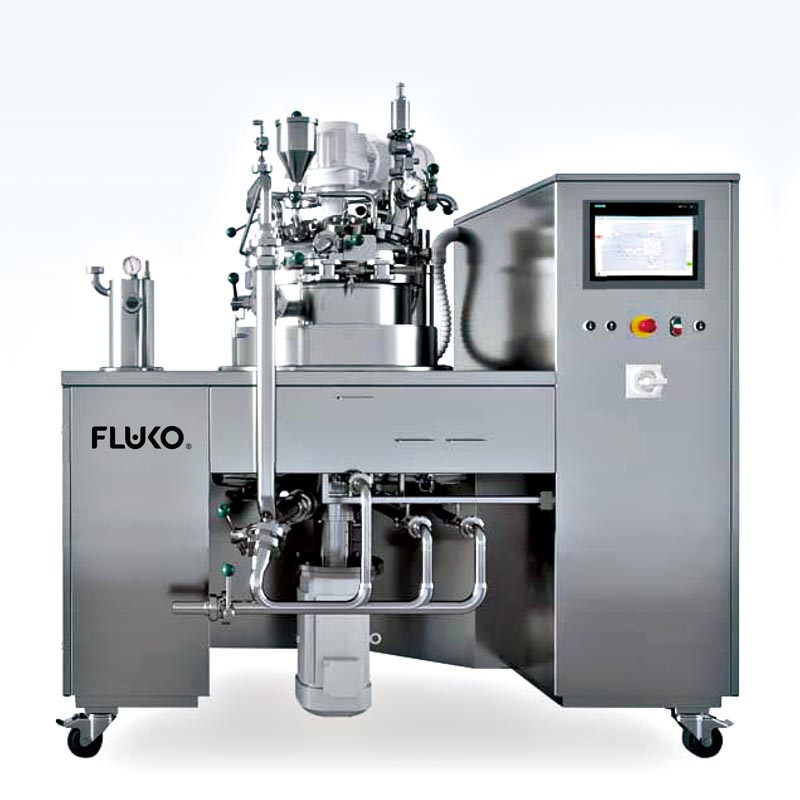
Look for real specs, not flash. Rotor–stator geometry and clearance control droplet size tightness. Variable speed and torque handling let you map shear for viscous slurries and delicate emulsions. Seal design and cleanability dictate uptime and compliance. Materials of construction matter for abrasion and corrosion; stainless grades and surface finish affect product purity. Controls that log RPM, time, and torque give repeatability — no mystic hand-tuning needed.
Where It Fits — Applications That Need Real Shear
Pharma suspensions, cosmetic creams, food emulsions, and industrial coatings: they all demand controlled shear and fast dispersion. If your batch needs uniform particle size, quick wetting of powders, or to avoid air entrainment, that’s where these machines shine. Small R&D runs, pilot scaling and full production can use the same machine family if you pick one with proper scalability and modular heads.
How to Choose — Practical Selection Criteria
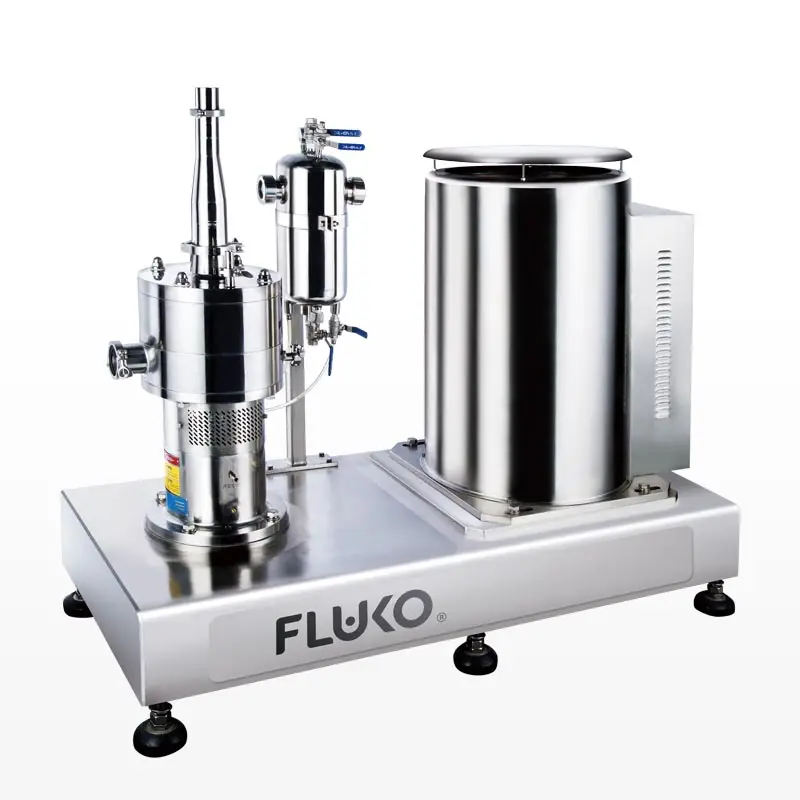
First, match capacity to duty cycle — don’t oversize and lose shear intensity. Second, confirm the machine handles your highest viscosity without overheating. Third, check interchangeability of stators/rotors for process flexibility. Fourth, verify clean-in-place options and maintenance access; downtime kills margins. Finally, ask for validated performance curves: droplet distribution vs. RPM and energy input — those curves tell you if the equipment will hit your spec before you buy.
Real-world cred and a single anchor
Been in pilot suites where line trials flop until someone swapped in a proper batch homogenizer; big players in Basel, Switzerland’s pharma cluster routinely specify machines that log shear and torque to meet tight regulatory batches. The proof shows up in acceptance reports and case studies from regulators and industry meetings — those records back the tech. If you’re auditing supplier claims, compare pressure, torque, and particle-size data, not buzzwords: check an actual batch homogenizer spec sheet against your product needs.
Common Pitfalls and Moves That Fix ‘Em
People botch runs by chasing top speed instead of correct shear profile; higher RPM alone can overheat or shear-sensitive APIs. Another rookie move: ignoring scale factors — shear per unit volume changes with batch size. Maintenance neglect is stealthy too — worn rotors = wider tolerances = poor dispersions. Fixes: map shear-energy vs. particle size at bench scale, use staggered stator options for scale-up, run preventive checks on seals and bearings, and log every run parameter for traceability.
Final take — straight talk
If your batches gotta hit tight specs, stop accepting “close enough.” Pick machines with measurable performance, easy sanitation, and parts that swap for process flexibility. That real engineering shows when uptime’s high and QC passes without firefighting — a practical edge teams get when they standardize on vendors built for tough jobs like the ones handled by FLUKO.
