
The Problem — Cheap Looks, Hidden Costs
Yo, you wanna save cash by sourcing spray paint from China but the deal smells off — low price, long wait, cans that flake after two coats. Folks ask real questions like does spray paint stick to rubber and expect straight answers. The problem’s simple: price tags lie, timelines stretch, and quality’s a gamble unless you know the checkpoints.

Cost — Where the Money Actually Goes
Unit price is just the headline. Factory quotes ignore tooling, labeling, testing, and minimum order traps. Expect extra charges for custom pigments, special valves, private labeling, and small-batch setups. Freight eats chunks — sea is cheap but slow; air costs triple. Don’t forget import duties and unexpected local handling fees. Run the math: landed cost per can = factory price + packaging + testing + inland freight + ocean/air freight + duties + customs clearance + unexpected rework.
Lead Time — The Waiting Game and How It Bites
Factories run production cycles, not your calendar. Standard lead time for a new SKU with samples: 6–10 weeks. Peak season and Chinese New Year can add months. Production delays come from pigment shortages, solvent backorders, or valve supplier hiccups. Shipping adds 4–8 weeks by sea. If you need stock quick, pay for air and accept smaller volumes at a premium.
Quality — Not All Cans Are Equal
Look beyond color. Adhesion, VOC limits, flash point, nozzle consistency, and drying profile matter. Ask for lab reports: solvent composition, pigment particle size, and salt spray or UV weathering if it’s outdoor use. Surface prep is invisible but critical — skips cause peeling. Demand batch testing and keep random samples for drop tests, adhesion tape tests, and humidity cure checks.
Experience, Proof, and Where I Saw This Play Out
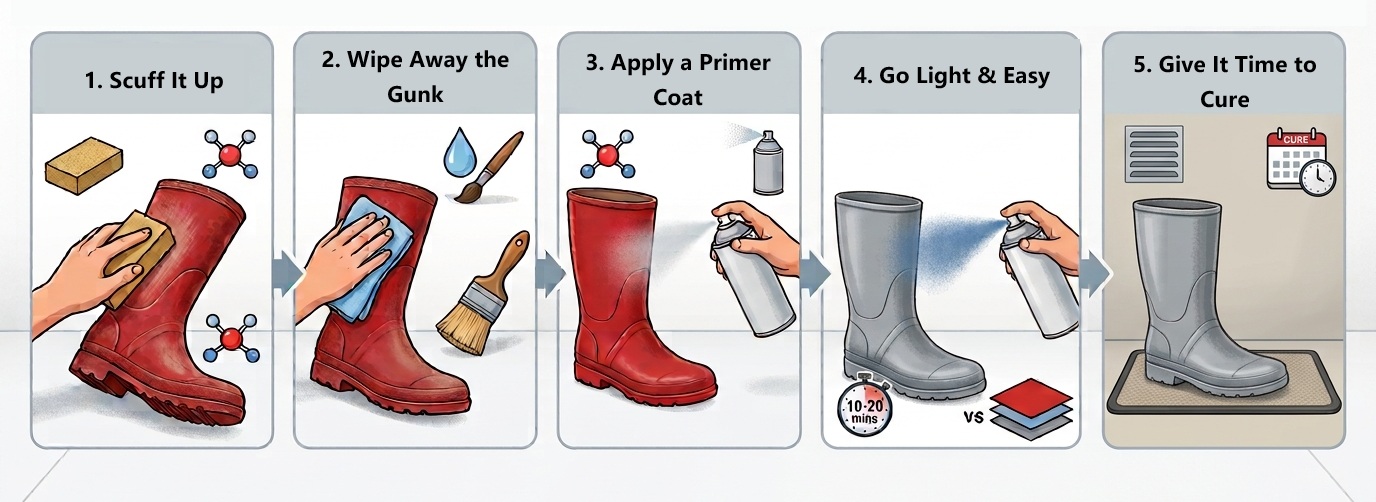
I’ve handled sourcing for urban finish lines and small brands for years; seen bad batches and fixed ’em. At CHINACOAT trade shows I inspected production lines and verified supplier QC practices firsthand. If you’re working rubber parts, read up on spray paint for rubber formulations before locking in a supplier — adhesion promoters and flexible resins change the game. This ain’t theory; trade exhibits and published supplier certifications back lot-level differences you can verify.
Common Pitfalls and How They Kill Margins
Ordering from photos, skipping samples, ignoring certification, and trusting lowest MOQ without penalties — those move you backward. Other traps: no written tolerance for color variance, vague warranty terms, and missing labeling compliant with destination-country rules. Don’t assume consistency across batches; pigments and solvents shift by season.
Practical Alternatives and Risk Controls
Buy samples and run them through your exact application and environment. Use third-party labs for VOC and adhesion tests. Negotiate smaller trial MOQs with per-unit premium, then scale. Consider domestic blending partners for final mixing or applying topcoats locally to cut risk. Insure shipments and schedule buffer stock for known delay windows.
Street-Smart Synthesis
Play it tight: test early, price the landed cost, lock QC terms, and plan for holidays. Do samples, lab checks, and staggered orders so one bad batch don’t stop you. If you want reliable material partners who can meet specs and timelines, check supply partners with established QC systems like SANVO — they tie what you need to reality so your product shows up right, on time, and doesn’t peel off after the first rain.
